EN
EN



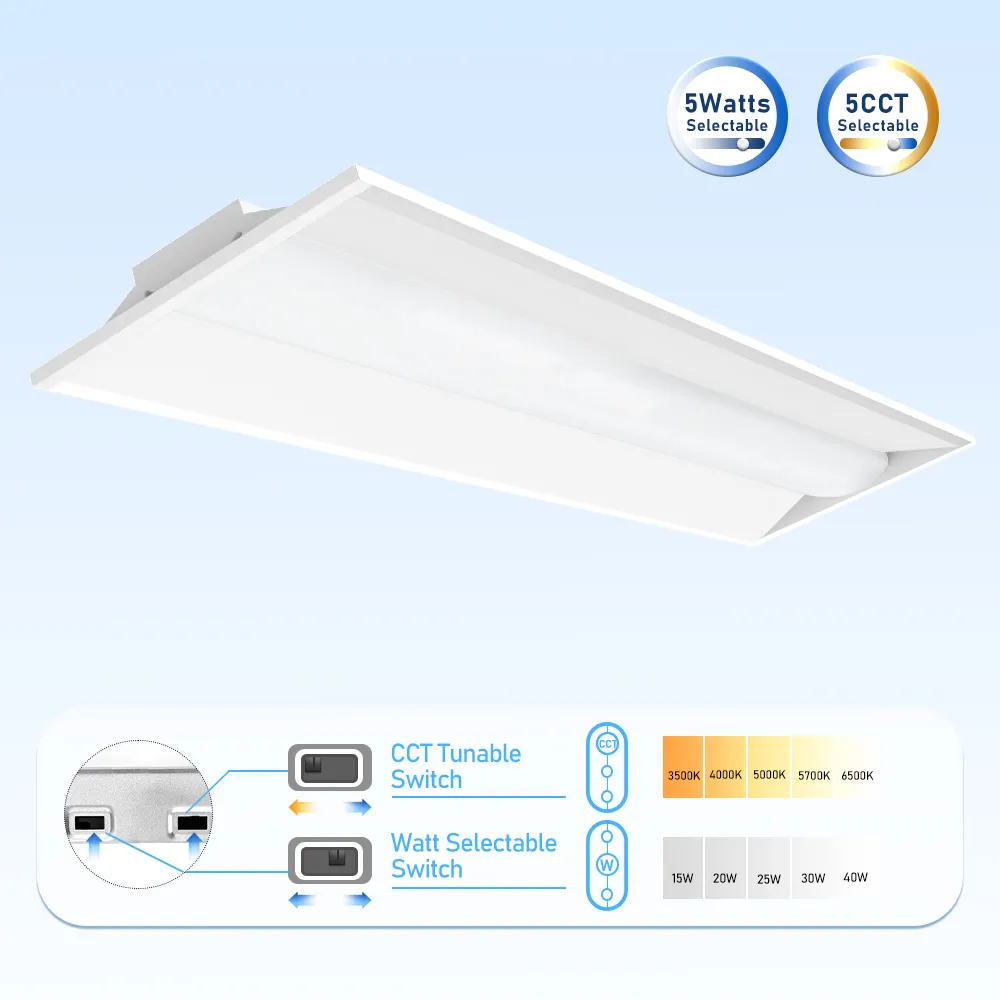
Modern lighting solutions have transformed how we illuminate commercial and residential spaces, with LED technology leading this revolutionary change. An led flat panel light represents one of the most innovative and energy-efficient lighting options available today. These sleek, contemporary fixtures combine advanced LED technology with sophisticated optical design to deliver uniform, high-quality illumination across various applications. Unlike traditional fluorescent panels or bulky fixtures, led flat panel light systems offer superior performance, longevity, and aesthetic appeal that make them increasingly popular in offices, schools, hospitals, and residential settings.
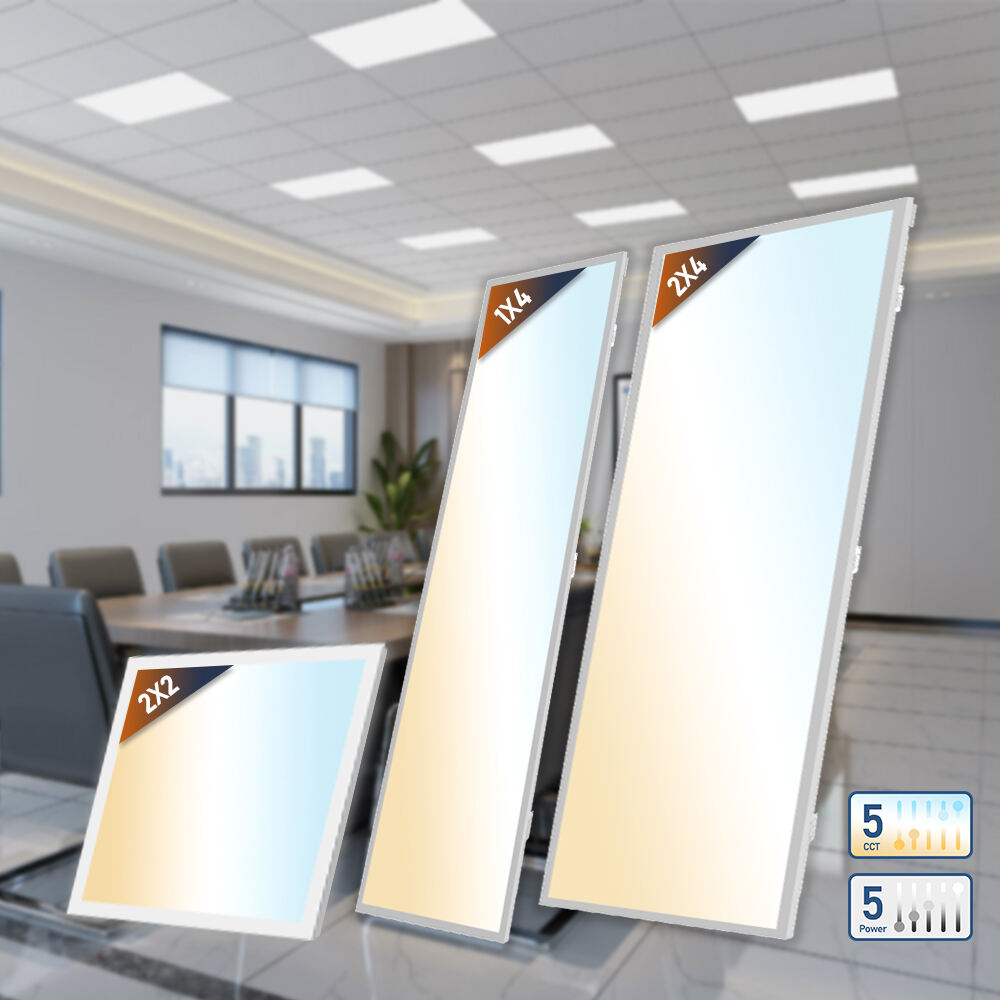
The evolution from traditional lighting to LED technology has created numerous opportunities for improved illumination design. LED flat panel light fixtures utilize cutting-edge semiconductor technology to convert electrical energy directly into light, eliminating the inefficiencies associated with incandescent or fluorescent alternatives. This fundamental difference in operation allows led flat panel light systems to achieve remarkable energy savings while providing consistent, flicker-free illumination that enhances comfort and productivity in any environment.
Understanding LED Flat Panel Light Technology
Core Components and Construction
Every led flat panel light consists of several essential components working together to create optimal lighting performance. The light-emitting diodes form the heart of the system, typically arranged in a strategic pattern across the panel surface. These LEDs are mounted on a printed circuit board that manages electrical distribution and thermal management. A sophisticated driver circuit regulates power supply, ensuring stable operation and protecting the LEDs from voltage fluctuations that could reduce lifespan or performance.
The optical components of an led flat panel light include a light guide plate, diffusion films, and reflective materials that work collectively to achieve uniform light distribution. The light guide plate, usually made from high-quality acrylic or polycarbonate, captures light from edge-mounted LEDs and distributes it evenly across the entire panel surface. Multiple diffusion layers eliminate hot spots and create the smooth, even illumination characteristic of professional-grade led flat panel light fixtures.
Advanced Optical Design Principles
The remarkable uniformity achieved by led flat panel light systems results from sophisticated optical engineering principles. Edge-lit designs position LEDs along the perimeter of the light guide plate, allowing the panel to maintain an ultra-thin profile while achieving excellent light distribution. The light guide plate features precisely engineered micro-structures that gradually extract light as it travels from the LED sources, ensuring consistent brightness across the entire surface area.
Alternative led flat panel light designs utilize direct-lit configurations where LEDs are positioned directly behind the diffusion panel. This approach typically provides higher light output and can be more cost-effective for certain applications. However, achieving uniform illumination with direct-lit led flat panel light systems requires careful LED spacing and multiple diffusion layers to prevent visible patterns or brightness variations.
Operating Principles and Electronic Systems
LED Driver Technology
The LED driver serves as the critical control system for every led flat panel light, converting alternating current from the electrical supply into the direct current required by LED components. Modern drivers incorporate sophisticated circuitry that maintains consistent current flow regardless of voltage fluctuations, temperature changes, or aging effects in the LED array. This precise control ensures optimal performance throughout the led flat panel light operational lifetime while protecting against electrical surges or power quality issues.
Advanced led flat panel light systems feature programmable drivers that enable dimming capabilities, color temperature adjustment, and integration with smart building control systems. These intelligent drivers can respond to daylight sensors, occupancy detectors, or centralized building management systems to optimize energy consumption while maintaining desired illumination levels. The driver efficiency directly impacts overall led flat panel light performance, with high-quality units achieving power conversion efficiencies exceeding ninety percent.
Thermal Management Systems
Effective thermal management represents a crucial aspect of led flat panel light design, as LED performance and longevity depend heavily on operating temperature control. The aluminum housing of most led flat panel light fixtures serves dual purposes as both structural support and heat dissipation medium. Carefully designed thermal pathways conduct heat away from LED junction points to the panel frame, where it can be dissipated into the surrounding environment.
Sophisticated led flat panel light designs incorporate additional thermal management features such as thermal interface materials, heat sinks, or even active cooling systems for high-power applications. Temperature monitoring circuits can adjust LED current or activate protective shutdown procedures if thermal limits are exceeded. This comprehensive approach to thermal management enables led flat panel light systems to achieve rated lifespans of fifty thousand hours or more while maintaining consistent light output and color quality.
Installation Methods and Applications
Recessed Ceiling Integration
Recessed installation represents the most common application method for led flat panel light fixtures in commercial and residential environments. The slim profile of led flat panel light systems allows seamless integration into standard drop ceiling grids, creating a clean, professional appearance that complements modern architectural designs. Proper installation requires careful attention to ceiling structure, electrical connections, and thermal considerations to ensure optimal performance and safety.
When installing led flat panel light fixtures in recessed applications, electrical connections must be made according to local codes and manufacturer specifications. The driver unit location affects both accessibility for maintenance and thermal performance, with some led flat panel light designs featuring remote drivers for improved serviceability. Proper support mechanisms prevent panel sagging or movement while maintaining easy access for cleaning or replacement when necessary.
Surface Mount and Suspended Options
Surface mounting provides flexibility for led flat panel light installation in locations where recessed mounting is impractical or impossible. Surface mount kits allow led flat panel light fixtures to be mounted directly to ceilings or walls, creating distinctive architectural lighting effects while maintaining the benefits of LED technology. These installations require appropriate support structures and careful attention to heat dissipation to prevent performance degradation.
Suspended installation methods enable led flat panel light fixtures to serve as architectural features while providing task or ambient lighting. Cable suspension systems, rigid mounting arms, or decorative chains can support led flat panel light fixtures at various heights to create dramatic lighting effects or accommodate specific illumination requirements. These installations often require custom driver placement and careful consideration of electrical code requirements for suspended lighting fixtures.
Performance Characteristics and Benefits
Energy Efficiency and Environmental Impact
The exceptional energy efficiency of led flat panel light systems delivers substantial operational cost savings compared to traditional fluorescent or incandescent alternatives. Most led flat panel light fixtures achieve luminous efficacies exceeding one hundred lumens per watt, representing significant improvements over conventional technologies. This efficiency advantage translates directly into reduced electrical consumption, lower utility costs, and decreased environmental impact from power generation.
Beyond energy savings, led flat panel light technology eliminates mercury and other hazardous materials found in fluorescent lamps, simplifying disposal and reducing environmental concerns. The extended operational life of led flat panel light systems reduces replacement frequency and associated maintenance costs while decreasing waste generation. Many led flat panel light products qualify for utility rebates or energy efficiency incentives that further enhance their economic attractiveness.
Light Quality and Visual Comfort
Superior light quality represents a key advantage of modern led flat panel light systems over traditional alternatives. High-quality led flat panel light fixtures achieve color rendering index values exceeding eighty percent, ensuring accurate color perception for detailed tasks or merchandise display. The absence of flicker in properly designed led flat panel light systems reduces eye strain and creates more comfortable working environments.
The uniform light distribution characteristic of led flat panel light fixtures eliminates harsh shadows and brightness variations that can cause visual discomfort or reduced productivity. Many led flat panel light products offer selectable color temperatures, allowing users to optimize lighting conditions for specific applications or personal preferences. This flexibility enables led flat panel light installations to support circadian lighting strategies that promote wellness and alertness.
Maintenance and Longevity Considerations
Operational Lifespan and Reliability
The exceptional operational lifespan of led flat panel light systems provides significant advantages in maintenance planning and lifecycle cost analysis. Quality led flat panel light fixtures typically maintain seventy percent or more of initial light output after fifty thousand hours of operation, representing years of service in most applications. This longevity reduces replacement frequency and associated labor costs while ensuring consistent illumination performance throughout the service life.
Reliability factors affecting led flat panel light performance include component quality, thermal design, and electrical protection systems. Premium led flat panel light products undergo extensive testing to verify performance under various environmental conditions, electrical disturbances, and mechanical stresses. Understanding these reliability characteristics helps facility managers plan maintenance schedules and budget for eventual replacement needs.
Cleaning and Care Procedures
Proper maintenance procedures help ensure optimal performance and appearance of led flat panel light installations throughout their operational life. Regular cleaning of the panel surface removes dust, dirt, and other contaminants that can reduce light output or create visual artifacts. Most led flat panel light fixtures feature smooth surfaces that simplify cleaning procedures and resist accumulation of airborne particles.
Maintenance considerations for led flat panel light systems include driver inspection, electrical connection verification, and thermal performance monitoring. While led flat panel light technology requires minimal maintenance compared to traditional alternatives, periodic inspection helps identify potential issues before they affect performance or safety. Professional maintenance programs can extend led flat panel light operational life while ensuring continued compliance with safety standards and performance specifications.
FAQ
How long do LED flat panel lights typically last
Most quality LED flat panel lights are designed to operate for 50,000 to 100,000 hours, which translates to approximately 20-40 years of normal use in typical commercial applications. The actual lifespan depends on operating conditions, quality of components, and thermal management. Unlike traditional fluorescent panels that fail suddenly, LED flat panel lights gradually decrease in brightness over time, typically maintaining 70% of original output at the end of their rated life.
Can LED flat panel lights be dimmed
Many LED flat panel lights are available with dimming capabilities, but this depends on the specific driver and control system used. Dimmable LED flat panel lights require compatible drivers and dimming controls to function properly. Some models support 0-10V dimming, TRIAC dimming, or wireless control systems. It's essential to verify dimming compatibility before installation to ensure proper operation and avoid potential flickering or performance issues.
What color temperatures are available for LED flat panel lights
LED flat panel lights are commonly available in various color temperatures ranging from warm white (2700K-3000K) to cool white (5000K-6500K). Many commercial applications utilize 4000K or 5000K for optimal visibility and comfort. Some advanced LED flat panel light systems offer tunable white technology, allowing users to adjust color temperature throughout the day to support circadian lighting strategies or specific task requirements.
Are LED flat panel lights suitable for all ceiling types
LED flat panel lights can be adapted for various ceiling types through different mounting methods. Recessed installation works well with drop ceilings and provides the cleanest appearance. Surface mounting allows installation on solid ceilings where recessed mounting isn't possible. Suspended mounting creates architectural interest while providing flexible positioning. Each installation method requires appropriate mounting hardware and consideration of structural support, electrical access, and thermal management requirements.