EN
EN



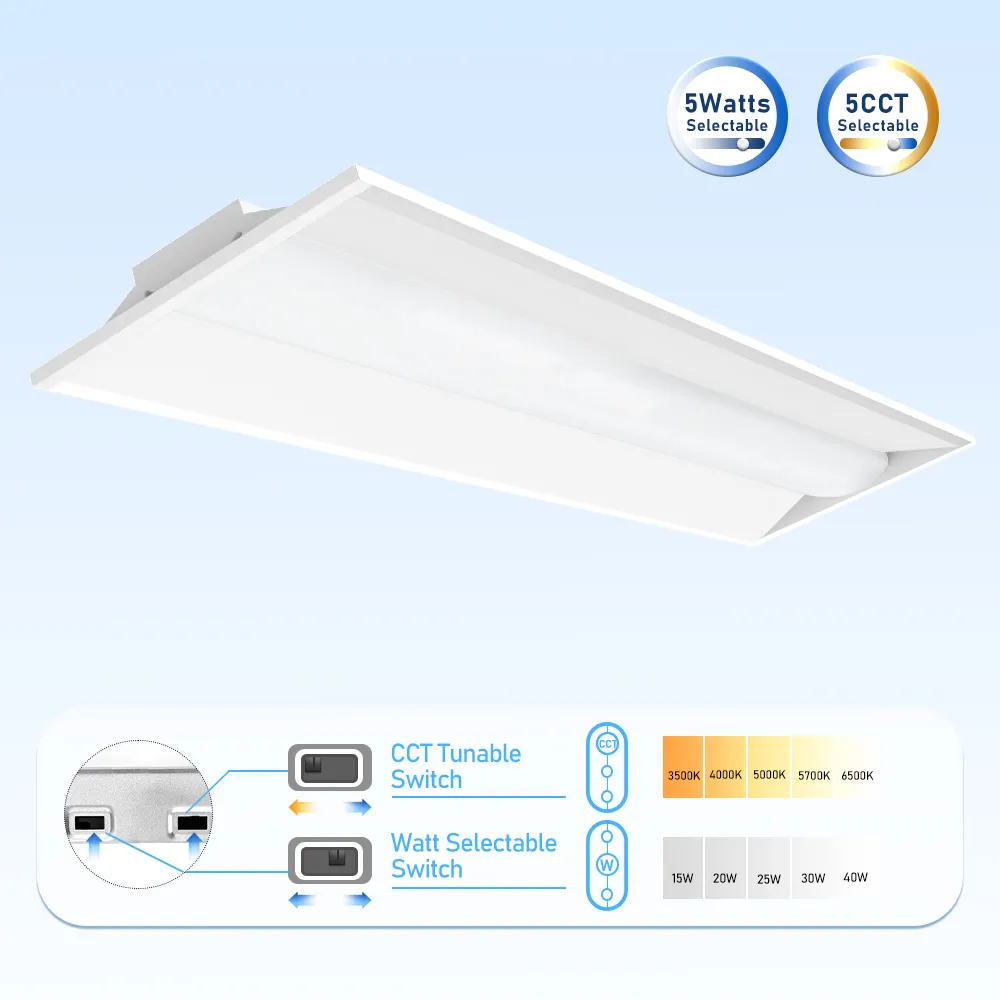
The lighting industry has undergone a revolutionary transformation over the past decade, with LED technology emerging as the dominant force in commercial and residential applications. Among the most innovative developments in this space is the led flat panel light, which has fundamentally changed how we approach interior illumination. These sleek, ultra-thin fixtures offer unprecedented versatility and performance compared to traditional lighting solutions, making them increasingly popular across offices, retail spaces, healthcare facilities, and modern homes.
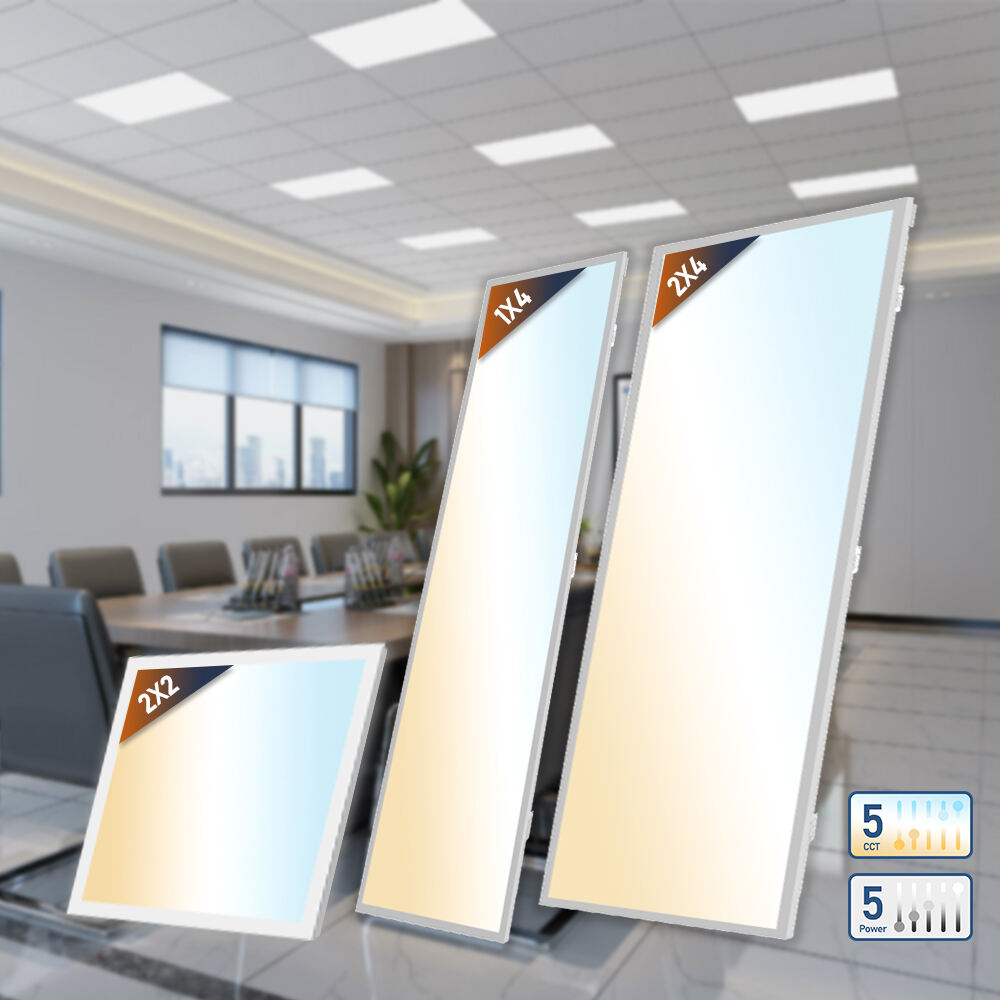
Traditional lighting systems, including fluorescent tubes, incandescent bulbs, and halogen fixtures, have served various applications for decades. However, these conventional solutions face significant challenges in today's energy-conscious environment. The led flat panel light represents a paradigm shift that addresses many limitations of older lighting technologies while introducing advanced features that were previously impossible to achieve. Understanding the fundamental differences between these lighting approaches is crucial for making informed decisions about modern illumination projects.
Energy Efficiency and Operating Costs
Power Consumption Comparison
The most significant advantage of led flat panel light technology lies in its exceptional energy efficiency. Traditional fluorescent fixtures typically consume between 32 to 40 watts for a standard 2x4 foot panel, while equivalent LED panels operate at just 20 to 50 watts depending on their output specifications. This dramatic reduction in power consumption translates to substantial cost savings over the fixture's operational lifetime. The efficiency gains become even more pronounced when comparing LED panels to older incandescent or halogen alternatives, which can consume three to five times more electricity for similar light output.
Long-Term Financial Benefits
Beyond immediate energy savings, the led flat panel light offers compelling long-term financial advantages. Traditional lighting systems require frequent bulb replacements, maintenance calls, and associated labor costs. LED panels typically last 50,000 to 100,000 hours compared to 8,000 to 15,000 hours for fluorescent tubes. This extended lifespan reduces maintenance expenses, minimizes business disruptions, and decreases waste disposal costs. The total cost of ownership for LED flat panel installations often proves significantly lower than traditional alternatives within two to three years of operation.
Light Quality and Performance Characteristics
Color Rendering and Temperature Options
Modern led flat panel light fixtures provide superior color rendering capabilities compared to traditional fluorescent lighting. LED panels typically achieve Color Rendering Index (CRI) values above 80, with premium models reaching CRI 90 or higher. This enhanced color accuracy creates more natural and vibrant environments, particularly important in retail displays, healthcare settings, and professional workspaces. Traditional fluorescent lights often struggle with color consistency and may create unflattering or distorted color representations that affect productivity and visual comfort.
Dimming Capabilities and Control Features
The led flat panel light excels in providing precise dimming control and advanced lighting management features. Most LED panels integrate seamlessly with modern dimming systems, offering smooth adjustment from 0 to 100 percent brightness without flicker or color temperature shifts. Traditional fluorescent fixtures require special ballasts for dimming functionality and often experience performance issues at lower light levels. LED panels also support smart building integration, allowing for automated scheduling, occupancy sensing, and daylight harvesting capabilities that optimize energy usage throughout the day.
Installation and Structural Considerations
Physical Dimensions and Weight
The streamlined design of led flat panel light fixtures offers significant installation advantages over traditional lighting systems. LED panels typically measure less than 1 inch in thickness and weigh considerably less than equivalent fluorescent troffers with their associated ballasts and housings. This reduced weight simplifies ceiling support requirements and allows for installation in locations where traditional fixtures might prove too heavy or bulky. The slim profile also enables integration into tight spaces and modern architectural designs that prioritize clean, minimalist aesthetics.
Retrofit and New Construction Applications
Installing led flat panel light fixtures proves more versatile than traditional lighting solutions in both retrofit and new construction scenarios. LED panels can often replace existing fluorescent troffers using the same ceiling grid systems, reducing installation complexity and costs. The absence of ballasts eliminates potential electromagnetic interference issues and simplifies electrical connections. New construction projects benefit from the design flexibility that LED panels provide, allowing architects and designers to create innovative lighting layouts that were previously impractical with traditional fixtures.
Environmental Impact and Sustainability
Carbon Footprint Reduction
The environmental advantages of led flat panel light technology extend far beyond energy savings. The reduced power consumption directly translates to lower carbon emissions from power generation, particularly important as businesses and institutions strive to meet sustainability goals. LED panels contain no mercury or other hazardous materials commonly found in fluorescent tubes, eliminating disposal concerns and reducing environmental contamination risks. The extended lifespan of LED technology also minimizes manufacturing resources and packaging waste associated with frequent replacements.
Recyclability and End-of-Life Management
Modern led flat panel light fixtures incorporate recyclable materials and components that support circular economy principles. Unlike fluorescent tubes that require specialized disposal procedures due to mercury content, LED panels can be processed through standard electronic waste recycling programs. The solid-state construction of LED technology eliminates fragile glass components that create safety hazards and disposal challenges. This improved end-of-life management makes LED panels more attractive to environmentally conscious organizations and facilities seeking LEED certification or other green building credentials.
Performance in Different Applications
Commercial Office Environments
In commercial office settings, the led flat panel light provides superior performance compared to traditional fluorescent fixtures. The even light distribution eliminates hot spots and shadows that can cause eye strain and reduce productivity. LED panels operate silently without the buzzing or humming sounds associated with fluorescent ballasts, creating more comfortable work environments. The instant-on capability of LED technology ensures immediate full brightness without the warm-up delays common with fluorescent systems, particularly important in areas with motion sensor controls.
Healthcare and Educational Facilities
Healthcare facilities benefit significantly from led flat panel light installations due to their superior color rendering and flicker-free operation. These characteristics prove crucial for accurate medical procedures and reduce patient discomfort in sensitive care environments. Educational institutions appreciate the consistent light output and reduced maintenance requirements that minimize classroom disruptions. The led flat panel light also supports circadian lighting programs that can improve student alertness and learning outcomes by adjusting color temperature throughout the day to match natural light patterns.
Technological Advancements and Future Considerations
Smart Integration Capabilities
The digital nature of led flat panel light technology enables integration with Internet of Things (IoT) systems and smart building platforms. These fixtures can communicate operational status, energy consumption data, and maintenance needs through wireless networks, enabling predictive maintenance and optimization strategies. Traditional lighting systems lack these intelligent capabilities, making them obsolete in modern facility management approaches. The connectivity features of LED panels support advanced controls such as daylight harvesting, occupancy-based dimming, and centralized monitoring systems.
Emerging Features and Innovations
Current developments in led flat panel light technology include tunable white capabilities that adjust color temperature automatically based on time of day or user preferences. Some panels now incorporate air purification features using photocatalytic oxidation or UV-C sterilization capabilities, addressing indoor air quality concerns. Human-centric lighting applications utilize LED panels to support natural circadian rhythms and improve occupant well-being. These advanced features represent capabilities that traditional lighting technologies cannot match, highlighting the ongoing evolution of LED solutions.
Cost Analysis and Return on Investment
Initial Investment Considerations
While the upfront cost of led flat panel light fixtures typically exceeds traditional fluorescent alternatives, the price gap has narrowed significantly as LED technology matures. The initial investment must be evaluated against total cost of ownership, including energy savings, maintenance reduction, and improved performance benefits. Most commercial installations achieve positive return on investment within 18 to 36 months, depending on local electricity rates and usage patterns. Utility rebates and energy efficiency incentives often offset a substantial portion of initial costs, further improving project economics.
Financing and Payback Strategies
Many organizations leverage energy service company (ESCO) financing or power purchase agreements to implement led flat panel light upgrades without significant upfront capital requirements. These arrangements use guaranteed energy savings to fund the installation costs, making LED conversions accessible to businesses with limited capital budgets. The predictable performance characteristics of LED technology support accurate payback calculations and reduce financial risks associated with lighting upgrades. Lease-to-own programs also provide flexible financing options for organizations seeking to modernize their lighting infrastructure.
FAQ
How long do LED flat panel lights typically last compared to fluorescent fixtures
LED flat panel lights generally last 50,000 to 100,000 hours, which translates to 10-20 years of typical commercial use. This lifespan significantly exceeds fluorescent tubes that typically last 8,000 to 15,000 hours or approximately 2-3 years. The extended lifespan of led flat panel light technology reduces replacement frequency, maintenance costs, and business disruptions associated with lighting failures.
Can LED flat panels be dimmed like traditional incandescent bulbs
Yes, most led flat panel light fixtures support smooth dimming from 0 to 100 percent brightness without flickering or color temperature shifts. Unlike traditional fluorescent fixtures that require special ballasts for dimming capability, LED panels integrate directly with standard dimming controls and building automation systems. This dimming flexibility enables energy optimization and creates customizable lighting environments for different activities and preferences.
Do LED flat panels work with existing ceiling grid systems
Most led flat panel light fixtures are designed to fit standard ceiling grid systems used for fluorescent troffers, making retrofit installations straightforward and cost-effective. The slim profile and lightweight construction of LED panels typically require no structural modifications to existing ceiling systems. However, electrical connections may need updates to bypass fluorescent ballasts and ensure proper LED driver operation.
What maintenance requirements do LED flat panels have compared to traditional lighting
LED flat panel light fixtures require minimal maintenance compared to traditional lighting systems. There are no bulbs to replace regularly, no ballasts to service, and no glass tubes that can break. Routine maintenance typically involves occasional cleaning of the panel surface to maintain optimal light output. The solid-state construction of led flat panel light technology eliminates most mechanical failure points found in traditional fixtures, resulting in significantly reduced maintenance costs and improved reliability.
Table of Contents
- Energy Efficiency and Operating Costs
- Light Quality and Performance Characteristics
- Installation and Structural Considerations
- Environmental Impact and Sustainability
- Performance in Different Applications
- Technological Advancements and Future Considerations
- Cost Analysis and Return on Investment
- FAQ