EN
EN



Selecting the right indoor LED lights for large commercial projects requires careful consideration of multiple factors that directly impact energy efficiency, operational costs, and workplace productivity. Commercial facility managers and procurement professionals face the challenge of balancing upfront investment with long-term operational savings while ensuring compliance with industry standards and regulations. The decision-making process becomes even more complex when dealing with expansive spaces such as warehouses, office complexes, retail centers, and manufacturing facilities where lighting quality can significantly influence employee performance and customer experience.
Understanding Commercial LED Lighting Requirements
Power and Luminous Output Specifications
Commercial spaces demand significantly higher lumen output compared to residential applications, with most large facilities requiring between 30 to 50 foot-candles of illumination depending on the specific use case. When evaluating indoor LED lights, buyers should focus on efficacy ratings measured in lumens per watt, as higher efficacy translates to reduced energy consumption and lower operational costs. Modern commercial LED fixtures typically deliver between 100 to 150 lumens per watt, representing a substantial improvement over traditional fluorescent systems.
The total wattage requirements for large commercial projects can range from several kilowatts to hundreds of kilowatts, making energy efficiency a critical factor in the selection process. Buyers should calculate the total connected load and projected annual energy consumption to accurately assess the return on investment. Additionally, understanding the relationship between color temperature and application requirements ensures optimal lighting performance for specific commercial environments.
Regulatory Compliance and Industry Standards
Commercial lighting installations must comply with various building codes, safety standards, and energy efficiency regulations that vary by jurisdiction and building type. The International Building Code and local electrical codes establish minimum lighting levels for different commercial applications, while energy codes such as ASHRAE 90.1 set maximum power density allowances. Buyers should verify that their selected indoor LED lights meet or exceed these requirements to avoid compliance issues during inspections.
Industry-specific standards may also apply, particularly in healthcare facilities, educational institutions, and manufacturing environments where specialized lighting requirements exist. DLC qualification and Energy Star certification provide additional assurance of product quality and performance, often qualifying commercial buyers for utility rebates and incentive programs that can significantly offset initial equipment costs.
Technical Performance Criteria
Color Rendering and Temperature Considerations
Color rendering index values above 80 are generally considered acceptable for most commercial applications, though specific environments may require higher CRI ratings for optimal visual comfort and task performance. Retail environments often benefit from CRI values above 90 to accurately display merchandise colors, while office spaces typically perform well with CRI ratings between 80 and 85. The selection of appropriate color temperature ranges from 3000K to 5000K depending on the desired ambiance and functional requirements of the space.
Tunable white technology has emerged as a valuable feature for commercial installations, allowing facility managers to adjust color temperature throughout the day to support circadian rhythm regulation and optimize employee productivity. This technology proves particularly beneficial in healthcare facilities, educational institutions, and office environments where occupant well-being directly impacts operational outcomes.
Dimming Capabilities and Control Integration
Advanced dimming capabilities enable significant energy savings and provide flexibility for different operational scenarios within commercial spaces. Modern indoor LED lights should offer smooth dimming performance across a wide range, typically from 10% to 100% output, without flickering or color shift issues. The compatibility with various dimming protocols such as 0-10V, DALI, or wireless control systems allows for seamless integration with building management systems.
Occupancy sensing and daylight harvesting capabilities further enhance energy efficiency by automatically adjusting light output based on space utilization and available natural light. These intelligent control features can reduce energy consumption by 20% to 40% in typical commercial applications while maintaining appropriate illumination levels for safety and productivity.
Installation and Maintenance Factors
Mounting Options and Structural Requirements
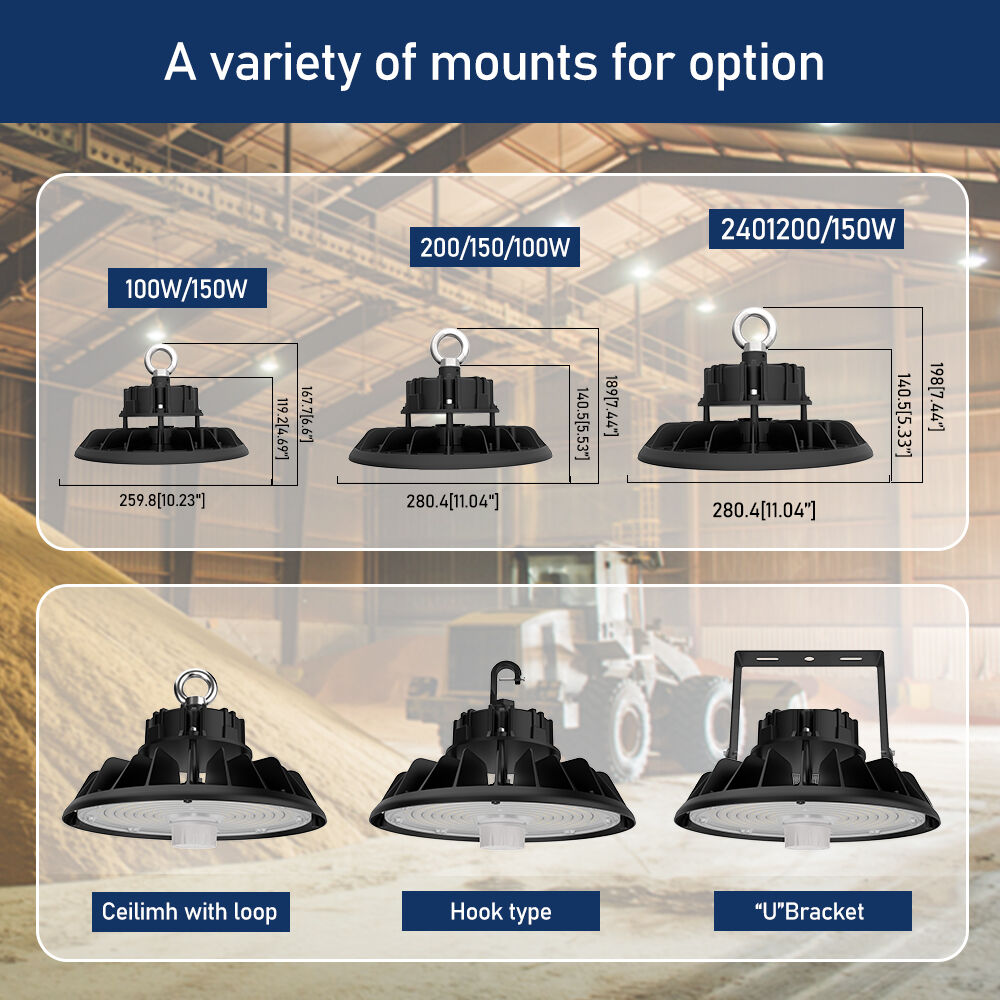
Large commercial projects require careful consideration of mounting methods and structural support requirements, particularly in high-ceiling applications or spaces with unique architectural features. Suspended mounting systems, surface mounting, and recessed installations each present different advantages and challenges that must be evaluated against the specific project requirements. The weight and dimensions of LED fixtures impact structural load calculations and may require coordination with structural engineers.
Modular fixture designs provide flexibility for future reconfiguration and maintenance access, while integrated emergency backup systems eliminate the need for separate emergency lighting fixtures. The availability of compatible accessories such as occupancy sensors, photocells, and wireless controls should be verified during the selection process to ensure comprehensive system integration.
Lifespan and Warranty Considerations
Commercial-grade indoor LED lights should offer operational lifespans of 50,000 to 100,000 hours under normal operating conditions, significantly reducing maintenance frequency and associated labor costs compared to traditional lighting technologies. The L70 rating indicates the number of operating hours until the fixture produces 70% of its initial lumen output, providing a standardized basis for lifespan comparison between different products and manufacturers.
Comprehensive warranty coverage should include both product defects and performance guarantees, with many commercial LED manufacturers offering five to ten-year warranties on their fixtures. Extended warranty options may be available for large projects, providing additional protection against premature failure and ensuring predictable maintenance costs throughout the fixture lifecycle.
Cost Analysis and Return on Investment
Initial Investment vs. Operational Savings
The higher initial cost of LED lighting systems compared to traditional technologies is typically offset by substantial energy savings and reduced maintenance requirements over the fixture lifetime. Commercial buyers should conduct comprehensive lifecycle cost analysis that includes equipment costs, installation expenses, energy consumption, maintenance requirements, and potential utility incentives. The payback period for commercial LED installations typically ranges from two to five years depending on existing lighting conditions and utility rates.
Energy savings of 50% to 70% compared to fluorescent systems are commonly achieved with modern indoor LED lights, resulting in significant operational cost reductions for large commercial facilities. Additional savings from reduced HVAC loads due to lower heat generation and decreased maintenance requirements further improve the overall return on investment calculation.
Utility Incentives and Rebate Programs
Many utility companies and government agencies offer substantial rebates and incentive programs for commercial LED lighting installations that meet specific efficiency and performance criteria. These programs can reduce the effective cost of LED fixtures by 20% to 50%, significantly improving project economics and shortening payback periods. Buyers should research available programs early in the project planning process and ensure selected fixtures qualify for maximum incentive levels.
Some utility programs also provide technical assistance and energy auditing services to help commercial customers optimize their lighting designs and maximize energy savings. Working with qualified lighting contractors who understand local incentive programs can streamline the application process and ensure compliance with program requirements.
Environmental and Sustainability Considerations
Energy Efficiency Impact
The environmental benefits of LED lighting extend beyond energy consumption reduction to include decreased carbon emissions and reduced demand on electrical grid infrastructure. Commercial facilities that implement comprehensive LED lighting upgrades can reduce their lighting-related energy consumption by 60% to 80%, contributing significantly to corporate sustainability goals and environmental responsibility initiatives.
The longer operational lifespan of indoor LED lights reduces the frequency of fixture replacement and associated waste generation, while the absence of hazardous materials such as mercury eliminates special disposal requirements. Many LED fixtures are also designed with recyclable components, supporting circular economy principles and reducing end-of-life environmental impact.
LEED and Green Building Certification
Leadership in Energy and Environmental Design certification programs award points for energy-efficient lighting installations that meet specific performance criteria. Commercial LED lighting systems can contribute to multiple LEED credit categories, including energy performance, indoor environmental quality, and materials selection. The integration of advanced control systems and occupancy sensing further enhances the sustainability profile of commercial lighting installations.
Green building certification requirements continue to evolve toward more stringent energy performance standards, making high-efficiency LED lighting systems essential components of sustainable commercial building design. The documentation and commissioning requirements associated with green building certifications also ensure proper system installation and performance verification.
FAQ
What is the typical lifespan of commercial indoor LED lights compared to traditional lighting
Commercial indoor LED lights typically last 50,000 to 100,000 hours, which is approximately 5 to 10 times longer than traditional fluorescent fixtures that average 10,000 to 15,000 hours. This extended lifespan translates to reduced maintenance costs and fewer disruptions to commercial operations, making LED technology particularly advantageous for large facilities where fixture replacement can be challenging and expensive.
How much energy can commercial facilities save by switching to LED lighting
Commercial facilities can typically achieve energy savings of 50% to 70% by replacing traditional fluorescent or HID lighting with modern LED systems. The actual savings depend on the existing lighting technology, operating hours, and specific LED products selected. Additional savings from reduced HVAC loads and lower maintenance requirements can increase total operational cost reductions to 60% to 80% over the fixture lifetime.
What control options are available for large commercial LED installations
Modern commercial LED lighting systems offer various control options including 0-10V dimming, DALI protocols, wireless mesh networks, and integration with building management systems. Advanced features such as occupancy sensing, daylight harvesting, and scheduling capabilities can reduce energy consumption by an additional 20% to 40% beyond the base LED efficiency improvements. These control systems also provide valuable data on space utilization and energy performance for facility optimization.
Are there special considerations for LED lighting in specific commercial environments
Different commercial environments have unique lighting requirements that affect LED selection criteria. Healthcare facilities may require higher color rendering index values and circadian rhythm support features, while manufacturing environments need fixtures rated for industrial conditions and potential exposure to dust or chemicals. Retail spaces benefit from high CRI and adjustable color temperature capabilities to enhance merchandise presentation, and office environments should prioritize glare control and uniform light distribution for visual comfort.
Table of Contents
- Understanding Commercial LED Lighting Requirements
- Technical Performance Criteria
- Installation and Maintenance Factors
- Cost Analysis and Return on Investment
- Environmental and Sustainability Considerations
-
FAQ
- What is the typical lifespan of commercial indoor LED lights compared to traditional lighting
- How much energy can commercial facilities save by switching to LED lighting
- What control options are available for large commercial LED installations
- Are there special considerations for LED lighting in specific commercial environments