EN
EN



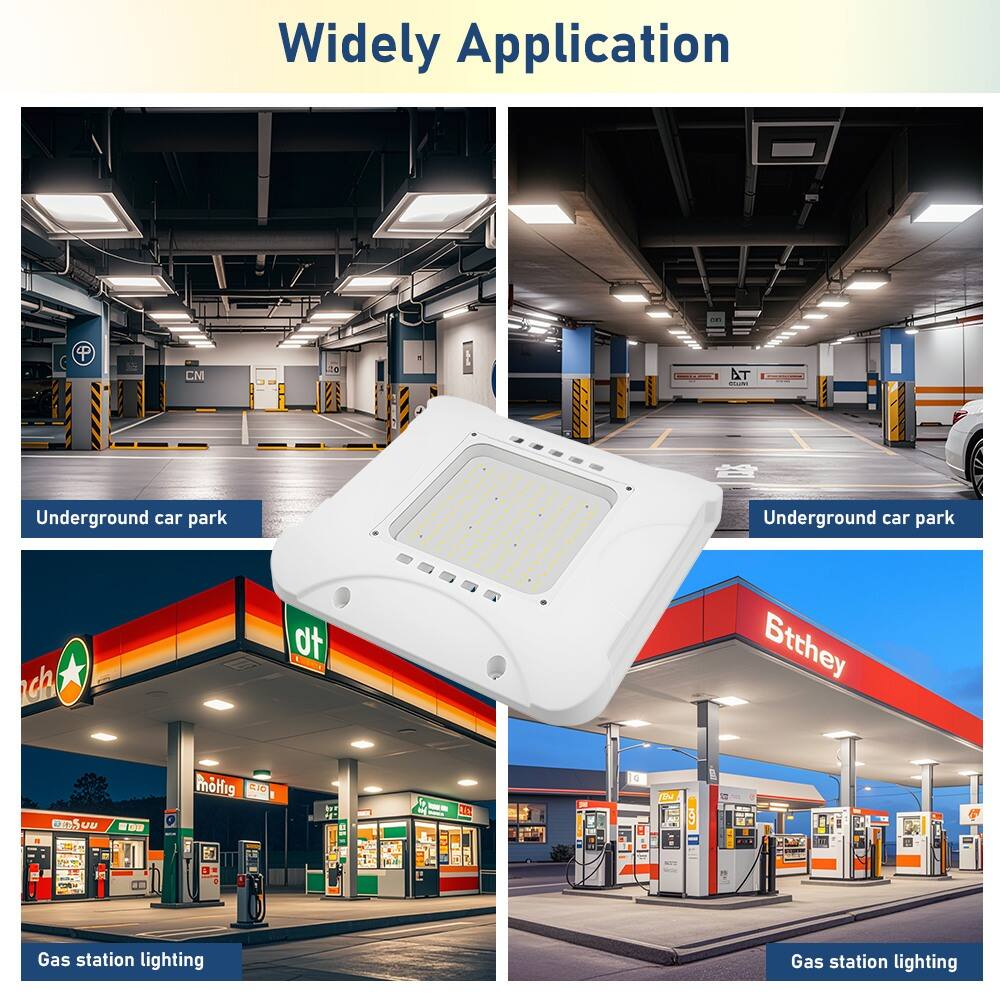
Modern fuel stations face increasing challenges in maintaining optimal visibility and safety standards while managing operational costs effectively. The evolution of lighting technology has introduced revolutionary solutions that address these concerns comprehensively. LED gas station light systems have emerged as the premier choice for facility managers seeking to enhance customer experience, improve security, and reduce long-term maintenance expenses. These advanced lighting solutions offer superior illumination quality, exceptional energy efficiency, and remarkable longevity compared to traditional lighting alternatives.
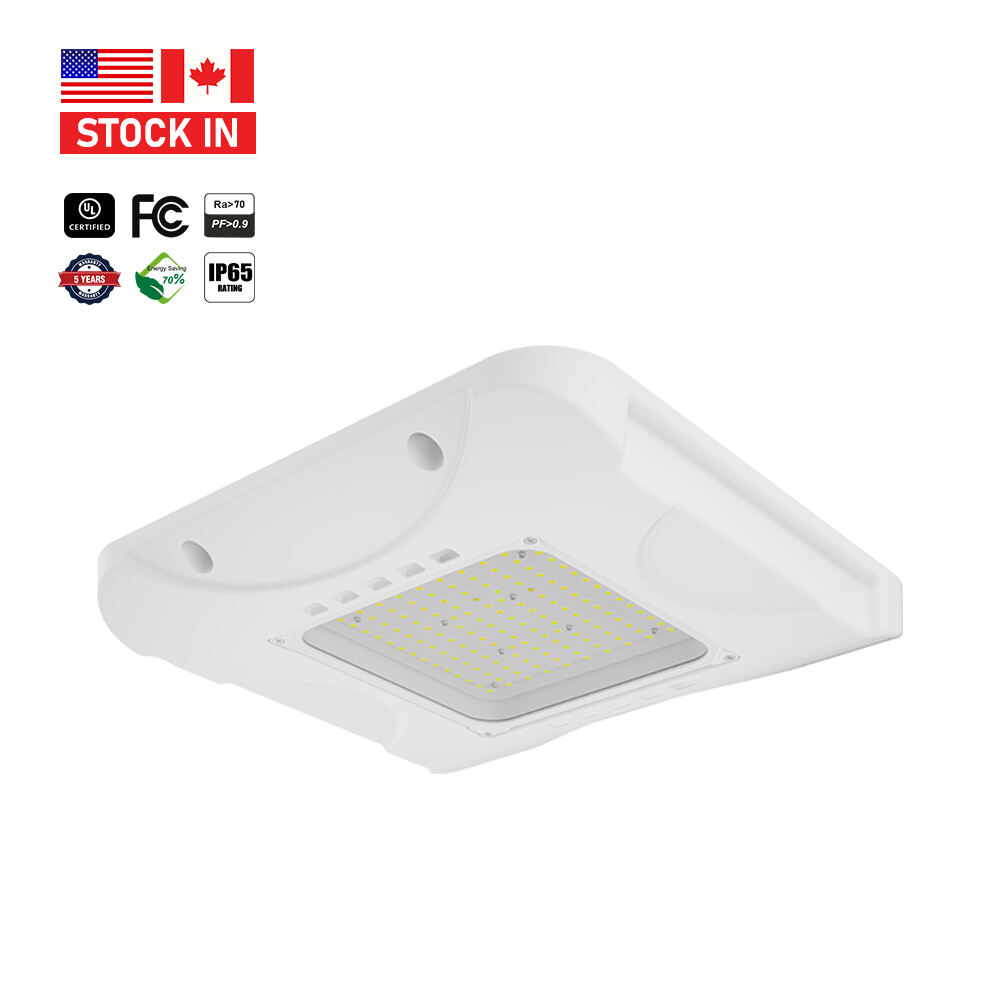
Understanding LED Technology for Fuel Station Applications
Core Technology Principles
Light-emitting diode technology operates fundamentally differently from conventional lighting systems, utilizing semiconductor materials to produce illumination through electroluminescence. This process generates significantly less heat while consuming substantially less electrical energy than traditional incandescent or fluorescent alternatives. The LED gas station light systems leverage these technological advantages to deliver consistent, high-quality illumination across expansive canopy areas and fuel dispensing zones.
The semiconductor construction of LED components enables precise control over light distribution patterns, color temperature, and intensity levels. Advanced LED gas station light fixtures incorporate sophisticated optical design elements including reflectors, lenses, and diffusers to optimize light dispersion and minimize glare. This engineered approach ensures uniform illumination coverage while preventing uncomfortable brightness levels that could impair driver vision or create safety hazards.
Energy Efficiency Characteristics
Contemporary LED gas station light systems typically achieve energy consumption reductions of sixty to eighty percent compared to traditional metal halide or high-pressure sodium fixtures. This dramatic efficiency improvement translates directly into substantial operational cost savings for fuel station operators. The reduced power requirements also decrease the strain on electrical infrastructure, potentially eliminating the need for costly electrical system upgrades during retrofit projects.
The exceptional efficiency of LED technology stems from its ability to convert electrical energy directly into visible light with minimal heat generation. Traditional lighting technologies waste significant energy producing heat as a byproduct, requiring additional cooling systems to maintain comfortable ambient temperatures. LED gas station light fixtures operate at much lower temperatures, reducing cooling loads and further enhancing overall energy efficiency.
Installation Considerations and Best Practices
Site Assessment and Planning
Successful LED gas station light implementation begins with comprehensive site evaluation to determine optimal fixture placement, mounting heights, and spacing requirements. Professional lighting designers assess existing infrastructure, canopy dimensions, fuel island layouts, and surrounding environmental factors to develop customized lighting plans. This thorough planning process ensures adequate illumination levels while minimizing the total number of fixtures required.
Environmental conditions significantly influence LED gas station light performance and longevity expectations. Factors including ambient temperature ranges, humidity levels, exposure to corrosive vapors, and potential impact risks must be carefully evaluated during the planning phase. Modern LED fixtures designed specifically for fuel station applications incorporate robust housing materials and protective features to withstand these challenging operational environments.
Electrical Infrastructure Requirements
The reduced power consumption of LED gas station light systems often allows facilities to upgrade their lighting without requiring extensive electrical modifications. However, proper electrical assessment remains crucial to ensure adequate circuit capacity, appropriate control systems, and compliance with local electrical codes. Professional electricians should evaluate existing wiring, panel capacity, and grounding systems to identify any necessary improvements.
Advanced LED gas station light installations may incorporate intelligent control features including photocells, motion sensors, and remote monitoring capabilities. These enhanced control systems require additional wiring considerations and may benefit from dedicated control circuits to ensure reliable operation. The integration of smart lighting controls enables automated dimming schedules, fault detection, and energy monitoring functions that further optimize operational efficiency.
Performance Benefits and Operational Advantages
Enhanced Visibility and Safety
Superior light quality represents one of the most significant advantages of LED gas station light technology over conventional alternatives. LED fixtures produce crisp, white light with excellent color rendering properties that enhance visibility of fuel dispensers, price displays, and surrounding areas. This improved illumination quality helps customers navigate the facility safely while providing better security surveillance capabilities for monitoring systems.
The instant-on capability of LED gas station light systems eliminates the warm-up delays associated with traditional high-intensity discharge lamps. This immediate full-brightness operation ensures consistent illumination levels regardless of ambient temperature conditions or switching frequency. The reliable start-up performance proves particularly valuable during power outages or emergency situations where immediate lighting restoration is critical for safety.
Maintenance Reduction and Reliability
Extended operational lifespan represents another compelling advantage of LED gas station light technology, with quality fixtures typically providing fifty thousand hours or more of reliable service. This longevity dramatically reduces maintenance requirements, labor costs, and equipment replacement expenses compared to conventional lighting systems that may require annual or bi-annual lamp replacements.
The solid-state construction of LED components eliminates fragile filaments and gas-filled chambers that make traditional lamps vulnerable to vibration, shock, and temperature cycling. LED gas station light fixtures demonstrate exceptional resistance to environmental stresses while maintaining consistent performance throughout their extended service life. This reliability translates into reduced service calls, minimized downtime, and improved facility availability.
Economic Impact and Return on Investment
Initial Investment Considerations
While LED gas station light systems typically require higher upfront investment compared to conventional lighting alternatives, the total cost of ownership analysis consistently favors LED technology over extended operational periods. The combination of reduced energy consumption, minimal maintenance requirements, and extended replacement intervals creates substantial ongoing savings that offset initial equipment costs.
Many utility companies offer rebates and incentive programs specifically designed to encourage LED gas station light adoption, helping to reduce initial investment barriers. These programs recognize the grid-wide benefits of reduced electrical demand and may provide significant financial assistance for qualifying projects. Professional lighting suppliers often maintain current information about available incentive programs and can assist with application procedures.
Long-term Financial Benefits
Comprehensive financial analysis of LED gas station light implementations typically demonstrates payback periods ranging from two to four years, depending on local electricity rates, usage patterns, and maintenance cost factors. Following the payback period, facilities continue to realize substantial operational savings for many additional years of LED system operation.
The stable light output and consistent performance characteristics of LED gas station light technology provide predictable operational expenses that facilitate accurate budgeting and financial planning. Unlike traditional lighting systems that experience gradual performance degradation requiring frequent adjustments or early replacement, LED fixtures maintain rated performance levels throughout most of their operational lifespan.
Environmental Impact and Sustainability
Energy Conservation Benefits
The exceptional energy efficiency of LED gas station light systems contributes significantly to reduced greenhouse gas emissions and environmental impact compared to conventional lighting technologies. The substantial reduction in electrical consumption directly translates to decreased demand on power generation facilities, particularly during peak usage periods when less efficient backup generators may be required.
LED technology contains no mercury or other hazardous materials commonly found in fluorescent and high-intensity discharge lamps, eliminating special disposal requirements and environmental contamination risks. The solid-state construction and recyclable materials used in quality LED gas station light fixtures support sustainable waste management practices and circular economy principles.
Sustainable Operational Practices
The extended operational lifespan of LED gas station light systems significantly reduces the frequency of fixture replacement and associated packaging waste. This longevity advantage minimizes the environmental impact associated with manufacturing, transportation, and disposal of lighting equipment throughout the facility's operational lifetime.
Advanced LED gas station light installations incorporating intelligent controls enable further environmental benefits through optimized operation schedules and demand-responsive dimming capabilities. These smart features automatically adjust lighting levels based on ambient conditions, occupancy patterns, and operational requirements to minimize energy consumption while maintaining adequate safety and security illumination.
FAQ
What is the typical lifespan of LED gas station light fixtures?
Quality LED gas station light systems typically provide fifty thousand to one hundred thousand hours of reliable operation, equivalent to fifteen to twenty-five years of normal fuel station usage. This exceptional longevity significantly exceeds traditional lighting alternatives and dramatically reduces maintenance requirements and replacement costs over the facility's operational lifetime.
How much energy can facilities save by switching to LED gas station light systems?
Most facilities experience energy consumption reductions of sixty to eighty percent when upgrading from conventional lighting to LED gas station light technology. The exact savings depend on the specific fixtures being replaced, operating schedules, and local electricity rates, but substantial cost reductions are consistently achieved across diverse installation scenarios.
Are LED gas station light fixtures suitable for harsh weather conditions?
Modern LED gas station light systems designed for commercial applications incorporate robust weatherproof housings rated for outdoor use in challenging environmental conditions. Quality fixtures feature IP65 or higher ingress protection ratings, corrosion-resistant materials, and thermal management systems that ensure reliable operation across wide temperature ranges and various weather conditions.
Do LED gas station light systems require special maintenance procedures?
LED gas station light fixtures require minimal maintenance compared to traditional lighting systems, with primary care involving periodic cleaning of lens surfaces and visual inspection of mounting hardware. The solid-state construction eliminates lamp replacement requirements and reduces maintenance labor to routine inspection and cleaning activities performed during regular facility maintenance schedules.