EN
EN



Modern commercial and industrial spaces demand exceptional illumination solutions that combine energy efficiency with superior performance. LED indoor lighting fixtures have revolutionized the way businesses approach their lighting needs, offering unprecedented control over brightness, color temperature, and operational costs. Understanding the key features that distinguish high-quality LED systems from basic alternatives is essential for making informed purchasing decisions that will impact your facility's productivity and energy consumption for years to come.
Essential Performance Characteristics
Luminous Efficacy and Light Output
The cornerstone of superior LED indoor lighting fixtures lies in their luminous efficacy, measured in lumens per watt. Premium fixtures typically deliver between 100 to 160 lumens per watt, significantly outperforming traditional fluorescent alternatives. This efficiency translates directly into reduced energy consumption while maintaining optimal illumination levels throughout your workspace. High-quality LED systems also maintain consistent light output over their operational lifetime, ensuring uniform brightness distribution across large commercial areas.
Light distribution patterns represent another critical performance factor that separates exceptional LED indoor lighting fixtures from standard options. Advanced optical designs incorporate precision-engineered reflectors and diffusers that eliminate hot spots and shadows while maximizing coverage area. Professional-grade fixtures feature carefully calculated beam angles that optimize light placement for specific applications, whether illuminating open office environments, manufacturing floors, or retail spaces.
Color Temperature Flexibility
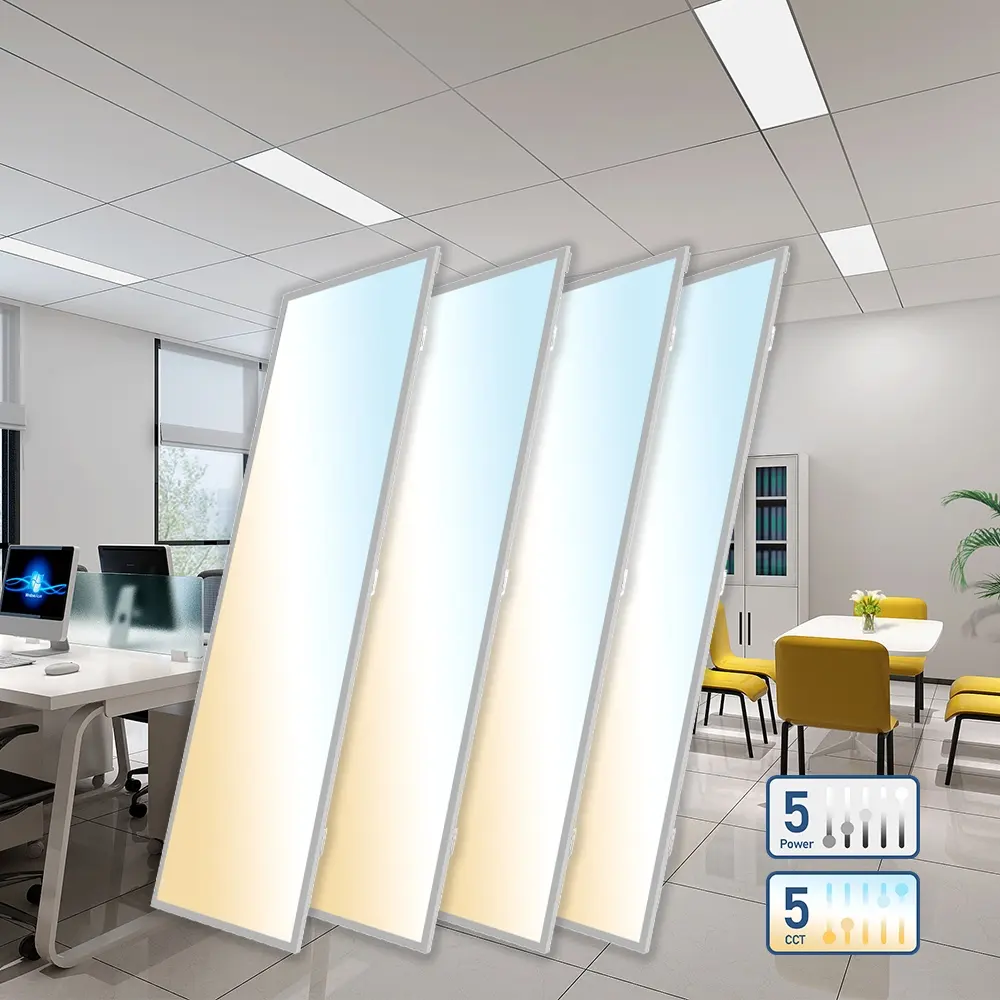
Modern LED indoor lighting fixtures increasingly offer selectable color temperature functionality, allowing users to adjust the light's warmth or coolness based on specific requirements. This feature proves particularly valuable in environments where lighting needs vary throughout the day or between different operational phases. Quality fixtures typically provide options ranging from warm 3000K lighting for comfortable evening environments to crisp 5000K illumination ideal for detailed task work.
The ability to modify color temperature without replacing entire fixture assemblies represents a significant advancement in lighting technology. Premium LED indoor lighting fixtures incorporate sophisticated control circuits that enable seamless transitions between color temperatures while maintaining consistent light quality and output levels throughout the adjustment range.
Construction Quality and Materials
Heat Management Systems
Thermal management capabilities directly influence the longevity and performance consistency of LED indoor lighting fixtures. Superior designs incorporate advanced heat sink technologies, utilizing high-grade aluminum extrusions or specialized thermal management materials that efficiently dissipate heat away from LED chips. Effective thermal control prevents performance degradation and extends operational lifespan, making it a crucial factor in evaluating fixture quality.
Professional-grade LED indoor lighting fixtures feature sophisticated thermal monitoring systems that automatically adjust operation parameters to maintain optimal LED junction temperatures. These intelligent thermal management solutions protect against overheating while ensuring consistent light output even in challenging environmental conditions such as high ambient temperatures or enclosed installation spaces.
Driver Technology and Power Management
The LED driver represents the electronic heart of modern lighting fixtures, converting AC power to the precise DC voltages required by LED arrays. High-quality LED indoor lighting fixtures incorporate premium drivers with excellent power factor correction, minimal total harmonic distortion, and robust surge protection capabilities. These advanced drivers ensure stable operation while minimizing electromagnetic interference that could affect nearby electronic equipment.
Dimming compatibility and control interface options significantly enhance the versatility of LED indoor lighting fixtures in commercial applications. Superior drivers support multiple dimming protocols including 0-10V analog dimming, DALI digital control systems, and wireless communication standards that enable integration with building management systems and smart lighting networks.
Installation and Maintenance Advantages
Mounting Flexibility and Compatibility
Quality LED indoor lighting fixtures offer comprehensive mounting options that accommodate diverse installation requirements without compromising performance or aesthetics. Professional-grade systems include adjustable mounting hardware, universal junction box compatibility, and modular design elements that simplify retrofit applications in existing facilities. This installation flexibility reduces labor costs while ensuring proper fixture alignment and secure mounting.
Retrofit compatibility represents a particularly important feature for facilities upgrading from fluorescent or HID lighting systems. Well-designed LED indoor lighting fixtures incorporate standardized mounting patterns and electrical connections that enable direct replacement of legacy fixtures without extensive electrical modifications or structural changes to ceiling systems.
Maintenance Requirements and Accessibility
The extended operational lifespan of quality LED indoor lighting fixtures dramatically reduces maintenance requirements compared to conventional lighting technologies. Premium LED systems typically offer rated lifespans exceeding 50,000 hours while maintaining at least 70% of initial light output throughout their operational period. This longevity significantly reduces replacement frequency and associated maintenance labor costs.
When maintenance is required, superior LED indoor lighting fixtures feature modular designs that enable component-level servicing without complete fixture replacement. Accessible driver compartments, removable LED modules, and tool-free lens removal systems minimize maintenance time while ensuring safe access to internal components during service operations.
Smart Control Integration
Sensor Integration Capabilities
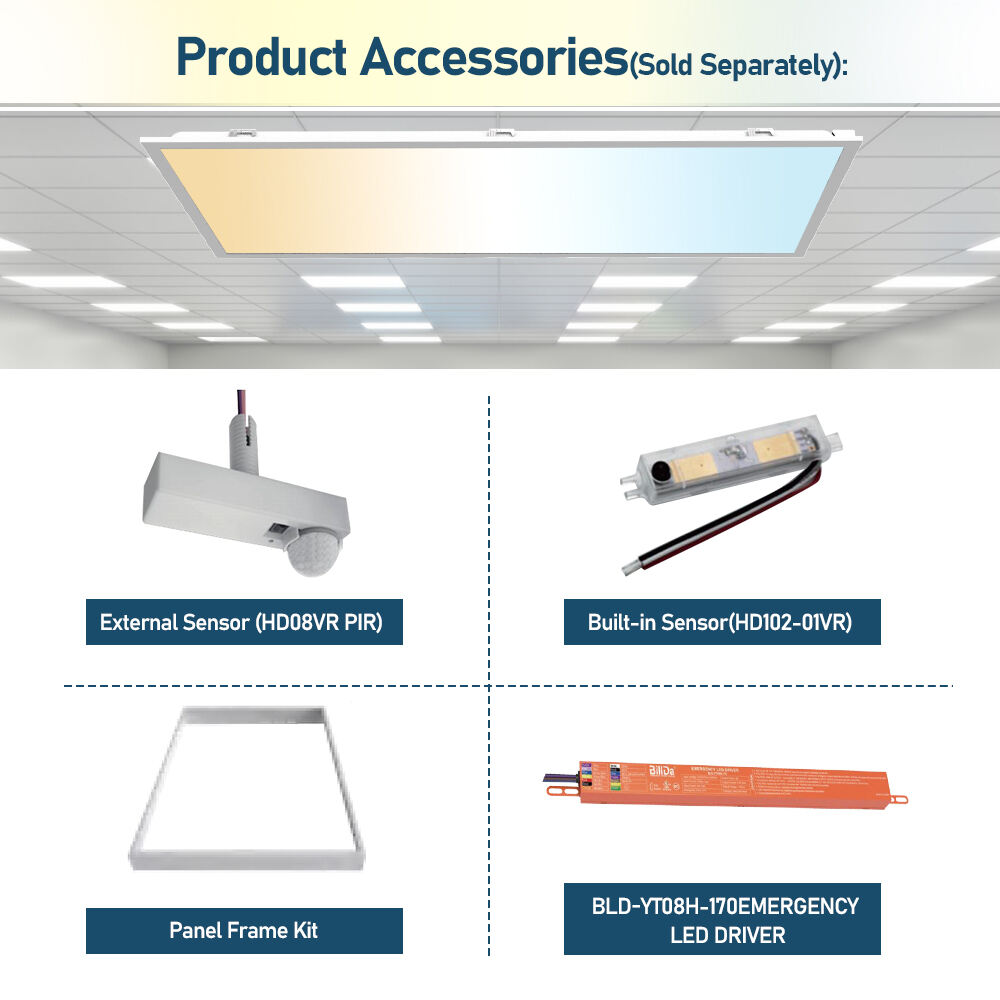
Modern LED indoor lighting fixtures increasingly incorporate integrated sensor technologies that enable automated lighting control based on occupancy, daylight levels, and scheduling requirements. Advanced fixtures feature built-in occupancy sensors with adjustable sensitivity settings and customizable time delays that optimize energy savings while ensuring immediate illumination when spaces are occupied.
Daylight harvesting capabilities represent another sophisticated feature found in premium LED indoor lighting fixtures. Integrated photosensors continuously monitor ambient light levels and automatically adjust fixture output to maintain consistent illumination while minimizing energy consumption during periods of adequate natural lighting. This intelligent control functionality can reduce energy usage by 30-50% in perimeter zones with significant daylight penetration.
Network Connectivity and Control Systems
Professional-grade LED indoor lighting fixtures support various communication protocols that enable seamless integration with building automation systems and centralized lighting control platforms. Advanced fixtures incorporate wireless communication capabilities including Wi-Fi, Zigbee, or proprietary mesh networking systems that facilitate real-time monitoring and control without additional wiring infrastructure.
Centralized control capabilities allow facility managers to monitor energy consumption, track maintenance schedules, and optimize lighting performance across entire facilities from unified control interfaces. These smart LED indoor lighting fixtures provide detailed operational data including runtime hours, energy consumption patterns, and performance diagnostics that support proactive maintenance scheduling and energy optimization strategies.
Energy Efficiency and Environmental Impact
Power Consumption Optimization
The exceptional energy efficiency of LED indoor lighting fixtures represents their most significant advantage over traditional lighting technologies. Quality LED systems consume 50-70% less energy than equivalent fluorescent fixtures while delivering superior light quality and control capabilities. This dramatic efficiency improvement translates directly into reduced utility costs and lower carbon footprint for commercial and industrial facilities.
Advanced power management features in premium LED indoor lighting fixtures enable further energy optimization through intelligent scheduling, occupancy-based dimming, and load balancing capabilities. These sophisticated control systems automatically adjust lighting levels based on actual usage patterns, maximizing energy savings without compromising occupant comfort or productivity.
Environmental Performance Standards
Quality LED indoor lighting fixtures meet or exceed stringent environmental performance standards including Energy Star certification, DesignLights Consortium qualified products list inclusion, and various LEED point contribution requirements. These certifications validate energy efficiency claims while ensuring compatibility with green building initiatives and utility rebate programs.
The absence of mercury and other hazardous materials in LED indoor lighting fixtures simplifies end-of-life disposal while eliminating safety concerns associated with breakage during installation or maintenance. This environmental advantage, combined with extended operational lifespans, significantly reduces the environmental impact of lighting systems throughout their entire lifecycle.
Cost Considerations and Return on Investment
Total Cost of Ownership Analysis
Evaluating LED indoor lighting fixtures requires comprehensive total cost of ownership analysis that considers initial purchase price, installation costs, energy consumption, and maintenance requirements over the fixture's operational lifetime. While premium LED systems typically command higher initial costs than basic alternatives, their superior efficiency and extended lifespan often provide attractive payback periods ranging from two to five years.
Energy cost savings represent the primary economic benefit of upgrading to efficient LED indoor lighting fixtures. Depending on local utility rates and existing lighting technology, facilities can expect energy cost reductions of 40-60% while simultaneously improving light quality and control capabilities. These savings compound over time, providing substantial cumulative benefits throughout the fixture's operational period.
Utility Incentives and Rebate Programs
Many utility companies and government agencies offer substantial rebate programs that offset the initial cost of upgrading to efficient LED indoor lighting fixtures. These incentive programs typically require fixtures to meet specific performance criteria including minimum efficacy levels, quality certifications, and control system compatibility requirements.
Professional-grade LED indoor lighting fixtures that meet DesignLights Consortium specifications often qualify for the highest rebate tiers, significantly reducing effective purchase costs. Additionally, some programs offer enhanced incentives for fixtures with advanced control capabilities or integration with building management systems, further improving project economics.
FAQ
What lifespan can I expect from quality LED indoor lighting fixtures
Premium LED indoor lighting fixtures typically provide operational lifespans of 50,000 to 100,000 hours while maintaining at least 70% of their initial light output. Under normal commercial usage patterns of 12 hours per day, this translates to 11-22 years of reliable operation before replacement becomes necessary. The actual lifespan depends on factors including thermal management quality, driver specifications, and environmental operating conditions.
How do LED fixtures compare to fluorescent lighting in terms of light quality
Modern LED indoor lighting fixtures deliver superior light quality compared to fluorescent alternatives, offering better color rendering, instant-on capability, and flicker-free operation. LED systems provide more precise color temperature control and maintain consistent light output throughout their operational lifetime, while fluorescent fixtures experience gradual light degradation and color shifting over time.
Can LED indoor lighting fixtures be integrated with existing building control systems
Professional-grade LED indoor lighting fixtures support various communication protocols including 0-10V analog dimming, DALI digital control, and wireless networking standards that enable seamless integration with most building automation systems. Many advanced fixtures offer multiple control interface options, ensuring compatibility with both legacy control systems and modern smart building platforms.
What factors should I consider when selecting LED fixtures for industrial environments
Industrial applications require LED indoor lighting fixtures with robust construction, superior thermal management, and appropriate environmental ratings for the specific operating conditions. Key considerations include operating temperature range, vibration resistance, dust and moisture protection ratings, emergency lighting compatibility, and the ability to maintain consistent performance in challenging environmental conditions such as high ambient temperatures or corrosive atmospheres.
Table of Contents
- Essential Performance Characteristics
- Construction Quality and Materials
- Installation and Maintenance Advantages
- Smart Control Integration
- Energy Efficiency and Environmental Impact
- Cost Considerations and Return on Investment
-
FAQ
- What lifespan can I expect from quality LED indoor lighting fixtures
- How do LED fixtures compare to fluorescent lighting in terms of light quality
- Can LED indoor lighting fixtures be integrated with existing building control systems
- What factors should I consider when selecting LED fixtures for industrial environments