EN
EN



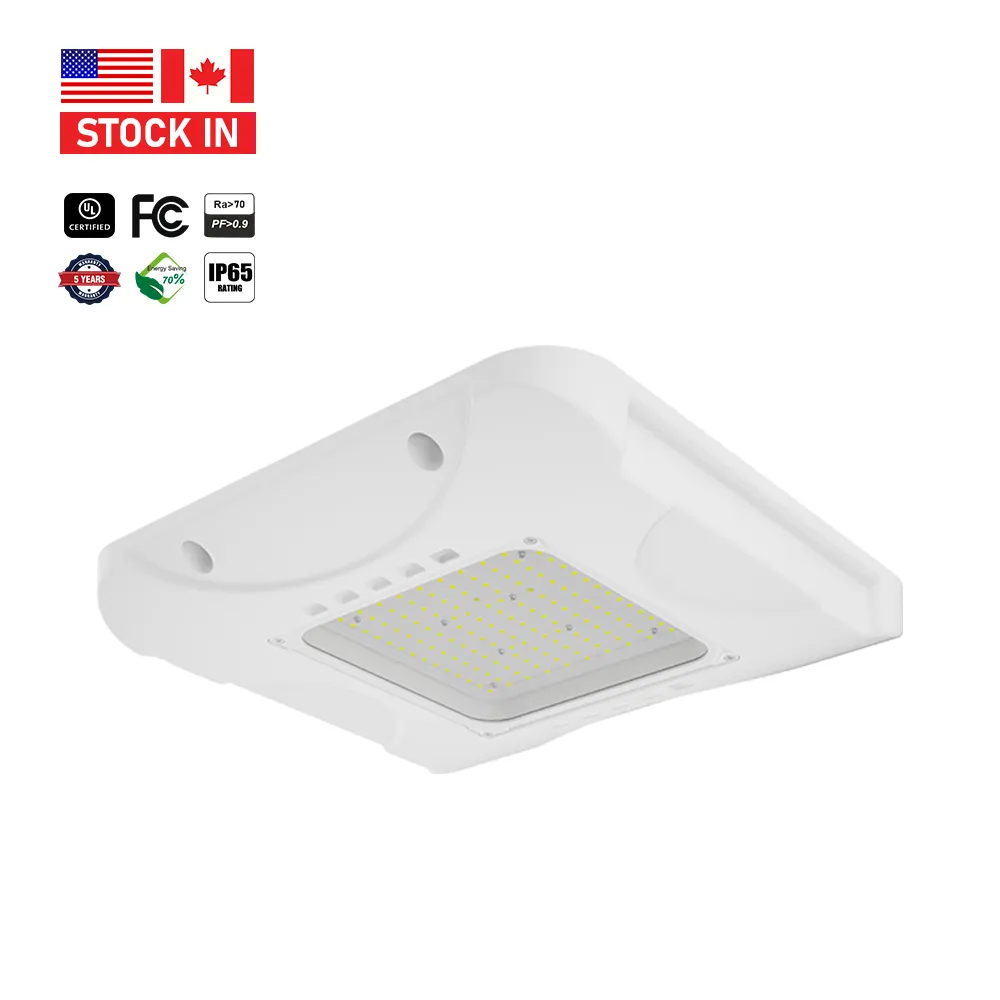
Proper maintenance of your LED garage canopy light is essential for ensuring optimal performance, energy efficiency, and extended lifespan. These high-performance lighting solutions have revolutionized commercial and industrial lighting applications, offering superior illumination while reducing operational costs. Understanding the maintenance requirements and implementing a systematic approach can significantly enhance the longevity and performance of your lighting investment. Regular maintenance not only preserves the quality of light output but also maintains safety standards in garage and canopy applications where reliable illumination is critical.
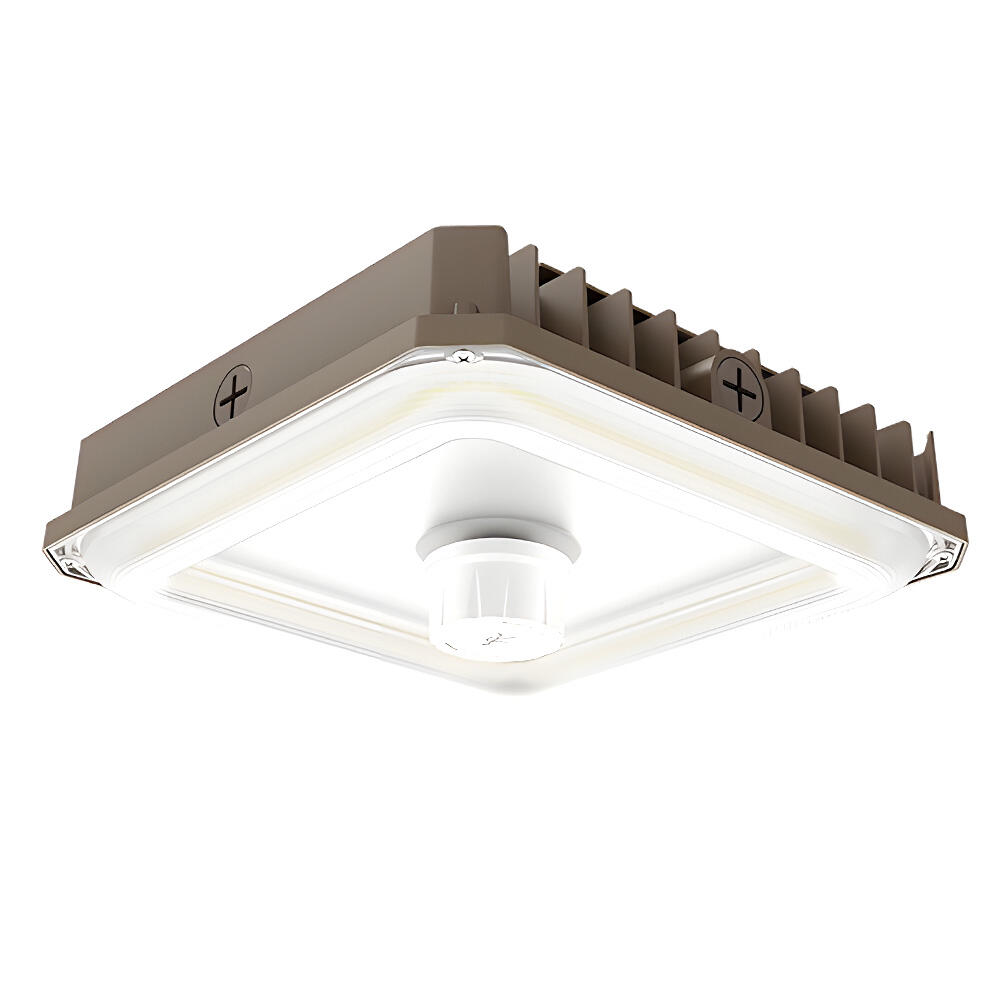
Understanding LED Garage Canopy Light Technology
Core Components and Design Features
Modern LED garage canopy light systems incorporate advanced semiconductor technology that converts electrical energy into light with exceptional efficiency. The key components include high-quality LED chips, heat dissipation systems, optical lenses, and robust housing materials designed to withstand harsh environmental conditions. These fixtures typically feature aluminum housings with integrated heat sinks that effectively manage thermal loads, ensuring optimal LED performance and longevity. The optical design often includes precise beam angles and light distribution patterns optimized for canopy and overhead applications.
The electrical components within an LED garage canopy light include sophisticated driver circuits that regulate current flow and protect against voltage fluctuations. Advanced models incorporate dimming capabilities, motion sensors, and smart control features that enhance energy efficiency and operational flexibility. Understanding these components helps facility managers implement appropriate maintenance strategies that address each element's specific requirements. The modular design of many LED canopy lights facilitates easier maintenance and component replacement when necessary.
Performance Characteristics and Operational Benefits
LED garage canopy light fixtures deliver exceptional performance metrics including high luminous efficacy, extended operational life, and minimal maintenance requirements compared to traditional lighting technologies. These systems typically provide 50,000 to 100,000 hours of operational life while maintaining consistent light output throughout their lifespan. The instant-on capability eliminates warm-up periods, providing immediate full illumination when activated. Additionally, LED technology offers superior color rendering and uniform light distribution essential for safety and visibility in garage environments.
Energy efficiency represents one of the most significant advantages of LED canopy lighting systems, often consuming 60-80% less energy than equivalent high-intensity discharge or fluorescent alternatives. This efficiency translates into substantial cost savings over the fixture's operational lifetime while reducing environmental impact. The solid-state construction of LED components provides enhanced durability and resistance to vibration, shock, and temperature fluctuations commonly encountered in garage and industrial applications.
Essential Maintenance Procedures and Schedules
Routine Cleaning and Inspection Protocols
Establishing a comprehensive cleaning schedule is fundamental to maintaining optimal performance of your LED garage canopy light systems. Dust, debris, and environmental contaminants can accumulate on fixture surfaces and optical components, reducing light output and potentially causing premature component failure. Monthly visual inspections should assess overall fixture condition, checking for signs of damage, corrosion, or moisture infiltration. The inspection process should include examination of mounting hardware, electrical connections, and housing integrity to identify potential issues before they compromise system performance.
Cleaning procedures should utilize appropriate tools and cleaning agents that won't damage fixture surfaces or optical components. Microfiber cloths and mild, non-abrasive cleaning solutions effectively remove accumulated contaminants without scratching lens surfaces or damaging protective coatings. Power should always be disconnected before performing any cleaning or maintenance activities to ensure personnel safety. Special attention should be given to heat sink fins and ventilation areas where debris accumulation can impair thermal management and reduce LED lifespan.
Electrical System Monitoring and Testing
Regular electrical system monitoring ensures reliable operation and helps identify potential issues before they result in system failure. Voltage measurements at fixture terminals should be compared against manufacturer specifications to verify proper supply conditions. Fluctuating or incorrect voltage levels can significantly impact LED performance and longevity. Current measurements help assess driver efficiency and identify potential component degradation that may require attention.
Temperature monitoring of critical components, particularly LED junction temperatures and driver operating temperatures, provides valuable insight into system health and thermal management effectiveness. Infrared thermometers or thermal imaging cameras can quickly identify hot spots or thermal imbalances that may indicate impending component failure. Documentation of electrical measurements and thermal readings creates a valuable maintenance history that facilitates trend analysis and predictive maintenance strategies.
Advanced Maintenance Techniques and Troubleshooting
Thermal Management Optimization
Effective thermal management is critical for maximizing the operational life and performance of LED garage canopy light systems. Heat sink surfaces should be regularly cleaned to maintain optimal heat dissipation capabilities, as accumulated debris can significantly reduce thermal transfer efficiency. The cleaning process should focus on removing dust, leaves, and other organic matter that commonly accumulate in outdoor installations. Proper airflow around fixtures must be maintained by ensuring adequate clearances and removing any obstructions that might impede natural convection cooling.
Advanced thermal management may involve monitoring ambient temperature conditions and adjusting operational parameters accordingly. Some LED systems incorporate thermal protection features that automatically reduce output power under excessive temperature conditions to protect component integrity. Understanding these protection mechanisms helps maintenance personnel distinguish between normal thermal response and actual system malfunctions. Regular thermal imaging surveys can identify fixtures operating at elevated temperatures, indicating potential maintenance needs or environmental issues requiring attention.
Component Replacement and Upgrade Strategies
While LED garage canopy light systems are designed for extended operational life, certain components may require periodic replacement or upgrading to maintain peak performance. Driver circuits, being the most complex electrical components, typically have shorter service lives than LED elements and may require replacement every 10-15 years depending on operating conditions and quality. Identifying signs of driver degradation, such as flickering, dimming, or erratic operation, enables proactive replacement before complete failure occurs.
Optical components, including lenses and reflectors, may require replacement if they become damaged, discolored, or significantly degraded due to environmental exposure. UV radiation, temperature cycling, and chemical exposure can gradually degrade optical materials, reducing light transmission and altering beam characteristics. Upgrading to improved optical components or newer LED modules can enhance system performance and extend overall service life while maintaining compatibility with existing fixture housings and mounting systems.
Environmental Considerations and Protection Strategies
Weather Resistance and Moisture Management
LED garage canopy light fixtures must withstand diverse environmental conditions while maintaining reliable operation and preventing moisture infiltration. Proper seal integrity is essential for protecting internal components from humidity, rain, and temperature fluctuations. Regular inspection of gaskets, seals, and housing joints should identify potential entry points for moisture before they compromise system reliability. Silicone-based sealants and weatherproof gaskets provide effective barriers against environmental intrusion when properly installed and maintained.
Condensation management requires attention to both external and internal moisture control. Proper fixture orientation and drainage provisions prevent water accumulation that could lead to corrosion or electrical problems. Internal humidity control may involve desiccant materials or ventilation systems that maintain dry conditions within the fixture housing. Understanding the IP rating of your LED garage canopy light fixtures helps determine appropriate installation locations and maintenance requirements for specific environmental conditions.
Chemical Resistance and Corrosion Prevention
Garage and industrial environments often expose lighting fixtures to various chemicals, including automotive fluids, cleaning agents, and atmospheric pollutants that can cause corrosion or material degradation. Protective coatings and material selection play crucial roles in preventing chemical damage to fixture components. Regular inspection should identify early signs of corrosion, discoloration, or material degradation that may require protective treatment or component replacement.
Preventive measures include applying appropriate protective coatings to exposed metal surfaces and ensuring proper ventilation to minimize chemical vapor exposure. Stainless steel and aluminum components with appropriate surface treatments provide enhanced resistance to most common chemical exposures encountered in garage applications. Understanding the specific chemical environment of your installation helps determine optimal maintenance intervals and protective measures necessary to preserve fixture integrity and performance.
Performance Optimization and Energy Efficiency
Light Output Monitoring and Calibration
Maintaining optimal light output requires systematic monitoring of illumination levels and beam characteristics throughout the fixture's operational life. Light meters and photometric testing equipment enable precise measurement of illumination levels at various points within the coverage area. These measurements should be compared against initial installation values and design specifications to identify any degradation in light output that may require attention.
LED garage canopy light systems may incorporate dimming capabilities or adaptive lighting controls that adjust output based on occupancy or ambient conditions. Regular calibration of these control systems ensures optimal energy efficiency while maintaining adequate illumination levels for safety and operational requirements. Sensor cleaning and calibration procedures maintain accurate detection and response characteristics essential for automated lighting control systems.
Smart Control Integration and Monitoring Systems
Advanced LED garage canopy light systems increasingly incorporate smart control capabilities that enable remote monitoring, scheduling, and energy management functions. These systems provide valuable diagnostic information including operating hours, energy consumption, and component status that facilitate predictive maintenance strategies. Regular software updates and system calibration maintain optimal performance of smart control features while ensuring compatibility with building management systems.
Data analysis from smart lighting systems reveals usage patterns, energy consumption trends, and performance metrics that inform maintenance scheduling and optimization strategies. Automated reporting capabilities can alert maintenance personnel to developing issues before they impact system performance or reliability. Integration with facility management systems provides comprehensive oversight of lighting infrastructure while supporting energy efficiency and sustainability objectives.
FAQ
How often should LED garage canopy lights be cleaned for optimal performance
LED garage canopy lights should be cleaned monthly for routine dust removal, with more thorough cleaning performed quarterly depending on environmental conditions. High-traffic areas or locations with significant dust, debris, or chemical exposure may require more frequent cleaning. The cleaning schedule should be adjusted based on observed accumulation rates and performance monitoring results to maintain optimal light output and fixture longevity.
What are the signs that LED garage canopy light components need replacement
Key indicators include flickering or unstable operation, significant reduction in light output, color shifting, unusual heating, or visible damage to housing or optical components. Driver failure symptoms include complete fixture failure, dimming without control input, or erratic behavior. Regular monitoring of these symptoms enables proactive replacement before complete system failure occurs, minimizing downtime and maintaining safety standards.
How can environmental factors affect LED garage canopy light maintenance requirements
Environmental factors significantly impact maintenance frequency and procedures. Coastal installations require more frequent corrosion monitoring, while dusty environments need increased cleaning schedules. Extreme temperature conditions may necessitate enhanced thermal monitoring and potentially modified operational parameters. Chemical exposure from automotive or industrial processes requires specialized cleaning procedures and protective measures to prevent material degradation.
What safety precautions should be followed during LED garage canopy light maintenance
Essential safety measures include disconnecting electrical power before performing any maintenance, using proper ladder safety procedures for elevated installations, and wearing appropriate personal protective equipment. Electrical testing should only be performed by qualified personnel using proper test equipment. Hot fixture components should be allowed to cool before handling, and proper lifting techniques should be used for heavy fixtures to prevent injury during maintenance procedures.
Table of Contents
- Understanding LED Garage Canopy Light Technology
- Essential Maintenance Procedures and Schedules
- Advanced Maintenance Techniques and Troubleshooting
- Environmental Considerations and Protection Strategies
- Performance Optimization and Energy Efficiency
-
FAQ
- How often should LED garage canopy lights be cleaned for optimal performance
- What are the signs that LED garage canopy light components need replacement
- How can environmental factors affect LED garage canopy light maintenance requirements
- What safety precautions should be followed during LED garage canopy light maintenance