EN
EN



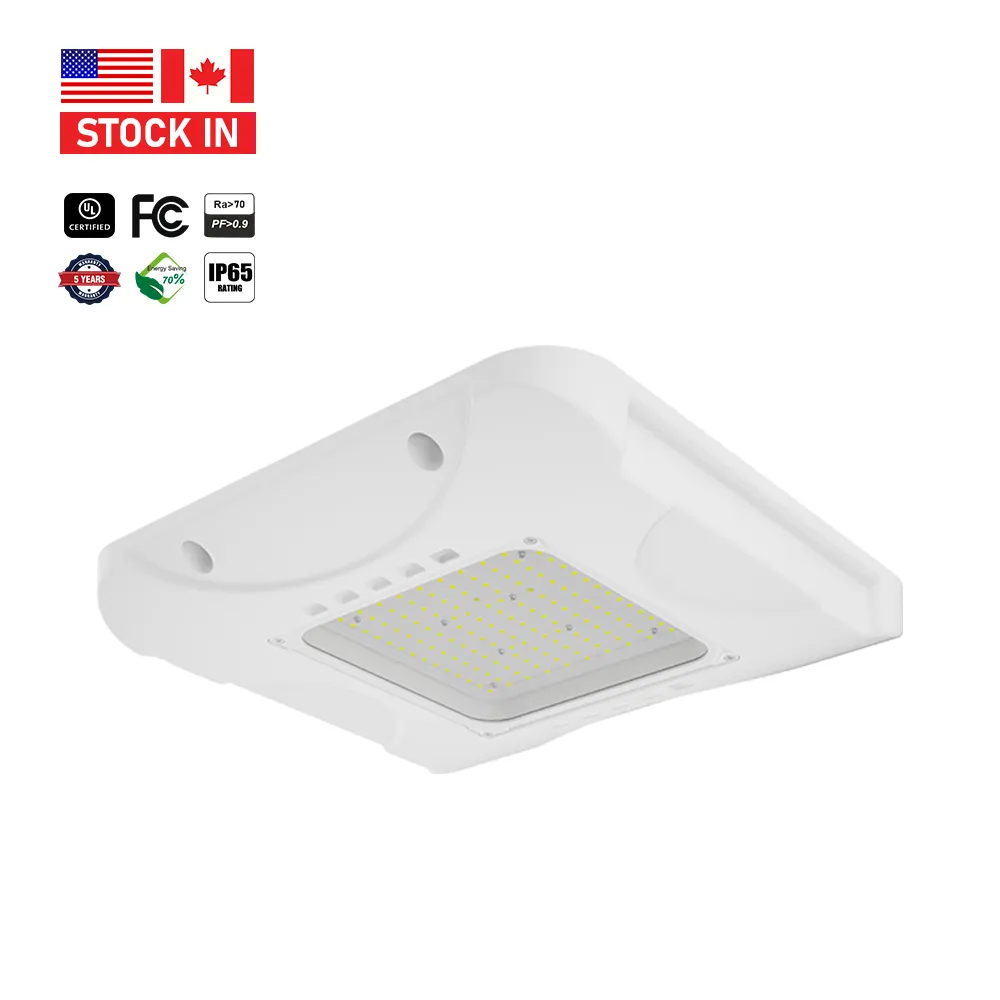
Gas station operators face unique challenges when selecting lighting solutions that can withstand harsh outdoor conditions while providing optimal illumination for customer safety and operational efficiency. Modern fuel stations require lighting systems that deliver consistent performance across diverse weather conditions, from scorching summer heat to freezing winter temperatures. The evolution of LED technology has transformed the landscape of commercial lighting, offering unprecedented energy efficiency and longevity compared to traditional metal halide and fluorescent alternatives. Understanding the critical features that distinguish superior lighting solutions becomes essential for making informed investment decisions that impact both operational costs and customer experience.
Essential Durability Features for Outdoor Commercial Lighting
Weather Resistance and Environmental Protection
Weather resistance stands as the cornerstone of durable outdoor lighting systems, particularly for fuel station environments where exposure to extreme conditions is constant. Quality lighting fixtures must incorporate IP65 or higher ingress protection ratings to effectively seal against dust infiltration and water penetration. This protection level ensures reliable operation during heavy rainfall, snow accumulation, and windstorm conditions that commonly affect outdoor commercial installations. Advanced sealing technologies utilize premium gaskets and weatherproof housing materials that maintain their integrity across temperature fluctuations ranging from negative forty to positive sixty degrees Celsius.
Corrosion resistance represents another critical aspect of environmental protection, especially in coastal areas where salt air accelerates metal degradation. High-grade aluminum alloys and specialized coating treatments provide superior protection against oxidation and chemical exposure from fuel vapors and cleaning chemicals commonly used in gas station maintenance. The housing construction should feature powder-coated finishes that resist fading, chipping, and chemical etching while maintaining aesthetic appeal throughout the fixture's operational lifespan.
Impact Resistance and Vandal Protection
Gas stations operate in high-traffic environments where lighting fixtures face potential impact from vehicles, equipment, and unfortunately, vandalism attempts. Robust construction utilizing impact-resistant materials such as tempered glass lenses and reinforced aluminum housings provides essential protection against physical damage. IK08 or higher impact protection ratings ensure fixtures can withstand significant force without compromising their structural integrity or operational performance.
Strategic mounting configurations and protective guards further enhance security by positioning critical components away from potential contact points while maintaining optimal light distribution patterns. Anti-theft hardware and tamper-resistant fastening systems deter unauthorized removal attempts while simplifying legitimate maintenance procedures. These security features contribute to lower long-term ownership costs by reducing replacement frequency and minimizing downtime during repairs.
Energy Efficiency and Performance Optimization
Advanced LED Technology and Heat Management
Modern LED gas station lights incorporate cutting-edge semiconductor technology that delivers exceptional luminous efficacy while consuming minimal electrical power. High-quality LED chips paired with precision-engineered optical systems achieve light output ratios exceeding 150 lumens per watt, representing substantial improvements over traditional lighting technologies. This efficiency translates directly into reduced electricity consumption and lower operating costs, making LED solutions attractive for businesses focused on sustainable operations and profit optimization.
Thermal management systems play a crucial role in maintaining LED performance and extending operational lifespan. Advanced heat sink designs featuring optimized fin configurations and premium aluminum construction facilitate efficient heat dissipation that keeps LED junction temperatures within optimal operating ranges. Passive cooling systems eliminate mechanical fan requirements, reducing maintenance needs while ensuring silent operation that contributes to a pleasant customer experience.
Intelligent Control Systems and Dimming Capabilities
Smart lighting control systems enable precise adjustment of illumination levels based on operational requirements, ambient conditions, and energy conservation goals. Programmable dimming capabilities allow facility managers to optimize light output during different operational periods, reducing energy consumption during low-traffic hours while maintaining adequate safety illumination. These intelligent systems can integrate with existing building management platforms to provide centralized control and monitoring capabilities.
Motion detection and daylight harvesting technologies further enhance energy efficiency by automatically adjusting light output based on occupancy patterns and natural light availability. These adaptive features ensure optimal illumination when needed while minimizing unnecessary energy consumption, contributing to substantial operational savings over the fixture's lifespan. Advanced control systems also provide valuable usage data that supports maintenance planning and energy management optimization.
Installation and Maintenance Considerations
Mounting Systems and Installation Flexibility
Versatile mounting systems accommodate diverse installation requirements across different canopy configurations and architectural designs commonly found in gas station facilities. Adjustable bracket systems enable precise positioning to achieve optimal light distribution patterns while accommodating structural constraints and aesthetic preferences. Quick-connect electrical interfaces simplify installation procedures and reduce labor costs associated with fixture deployment and replacement activities.
Modular design concepts facilitate future upgrades and modifications without requiring complete fixture replacement, protecting long-term investment value while enabling technology advancement adoption. Standardized mounting interfaces ensure compatibility with existing infrastructure, minimizing installation complexity and reducing project timelines. These design considerations prove particularly valuable for retrofit applications where existing fixtures require replacement or upgrading.
Maintenance Access and Service Requirements
Accessible maintenance features reduce long-term ownership costs by simplifying routine service procedures and component replacement activities. Tool-free access panels and hinged housing designs enable quick inspection and cleaning without requiring specialized equipment or extensive fixture disassembly. Clear component labeling and diagnostic indicators assist maintenance personnel in identifying potential issues before they result in complete fixture failure.
Extended warranty coverage and readily available replacement components ensure continued operation throughout the fixture's expected lifespan. Quality manufacturers provide comprehensive technical support and replacement part availability that minimizes downtime during service events. These support services prove essential for maintaining consistent illumination quality and operational reliability in critical commercial applications.
Light Distribution and Performance Metrics
Optical Design and Beam Control
Precision-engineered optical systems deliver uniform light distribution across large coverage areas while minimizing light spillage and glare that can create visual discomfort for customers and neighboring properties. Advanced reflector designs and secondary lens systems shape light output to match specific application requirements, ensuring adequate illumination levels at ground level while avoiding excessive vertical light emission that contributes to light pollution.
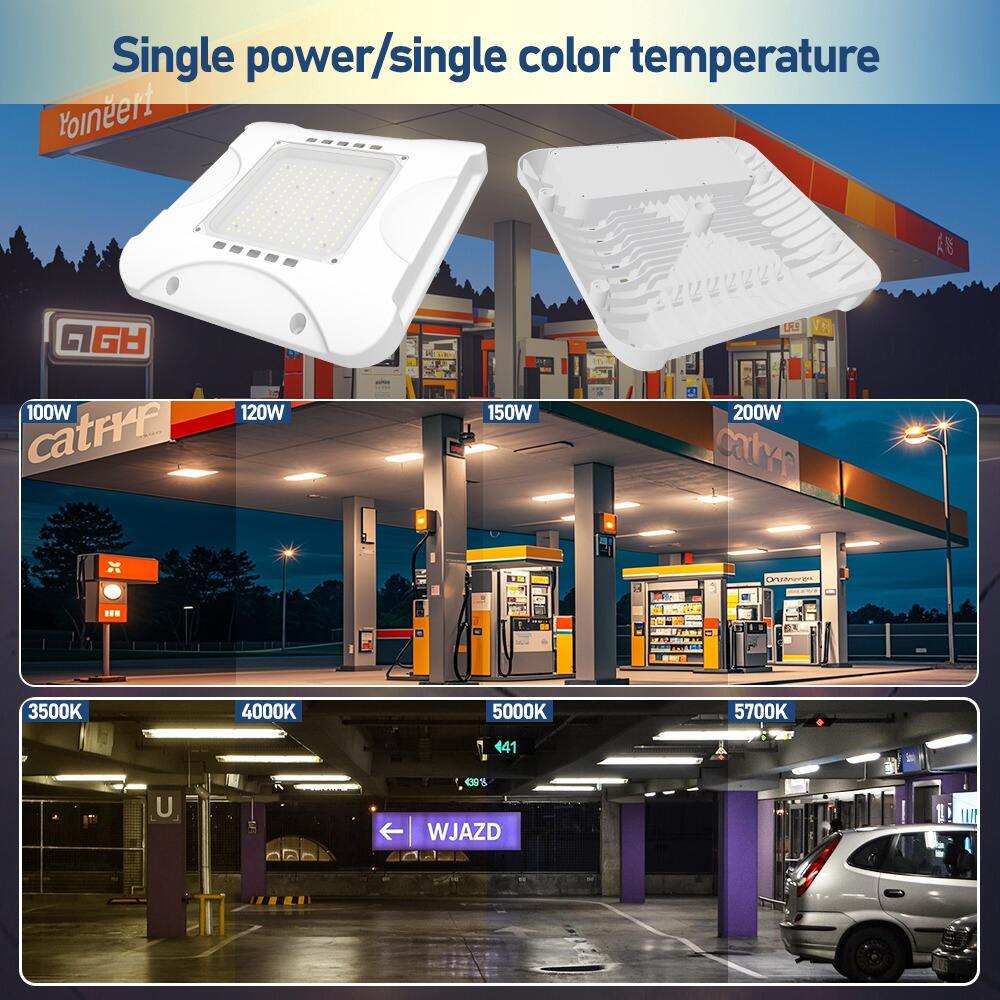
Color temperature selection impacts visual comfort and safety perception, with neutral white options typically providing the best balance between visual acuity and energy efficiency. High color rendering index values ensure accurate color perception for security camera systems and general visual tasks, supporting both safety objectives and aesthetic appeal. These optical characteristics contribute to creating welcoming environments that encourage customer patronage while maintaining security visibility requirements.
Photometric Performance and Compliance Standards
Comprehensive photometric testing ensures lighting systems meet or exceed industry standards for commercial outdoor applications, including minimum illumination levels and uniformity ratios specified by lighting design guidelines. Independent laboratory certification provides verification of manufacturer performance claims and regulatory compliance, supporting informed purchasing decisions based on objective performance data rather than marketing specifications alone.
Light loss factors and depreciation calculations enable accurate long-term performance predictions that support maintenance planning and replacement scheduling. Understanding how light output changes over time helps facility managers maintain consistent illumination quality while optimizing maintenance intervals and budget allocation. These performance metrics prove essential for total cost of ownership calculations that guide lighting investment decisions.
FAQ
What IP rating should gas station lights have for outdoor use?
Gas station lights should have a minimum IP65 rating to provide adequate protection against dust ingress and water penetration from rain, snow, and cleaning activities. Higher ratings like IP66 or IP67 offer enhanced protection for extreme weather conditions and high-pressure washing applications common in fuel station maintenance procedures.
How long do quality LED gas station lights typically last?
High-quality LED gas station lights typically provide 50,000 to 100,000 hours of operational life, translating to approximately 10-15 years of continuous operation. This extended lifespan significantly reduces replacement frequency and maintenance costs compared to traditional lighting technologies that require replacement every 2-4 years.
What wattage is typically required for adequate gas station canopy lighting?
Gas station canopy lighting typically requires 100W to 200W LED fixtures depending on mounting height, coverage area, and local lighting code requirements. Modern LED technology enables these wattage levels to provide illumination equivalent to 400W-800W traditional metal halide fixtures while consuming significantly less energy.
Can LED gas station lights be dimmed for energy savings?
Many LED gas station lights feature dimming capabilities that allow illumination levels to be adjusted based on operational needs and time of day. Dimming systems can reduce energy consumption by 20-50% during low-traffic periods while maintaining adequate safety lighting levels, resulting in substantial operational cost savings over time.