EN
EN



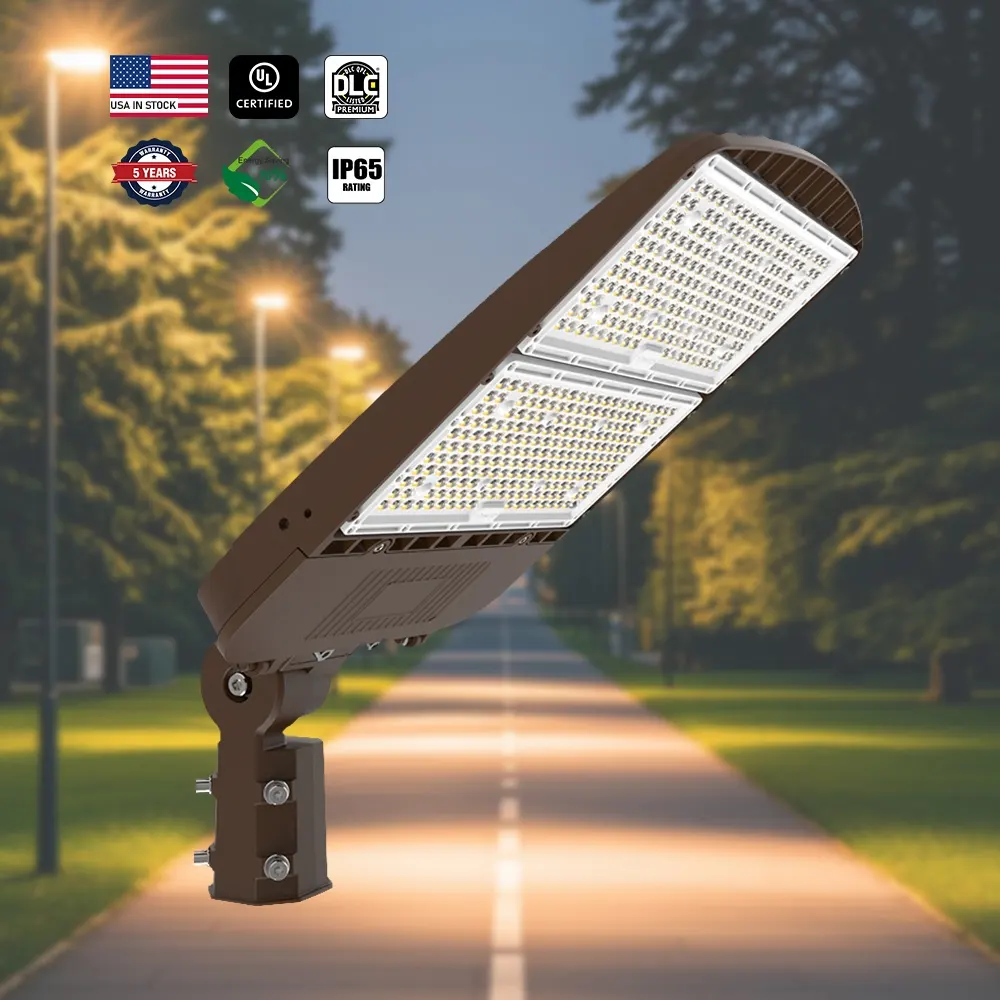
LED shoebox light technology represents a sophisticated evolution in outdoor lighting systems, characterized by its distinctive rectangular housing design that resembles a shoebox. This innovative lighting solution combines advanced LED semiconductor technology with precision-engineered optical systems to deliver exceptional illumination for large-scale outdoor applications. The technology has emerged as a cornerstone of modern outdoor lighting infrastructure, offering unprecedented energy efficiency, longevity, and performance capabilities that surpass traditional lighting methods by significant margins.
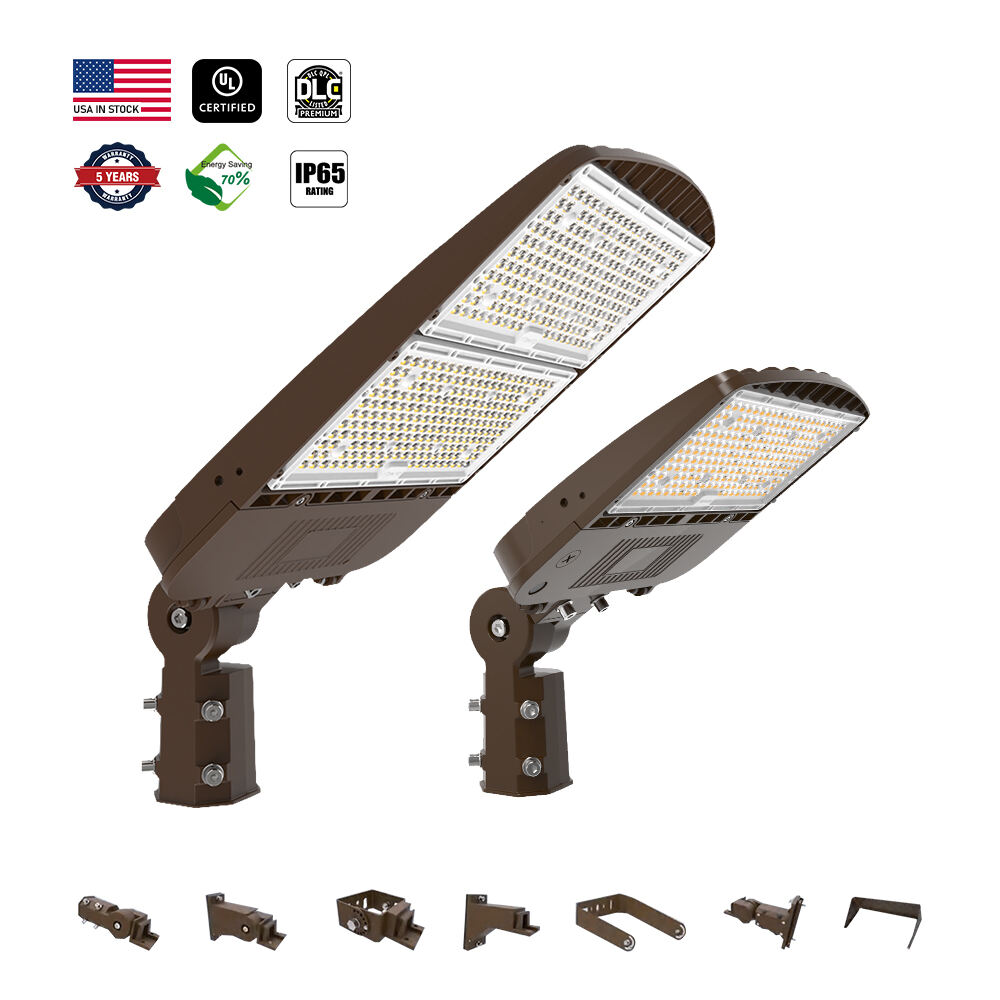
The fundamental architecture of LED shoebox light systems integrates multiple high-power light-emitting diodes within a weatherproof rectangular enclosure, creating uniform light distribution patterns optimized for area illumination. This technology leverages semiconductor principles where electrical current passes through specially designed diode junctions, producing photons that generate visible light with minimal heat production. The shoebox configuration enables efficient heat dissipation through strategically positioned thermal management systems, while the modular design allows for scalable lighting solutions across diverse outdoor environments and applications.
Core Technology Components and Architecture
LED Semiconductor Integration
The foundation of LED shoebox light technology rests on advanced semiconductor materials, primarily utilizing gallium nitride compounds that enable efficient conversion of electrical energy into visible light. These semiconductor junctions operate at specific wavelengths to produce targeted color temperatures ranging from warm white to daylight specifications. The integration process involves precision mounting of multiple LED chips onto thermally conductive substrates, ensuring optimal heat transfer and maintaining consistent performance throughout the operational lifespan of the led shoebox light system.
Modern implementations incorporate chip-on-board technology that enhances luminous efficacy while reducing thermal resistance between the LED junction and the heat sink assembly. This configuration enables higher power densities within the compact shoebox form factor, allowing each unit to deliver substantial light output measured in thousands of lumens. The semiconductor design also includes built-in protection circuits that prevent overcurrent conditions and voltage fluctuations from damaging the sensitive LED components.
Optical System Design
The optical architecture of LED shoebox light systems employs precision-molded lenses and reflector assemblies to control light distribution patterns with remarkable accuracy. These optical components are engineered to maximize photometric efficiency while minimizing glare and light pollution in surrounding areas. The lens systems typically feature asymmetric designs that direct light downward and outward in controlled patterns, optimizing coverage areas while maintaining uniform illumination levels across the target zone.
Advanced optical designs incorporate total internal reflection principles to capture and redirect light that would otherwise be lost to internal absorption or unwanted scatter. This technology enables led shoebox light systems to achieve exceptional optical efficiency ratings exceeding traditional lighting technologies by substantial margins, translating directly into reduced energy consumption and operational costs.
Thermal Management and Performance Optimization
Heat Dissipation Systems
Effective thermal management represents a critical aspect of LED shoebox light technology, as LED performance and lifespan directly correlate with junction temperature control. The shoebox housing design facilitates superior heat dissipation through enlarged surface areas and strategic fin configurations that maximize convective cooling. These thermal systems typically incorporate high-conductivity aluminum alloys with specialized surface treatments that enhance heat transfer coefficients while providing corrosion resistance in outdoor environments.
The thermal architecture includes heat pipes and vapor chamber technologies in high-performance applications, enabling rapid heat transfer from LED junction points to external cooling surfaces. This sophisticated thermal management allows LED shoebox light systems to maintain optimal operating temperatures even under extreme ambient conditions, preserving photometric performance and extending operational lifespans beyond conventional lighting alternatives.
Power Management and Control Systems
Modern LED shoebox light technology incorporates intelligent power management systems that regulate electrical input to maintain consistent light output while optimizing energy efficiency. These control systems feature constant current drivers that automatically adjust voltage levels to compensate for temperature variations and component aging, ensuring stable performance throughout the product lifecycle. The power management architecture also includes surge protection and power factor correction capabilities that enhance system reliability and grid compatibility.
Smart control integration enables remote monitoring and adjustment of LED shoebox light systems through wireless communication protocols, allowing facility managers to optimize lighting schedules and intensity levels based on usage patterns and environmental conditions. This connectivity also facilitates predictive maintenance capabilities that identify potential issues before they impact lighting performance or require emergency repairs.
Application Environments and Performance Characteristics
Outdoor Area Illumination Applications
LED shoebox light technology excels in large-scale outdoor illumination applications where uniform light distribution and energy efficiency are paramount considerations. These systems are particularly effective in parking lots, sports facilities, industrial complexes, and commercial outdoor areas that require consistent illumination levels across extensive coverage zones. The technology delivers superior performance in applications requiring high lumen output with precise photometric control, enabling facility operators to meet specific lighting standards while minimizing energy consumption.
The robust construction of LED shoebox light systems makes them ideal for challenging environmental conditions, including extreme temperature variations, moisture exposure, and vibration resistance requirements. These fixtures maintain consistent performance in applications ranging from coastal installations with salt air exposure to industrial environments with chemical vapors and dust contamination.
Energy Efficiency and Environmental Benefits
The energy efficiency characteristics of LED shoebox light technology represent significant advantages over traditional lighting alternatives, typically achieving luminous efficacy ratings exceeding 140 lumens per watt in optimized configurations. This efficiency translates into substantial reductions in electrical consumption, with many installations experiencing energy savings of sixty to eighty percent compared to metal halide or high-pressure sodium alternatives. The reduced energy requirements also contribute to lower carbon emissions and operational costs throughout the system lifecycle.
Environmental benefits extend beyond energy efficiency to include mercury-free construction, reduced light pollution through precise optical control, and extended operational lifespans that minimize waste generation. LED shoebox light systems typically operate for fifty thousand hours or more before requiring replacement, significantly reducing maintenance requirements and disposal impacts compared to conventional lighting technologies.
Installation and Integration Considerations
Mounting and Infrastructure Requirements
LED shoebox light installation requires careful consideration of mounting heights, spacing intervals, and electrical infrastructure to achieve optimal performance and coverage. The technology is designed for standard pole mounting configurations, with adjustable mounting hardware that accommodates various pole diameters and mounting angles. Proper installation ensures adequate clearance for thermal ventilation while maintaining accessibility for routine maintenance activities.
Electrical integration involves coordination with existing power distribution systems, including appropriate circuit protection and control interfaces. LED shoebox light systems typically operate at standard line voltages with integrated drivers that eliminate the need for external ballasts or transformers, simplifying installation requirements and reducing system complexity.
Maintenance and Lifecycle Management
The maintenance requirements of LED shoebox light technology are substantially reduced compared to traditional lighting systems, primarily due to the extended operational lifespan and robust construction of LED components. Routine maintenance typically involves periodic cleaning of optical surfaces and inspection of mounting hardware, with component replacements occurring at intervals measured in decades rather than years.
Lifecycle management benefits include predictable performance degradation curves that enable proactive replacement planning and warranty programs that provide long-term cost protection. The modular design of modern LED shoebox light systems also facilitates selective component replacement when upgrades or repairs become necessary, extending overall system lifespans and protecting infrastructure investments.
FAQ
How does LED shoebox light technology differ from traditional outdoor lighting systems?
LED shoebox light technology differs fundamentally from traditional systems through its semiconductor-based light generation, which produces illumination through electrical current passing through diode junctions rather than heating filaments or exciting gas-filled chambers. This approach eliminates warm-up periods, enables instant on-off cycling, and achieves energy efficiency levels sixty to eighty percent higher than metal halide or high-pressure sodium alternatives while providing superior light quality and control.
What factors determine the optimal power rating for LED shoebox light applications?
Optimal power ratings for LED shoebox light installations depend on mounting height, coverage area requirements, ambient lighting conditions, and specific illumination standards for the application. Higher mounting heights typically require increased wattage to maintain adequate ground-level illumination, while applications with reflective surfaces or existing ambient light may operate effectively with lower power ratings. Professional photometric analysis ensures appropriate power selection for specific installation requirements.
How long can LED shoebox light systems operate before requiring replacement?
Quality LED shoebox light systems typically operate for fifty thousand to one hundred thousand hours before reaching seventy percent of initial light output, translating to operational lifespans of fifteen to twenty-five years under normal operating conditions. Actual lifespan depends on factors including ambient temperature, operating hours per day, and quality of thermal management systems. This extended operational life significantly reduces replacement frequency and maintenance costs compared to traditional lighting technologies.
Are LED shoebox light systems compatible with existing outdoor lighting infrastructure?
Most LED shoebox light systems are designed for compatibility with existing outdoor lighting infrastructure, including standard mounting poles, electrical connections, and control systems. The integrated driver design eliminates requirements for external ballasts or transformers, often simplifying retrofit installations. However, electrical load calculations may require updates to accommodate the reduced power consumption of LED systems, and dimming compatibility should be verified when integrating with existing control systems.
Table of Contents
- Core Technology Components and Architecture
- Thermal Management and Performance Optimization
- Application Environments and Performance Characteristics
- Installation and Integration Considerations
-
FAQ
- How does LED shoebox light technology differ from traditional outdoor lighting systems?
- What factors determine the optimal power rating for LED shoebox light applications?
- How long can LED shoebox light systems operate before requiring replacement?
- Are LED shoebox light systems compatible with existing outdoor lighting infrastructure?