EN
EN



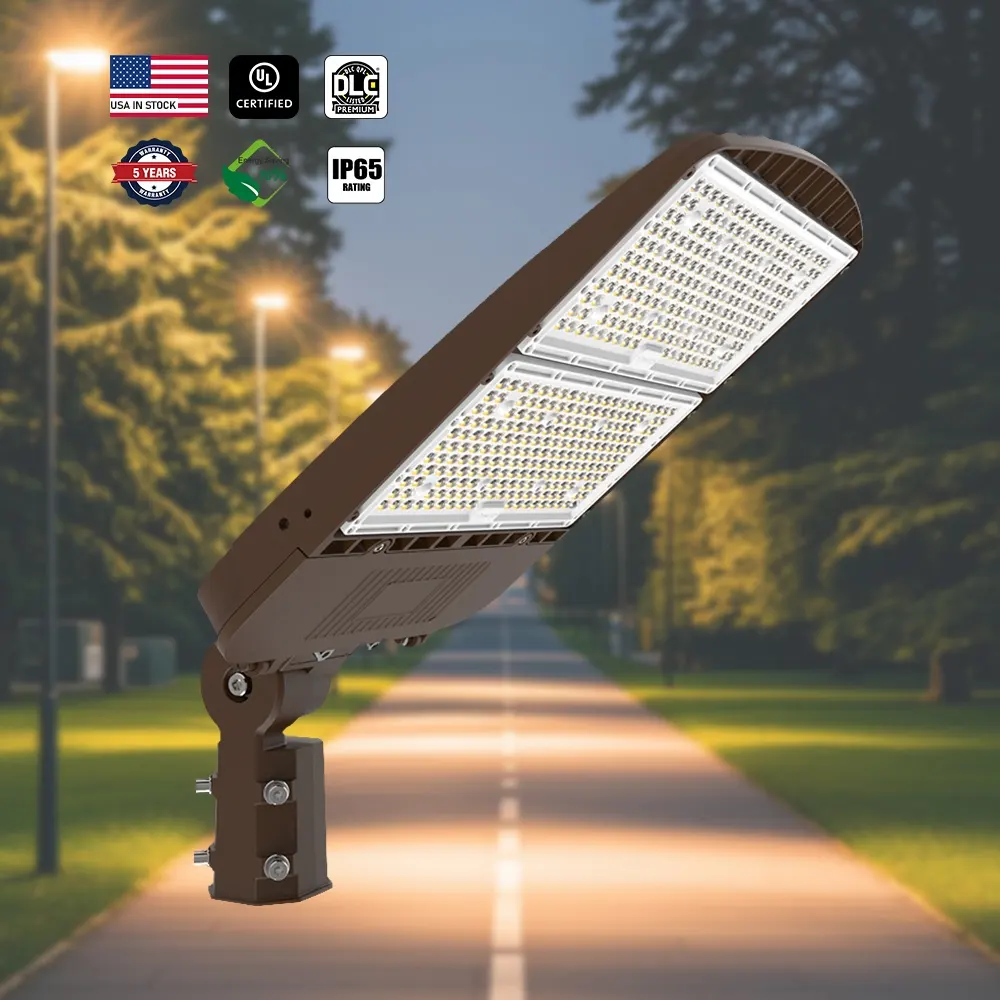
Finding reliable sources for quality LED shoebox light fixtures in 2026 requires understanding the evolving landscape of commercial lighting suppliers and distribution channels. With increasing demand for energy-efficient outdoor lighting solutions, the market has expanded beyond traditional electrical wholesalers to include specialized online platforms, direct manufacturers, and hybrid distribution models that cater to different procurement needs and project scales.
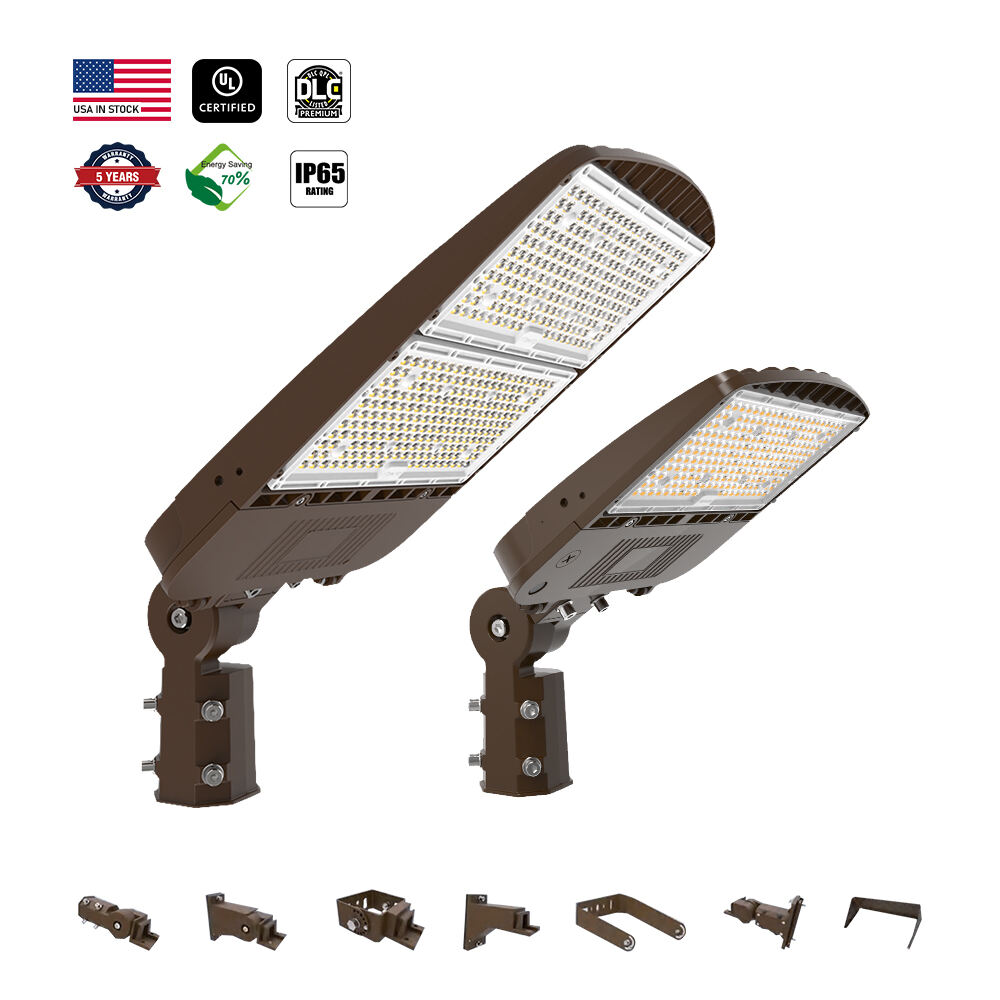
The purchasing landscape for LED shoebox light systems has transformed significantly, with buyers now having access to multiple channels that offer varying levels of technical support, warranty coverage, and pricing structures. Professional lighting specifiers and facility managers must navigate this diverse marketplace while ensuring they secure authentic products that meet performance specifications and regulatory compliance requirements for their specific applications.
Direct Manufacturer Channels
Factory-Direct Online Platforms
Manufacturing companies now offer direct-to-customer sales through sophisticated online platforms that provide comprehensive product catalogs, technical specifications, and real-time inventory status. These platforms typically feature advanced filtering systems that allow buyers to specify their LED shoebox light requirements based on wattage, lumen output, color temperature, and mounting configurations. Direct manufacturer channels often provide the most competitive pricing for bulk orders while ensuring product authenticity and full warranty coverage.
Professional buyers can access detailed photometric data, installation guides, and compatibility information directly from the source, eliminating concerns about counterfeit products or specification misrepresentation. Many manufacturers have invested heavily in customer service infrastructure to support technical inquiries and provide application-specific recommendations for LED shoebox light installations across different facility types and environmental conditions.
Manufacturer Representative Networks
Established lighting manufacturers maintain networks of authorized representatives who serve specific geographic regions and market segments. These representatives provide local support for LED shoebox light selection, project consultation, and post-installation service requirements. Working through manufacturer representatives often provides access to volume pricing tiers and customization options that may not be available through other channels.
Regional representatives typically maintain relationships with local electrical contractors and can coordinate delivery schedules to align with project timelines. They also serve as valuable resources for understanding local code requirements and utility rebate programs that may affect LED shoebox light procurement decisions and overall project economics.
Specialized Commercial Lighting Distributors
National Electrical Wholesalers
Major electrical distribution companies have expanded their LED shoebox light inventory to meet growing demand from commercial and industrial customers. These distributors often maintain relationships with multiple manufacturers, providing buyers with comparative options and the ability to source different components from a single supplier. National distributors typically offer established credit terms, freight management services, and standardized return policies that simplify procurement processes.
The logistics capabilities of national distributors enable efficient delivery to multiple project sites and can accommodate both standard stock items and special-order LED shoebox light configurations. Many distributors have developed online ordering systems with real-time pricing and availability information, making it easier for buyers to manage ongoing procurement needs and track order status throughout the fulfillment process.
Lighting Specialty Houses
Specialized lighting distributors focus exclusively on illumination products and typically offer deeper technical expertise than general electrical wholesalers. These companies often maintain extensive LED shoebox light inventories and can provide detailed application guidance based on specific use cases and environmental requirements. Lighting specialty houses frequently offer value-added services such as photometric analysis, energy savings calculations, and rebate program assistance.
The technical staff at lighting specialty distributors typically includes certified lighting professionals who can assist with product selection, specification development, and compatibility verification. This expertise becomes particularly valuable when retrofitting existing installations or addressing unique mounting and performance requirements that may require customized led shoebox light solutions.
Online Marketplaces and E-commerce Platforms
Industrial Supply Platforms
Business-to-business e-commerce platforms have emerged as significant channels for LED shoebox light procurement, offering extensive product catalogs from multiple manufacturers with competitive pricing and streamlined ordering processes. These platforms typically feature advanced search capabilities, detailed product comparisons, and user reviews that help buyers evaluate different options and make informed decisions.
Industrial supply platforms often provide integration capabilities with procurement systems and offer features such as contract pricing, approval workflows, and spend analytics that appeal to larger organizations. The convenience of online ordering combined with professional-grade customer service makes these platforms increasingly attractive for routine LED shoebox light replacement and expansion projects.
Manufacturer Marketplaces
Some lighting manufacturers operate their own marketplace platforms that feature products from multiple brands while maintaining quality standards and warranty consistency. These curated marketplaces provide buyers with confidence in product authenticity while offering the convenience of comparing different LED shoebox light options from a single interface.
Manufacturer-operated marketplaces often include exclusive products, early access to new technologies, and bundled solutions that combine LED shoebox light fixtures with compatible controls and accessories. The technical support available through these channels typically reflects the combined expertise of multiple manufacturers, providing comprehensive assistance for complex installations and system integration requirements.
Regional and Local Suppliers
Regional Electrical Distributors
Local and regional electrical distributors continue to serve important roles in LED shoebox light distribution, particularly for projects requiring immediate availability, local technical support, or established contractor relationships. These distributors often maintain inventory of popular LED shoebox light models and can expedite special orders through their manufacturer relationships.
Regional distributors frequently offer personalized service and flexible terms that may not be available from larger suppliers. Their local presence enables face-to-face consultation, product demonstrations, and immediate problem resolution that can be valuable for complex projects or when technical issues arise during installation.
Contractor Supply Houses
Electrical contractor supply houses have adapted their inventory and services to meet growing demand for LED shoebox light products. These suppliers typically understand local installation practices and can provide guidance on compatible accessories, mounting hardware, and installation techniques specific to regional conditions and building codes.
The relationship-based nature of contractor supply houses often results in flexible pricing, extended payment terms, and priority service during peak construction seasons. Many have developed expertise in LED shoebox light applications and can provide valuable insights into product performance and reliability based on feedback from local installation teams.
Procurement Considerations and Best Practices
Quality Verification Processes
Regardless of the chosen purchasing channel, buyers must implement verification processes to ensure LED shoebox light products meet specified performance and quality standards. This includes confirming certifications such as DLC listing, Energy Star qualification, and compliance with relevant safety standards. Reputable suppliers should readily provide documentation of testing and certification status.
Quality verification extends beyond initial product specifications to include warranty terms, replacement part availability, and long-term technical support commitments. Buyers should evaluate the supplier's track record for honoring warranty claims and providing ongoing support throughout the expected lifespan of LED shoebox light installations.
Total Cost of Ownership Analysis
Effective LED shoebox light procurement requires evaluating total cost of ownership rather than focusing solely on initial purchase price. This analysis should include energy consumption, maintenance requirements, warranty coverage, and expected service life to determine the most cost-effective supplier and product combination for specific applications.
Different suppliers may offer varying levels of technical support, installation assistance, and maintenance services that can significantly impact total ownership costs. Buyers should consider these factors when comparing LED shoebox light options and selecting procurement channels that align with their operational capabilities and long-term maintenance strategies.
FAQ
What certifications should I verify when purchasing LED shoebox light fixtures?
Essential certifications include DLC Premium listing for utility rebate eligibility, UL or ETL safety certification for electrical compliance, and Energy Star qualification for federal tax incentive programs. Additionally, verify IP65 or higher ingress protection ratings for outdoor installations and ensure compliance with local electrical codes and zoning requirements.
How can I ensure I'm buying authentic LED shoebox light products?
Purchase from authorized distributors or directly from manufacturers, verify serial numbers and certification labels, and request documentation of authenticity. Be cautious of significantly below-market pricing, which often indicates counterfeit products. Reputable suppliers will provide certificates of authenticity and maintain clear warranty policies.
What factors should influence my choice between online and local LED shoebox light suppliers?
Consider project timeline, technical support requirements, installation complexity, and ongoing maintenance needs. Online suppliers often offer competitive pricing and extensive selection, while local suppliers provide immediate availability, hands-on support, and established contractor relationships. For complex installations, local technical support may justify higher initial costs.
Are there seasonal considerations for LED shoebox light procurement timing?
Spring and early summer typically see increased demand and potential supply constraints due to construction season activity. Planning purchases during winter months often provides better availability and pricing. Consider utility rebate program cycles, which may offer enhanced incentives during specific periods, and account for potential shipping delays during peak seasons.
Table of Contents
- Direct Manufacturer Channels
- Specialized Commercial Lighting Distributors
- Online Marketplaces and E-commerce Platforms
- Regional and Local Suppliers
- Procurement Considerations and Best Practices
-
FAQ
- What certifications should I verify when purchasing LED shoebox light fixtures?
- How can I ensure I'm buying authentic LED shoebox light products?
- What factors should influence my choice between online and local LED shoebox light suppliers?
- Are there seasonal considerations for LED shoebox light procurement timing?