EN
EN



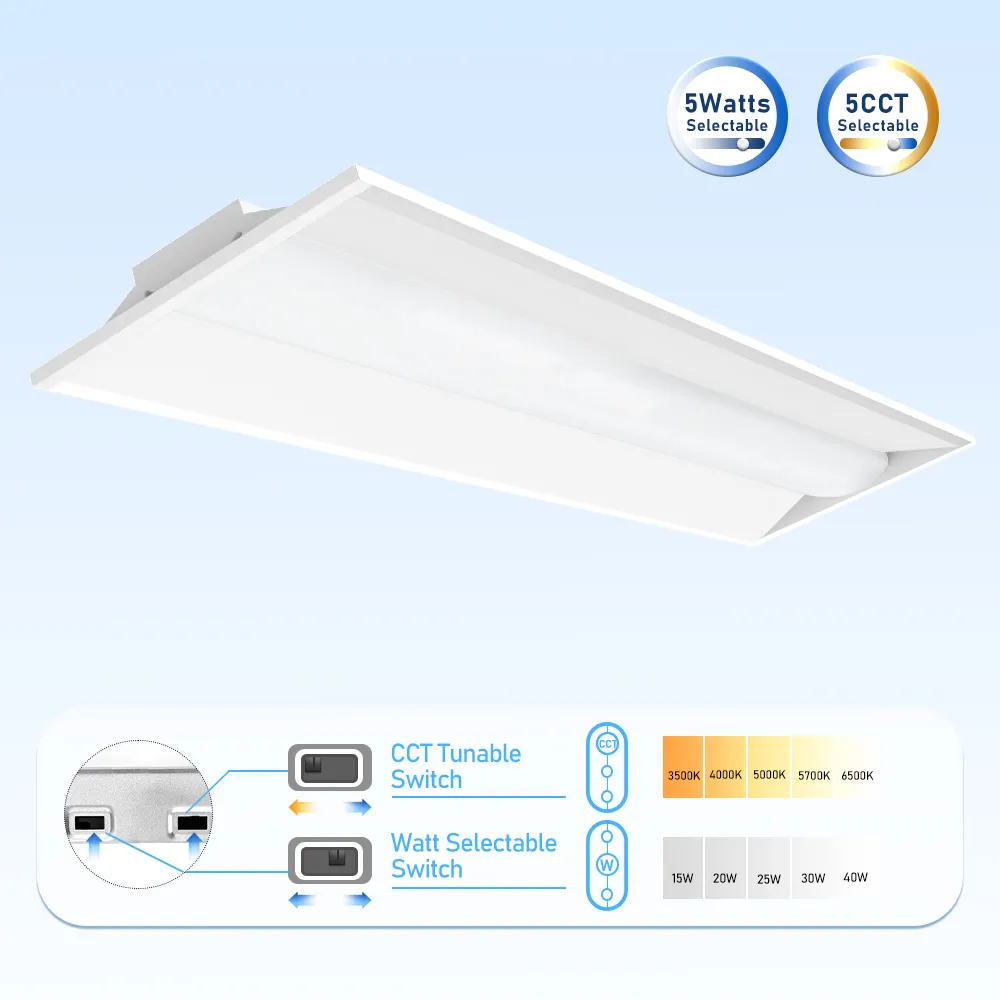
Determining the optimal timing for installing LED flat panel lights in your office environment requires careful consideration of multiple factors including current lighting conditions, operational costs, and business objectives. The decision to upgrade to LED flat panel light systems should align with strategic planning cycles, budget availability, and facility maintenance schedules to maximize return on investment and minimize disruption to daily operations.
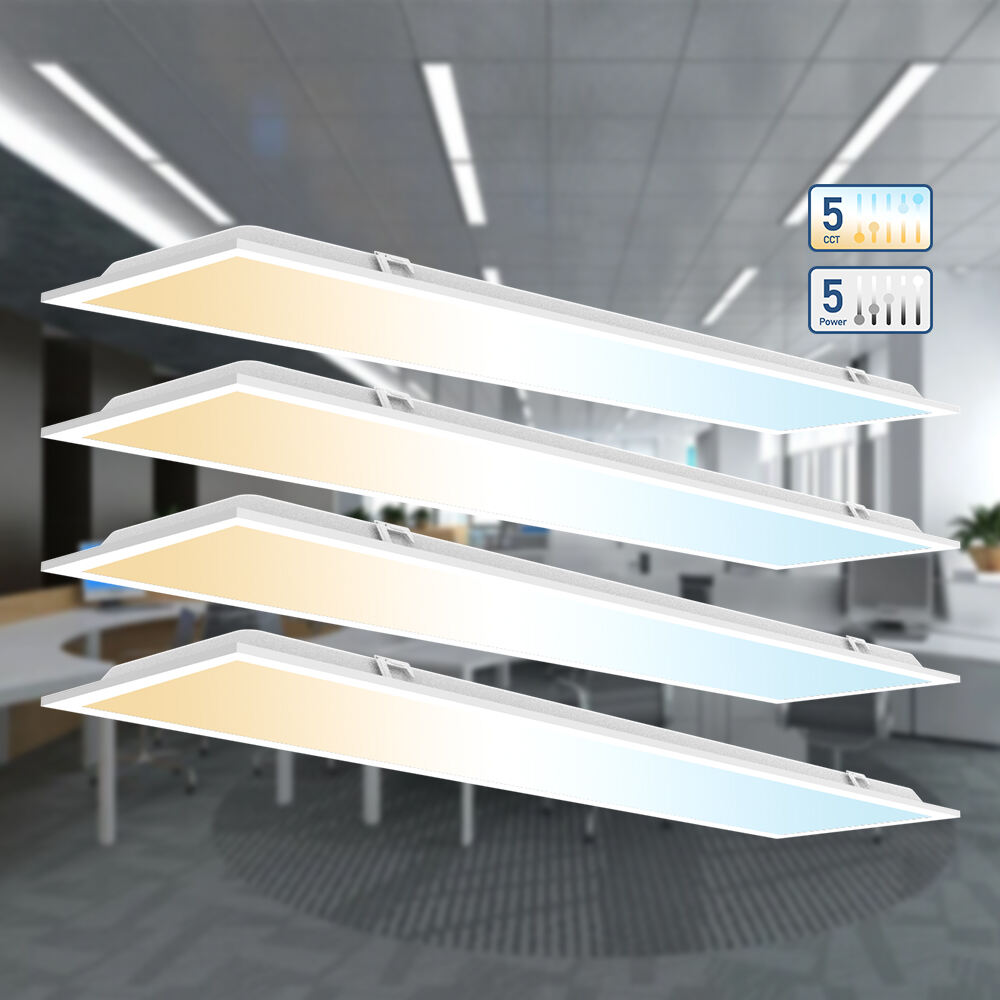
Professional lighting consultants recommend evaluating office lighting replacement during specific operational windows when the benefits of LED flat panel light installation outweigh the temporary inconvenience of the upgrade process. Understanding these timing indicators helps facility managers make informed decisions that enhance workplace productivity while achieving long-term energy savings and improved lighting quality throughout the office environment.
Signs Your Office Needs LED Flat Panel Light Upgrades
Declining Performance Indicators
Office environments typically exhibit clear warning signs when existing lighting systems require replacement with modern LED flat panel light solutions. Flickering fluorescent fixtures, inconsistent illumination levels, and frequent bulb replacements indicate that traditional lighting has reached the end of its effective operational life. These performance issues directly impact employee productivity and create unnecessary maintenance burdens for facility management teams.
Energy consumption analysis reveals another critical indicator for LED flat panel light installation timing. When monthly electricity bills show consistent increases due to lighting expenses, or when existing fixtures require more than three bulb replacements per year, the cost-benefit analysis strongly favors immediate upgrade to energy-efficient LED technology. Professional energy audits can quantify these savings and establish clear upgrade timelines.
Visual comfort complaints from employees provide additional evidence supporting LED flat panel light installation decisions. Workers experiencing eye strain, headaches, or difficulty reading documents under current lighting conditions indicate inadequate illumination quality that modern LED systems can effectively address through superior light distribution and color rendering capabilities.
Regulatory and Compliance Considerations
Building codes and energy efficiency regulations increasingly mandate minimum lighting performance standards that older fluorescent systems cannot meet. When local authorities implement new lighting efficiency requirements, office managers must schedule LED flat panel light installations to maintain regulatory compliance and avoid potential penalties or certification issues.
Occupational safety standards also influence LED flat panel light upgrade timing, particularly in offices where inadequate lighting creates safety hazards or fails to meet workplace illumination requirements. OSHA guidelines specify minimum footcandle levels for different office activities, and non-compliant lighting systems require immediate attention to protect employee welfare and organizational liability.
Green building certification programs like LEED provide additional incentives for timely LED flat panel light installation, as energy-efficient lighting contributes significantly to sustainability ratings and potential tax benefits. Organizations pursuing environmental certifications should coordinate lighting upgrades with certification timelines to maximize point accumulation and recognition benefits.
Optimal Installation Timing Strategies
Budget Cycle Alignment
Strategic LED flat panel light installation should coincide with annual budget planning cycles to ensure adequate funding allocation and approval processes. Most organizations benefit from scheduling lighting upgrades during the first or second quarter of their fiscal year when capital expenditure budgets remain available and procurement processes operate efficiently.
Rebate and incentive program timing significantly impacts LED flat panel light installation costs, as utility companies and government agencies often provide seasonal incentives for energy-efficient upgrades. These programs typically operate on calendar year schedules, with applications processed most efficiently during specific enrollment periods that vary by jurisdiction and utility provider.
Tax advantage considerations also influence optimal LED flat panel light installation timing, particularly regarding depreciation schedules and energy efficiency tax credits. Installing systems before year-end allows organizations to claim full-year depreciation benefits and qualify for available tax incentives that may expire or change in subsequent tax years.
Operational Window Selection
Office occupancy patterns determine the most appropriate timing for LED flat panel light installation projects to minimize business disruption. Low-occupancy periods such as holiday seasons, summer vacation schedules, or planned office relocations provide ideal installation windows that allow contractors to work efficiently without interfering with daily operations.
Weekend and evening installation schedules accommodate normal business hours while providing sufficient time for proper LED flat panel light installation and testing procedures. Professional installation teams can typically complete office lighting upgrades during extended weekend periods, ensuring systems are fully operational before employees return to work on Monday morning.
Coordination with other building maintenance activities creates synergistic opportunities for LED flat panel light installation during planned electrical work, ceiling repairs, or HVAC maintenance projects. This integrated approach reduces overall disruption while potentially lowering installation costs through shared contractor mobilization and workspace preparation.
Business Impact and ROI Considerations
Productivity Enhancement Timing
Research demonstrates that LED flat panel light installation produces immediate productivity benefits through improved visual comfort and reduced eye strain among office workers. Organizations planning major projects, client presentations, or increased work demands should prioritize lighting upgrades to support enhanced employee performance during critical business periods.
Seasonal affective considerations make late summer or early fall optimal timing for led flat panel light installation, as improved lighting quality helps combat reduced natural daylight during winter months. This proactive approach supports employee wellness and maintains productivity levels throughout darker seasonal periods when artificial lighting becomes more critical for workplace effectiveness.
Employee recruitment and retention efforts benefit from LED flat panel light upgrades that demonstrate organizational commitment to workplace quality and environmental responsibility. Companies experiencing high turnover or planning expansion should prioritize lighting improvements as part of comprehensive workplace enhancement strategies that attract and retain quality personnel.
Long-term Cost Analysis
LED flat panel light systems typically achieve payback periods between two and four years depending on usage patterns, energy costs, and maintenance savings. Organizations should calculate these returns based on current electricity rates and projected increases to determine optimal installation timing that maximizes financial benefits over the system lifespan.
Maintenance cost reduction represents a significant advantage of LED flat panel light installation, as these systems require minimal servicing compared to traditional fluorescent fixtures. Planning upgrades before major maintenance contracts expire allows organizations to negotiate reduced service agreements that reflect lower maintenance requirements of LED technology.
Energy cost volatility makes early LED flat panel light installation increasingly attractive as a hedge against rising electricity prices. Organizations in regions experiencing rapid energy cost increases should accelerate lighting upgrade timelines to lock in savings before rates climb further and extend payback periods.
Installation Planning and Preparation
Project Scheduling Requirements
Professional LED flat panel light installation requires adequate lead time for equipment procurement, contractor scheduling, and necessary permits or approvals. Most commercial projects benefit from 4-6 week planning periods that allow proper coordination of all installation elements without rushing critical decisions or compromising quality standards.
Electrical infrastructure assessment must occur before LED flat panel light installation to ensure existing wiring and control systems can support new fixtures properly. This evaluation process typically requires 1-2 weeks and may reveal necessary upgrades that affect installation timing and budget requirements for comprehensive lighting system modernization.
Environmental considerations such as weather conditions, temperature requirements, and storage needs influence LED flat panel light installation scheduling. Indoor office installations are less weather-dependent than outdoor projects, but extreme temperatures during storage or installation can affect equipment performance and warranty coverage.
Coordination with Stakeholders
Employee communication strategies ensure smooth LED flat panel light installation processes by preparing staff for temporary disruptions and explaining benefits of the lighting upgrade project. Advance notice allows employees to plan around installation schedules and reduces complaints or productivity concerns during the upgrade process.
Building management coordination becomes essential for LED flat panel light installation in leased office spaces, as property owners may require specific approval processes, insurance documentation, or contractor certification requirements. Early engagement with building management prevents delays and ensures compliance with lease agreements and building policies.
IT system integration planning addresses LED flat panel light compatibility with building automation systems, occupancy sensors, and daylight harvesting controls. Modern LED systems offer advanced connectivity options that require coordination with IT departments to maximize energy savings and operational efficiency through intelligent lighting management.
FAQ
How long does LED flat panel light installation take in a typical office?
Most LED flat panel light installation projects in standard office environments require 1-3 days depending on the number of fixtures and complexity of electrical work. Simple fixture replacements in drop ceiling applications can often be completed in one day, while installations requiring new wiring or control system integration may take longer. Professional contractors typically install 20-30 LED flat panel lights per day in optimal conditions.
Can LED flat panel lights be installed during normal business hours?
LED flat panel light installation can occur during business hours with proper planning and communication, though some electrical work may require temporary power interruptions. Many contractors prefer evening or weekend schedules to minimize disruption and allow for thorough testing without affecting employee productivity. The installation process generates minimal noise and dust compared to other construction activities.
What factors determine the urgency of LED flat panel light replacement?
Safety concerns, regulatory compliance issues, and significant maintenance costs create urgent needs for LED flat panel light installation regardless of budget cycles or preferred timing. Flickering lights that cause employee discomfort, fixtures with visible damage or electrical issues, and systems failing to meet building code requirements should be addressed immediately to prevent safety hazards and potential liability issues.
Do LED flat panel lights require special electrical modifications?
Most LED flat panel light installations can utilize existing electrical infrastructure designed for fluorescent fixtures, though some applications benefit from new dimming controls or occupancy sensors. Ballast bypass installations require rewiring to connect LED drivers directly to line voltage, while ballast-compatible LED panels can use existing fluorescent ballasts temporarily. Professional electrical assessment determines the optimal approach for each specific installation situation.