EN
EN



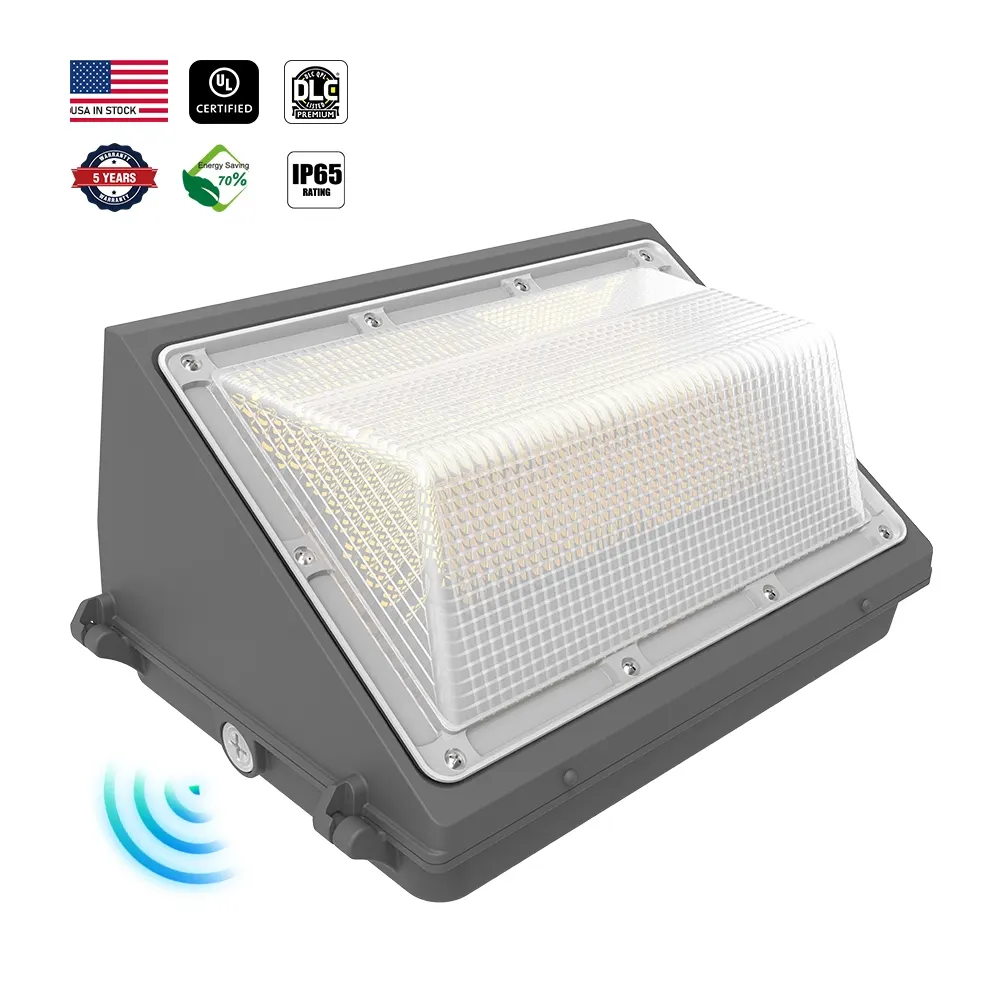
The lighting industry continues to evolve rapidly, and wall pack LED lights have emerged as one of the most compelling investment choices for commercial and industrial properties in 2026. These versatile outdoor lighting fixtures offer unprecedented value through technological advancements, energy efficiency improvements, and enhanced durability features that weren't available in previous generations. Understanding what makes modern wall pack LED lights worth buying requires examining their unique benefits, cost-effectiveness, and practical applications in today's demanding business environment.
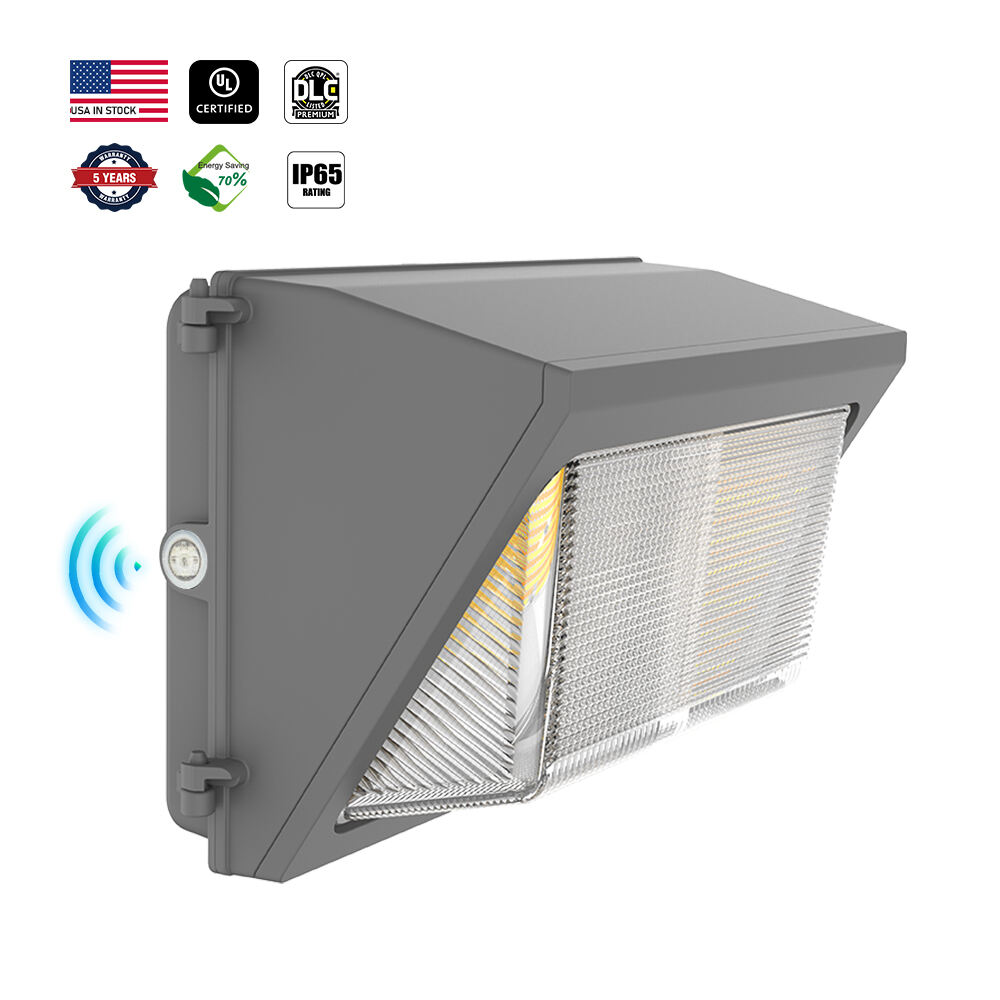
The 2026 market presents exceptional opportunities for facility managers and property owners to upgrade their exterior lighting systems with advanced wall pack LED lights that deliver superior performance and long-term value. Modern units combine cutting-edge LED technology with smart features, weatherproof construction, and flexible mounting options that address the diverse needs of warehouses, parking areas, building perimeters, and security applications. The investment case for these fixtures has never been stronger, driven by improved efficiency ratings, extended lifespans, and reduced maintenance requirements that translate into measurable operational savings.
Advanced Technology Features That Justify Investment
Smart Control Integration and Dimming Capabilities
Modern wall pack LED lights incorporate sophisticated control systems that enable precise lighting management and energy optimization. These fixtures feature programmable dimming functions, motion sensor integration, and daylight harvesting capabilities that automatically adjust output based on ambient conditions and occupancy patterns. The ability to customize lighting schedules and intensity levels provides significant energy savings while maintaining optimal illumination for security and operational requirements.
The integration of wireless connectivity and IoT compatibility allows facility managers to monitor and control multiple wall pack LED lights from centralized management platforms. This technology enables real-time performance monitoring, predictive maintenance alerts, and remote troubleshooting capabilities that reduce operational overhead and minimize downtime. Advanced units can also integrate with building automation systems, creating seamless coordination between exterior lighting and other facility systems.
Enhanced Optical Performance and Light Distribution
The 2026 generation of wall pack LED lights features dramatically improved optical designs that maximize light utilization while minimizing light pollution and glare. Precision-engineered lens systems and reflector configurations ensure uniform light distribution across target areas, eliminating dark spots and reducing the need for additional fixtures. These optical improvements translate into better visibility, enhanced security coverage, and more efficient use of electrical power.
Color temperature flexibility represents another significant advancement, with many wall pack LED lights offering selectable color temperatures ranging from warm white to daylight settings. This adaptability allows users to optimize lighting conditions for specific applications, whether prioritizing security surveillance, employee comfort, or aesthetic appeal. The improved color rendering capabilities also enhance visibility and safety in outdoor environments.
Robust Construction and Environmental Resilience
Contemporary wall pack LED lights incorporate advanced materials and construction techniques that deliver exceptional durability in challenging environmental conditions. High-grade aluminum housings with corrosion-resistant finishes, impact-resistant polycarbonate lenses, and IP65 or higher waterproof ratings ensure reliable operation in extreme weather conditions, industrial environments, and coastal locations with salt exposure.
Thermal management systems have also improved significantly, with enhanced heat dissipation designs that maintain optimal LED operating temperatures even in high-ambient temperature conditions. This thermal optimization extends LED lifespan, maintains consistent light output, and prevents premature failure that can compromise security and operational requirements. The combination of superior materials and engineering makes modern units virtually maintenance-free for extended periods.
Economic Benefits and Return on Investment
Energy Efficiency and Utility Cost Reduction
The most compelling financial argument for investing in wall pack LED lights lies in their exceptional energy efficiency and resulting utility cost savings. Modern units achieve luminous efficacy ratings exceeding 140 lumens per watt, representing a significant improvement over older LED generations and traditional lighting technologies. This efficiency translates into immediate reductions in electricity consumption, with typical savings ranging from 60% to 80% compared to legacy fixtures.
Demand response capabilities and programmable control features enable further energy savings by automatically adjusting power consumption during peak utility rate periods. Smart dimming functions can reduce energy usage by an additional 20% to 40% during low-activity periods without compromising security or safety requirements. These operational efficiencies compound over time, generating substantial cost savings that often recover the initial investment within 18 to 24 months.
Utility rebate programs and energy efficiency incentives available in 2026 can further improve the investment economics for wall pack LED lights. Many utility companies and government agencies offer financial incentives for commercial LED lighting upgrades, including rebates based on energy savings, tax credits for energy-efficient equipment, and preferential financing terms for qualifying projects.
Maintenance Cost Elimination and Labor Savings
The extended lifespan of modern wall pack LED lights dramatically reduces maintenance requirements and associated labor costs compared to traditional lighting systems. Quality units now offer rated lifespans exceeding 100,000 hours, representing 15 to 20 years of typical operation before requiring replacement. This longevity eliminates frequent bulb changes, fixture repairs, and scheduled maintenance activities that consume significant facility management resources.
Reduced maintenance requirements translate into substantial labor cost savings, particularly for installations requiring specialized equipment or safety procedures to access fixtures. The elimination of ballast replacements, frequent lamp changes, and electrical component repairs allows maintenance teams to focus resources on other critical facility needs. These operational efficiencies become particularly valuable in facilities with multiple wall pack LED lights installations.
Property Value Enhancement and Tenant Satisfaction
Quality exterior lighting systems contribute significantly to property values and tenant satisfaction in commercial and industrial settings. Modern wall pack LED lights enhance building aesthetics, improve security perceptions, and demonstrate management commitment to energy efficiency and environmental responsibility. These factors can influence tenant retention rates, lease renewal terms, and property marketability in competitive real estate markets.
The professional appearance and consistent performance of LED wall pack fixtures create positive impressions for visitors, customers, and potential tenants. Improved lighting quality also supports security camera systems and surveillance equipment, enhancing overall property security and potentially reducing insurance premiums. These intangible benefits complement the direct financial returns from energy savings and maintenance reduction.
Environmental Impact and Sustainability Advantages
Carbon Footprint Reduction and Environmental Compliance
The environmental benefits of wall pack LED lights represent increasingly important considerations for organizations pursuing sustainability goals and environmental compliance objectives. LED technology inherently produces significantly lower carbon emissions compared to traditional lighting systems, both through reduced energy consumption and longer operational lifespans that minimize manufacturing and disposal impacts.
Corporate sustainability initiatives and environmental reporting requirements make energy-efficient lighting upgrades valuable components of comprehensive carbon reduction strategies. Wall pack LED lights can contribute measurably to LEED certification points, Energy Star compliance, and other green building standards that provide competitive advantages in modern commercial markets. The ability to document and report energy savings supports corporate social responsibility programs and stakeholder expectations.
Regulatory compliance considerations also favor LED adoption, as many jurisdictions implement lighting efficiency standards and restrictions on high-energy consumption fixtures. Proactive upgrades to efficient wall pack LED lights help organizations avoid compliance issues and potential penalties while positioning properties for future regulatory changes.
Waste Reduction and Lifecycle Benefits
The extended operational life of modern wall pack LED lights significantly reduces waste generation and disposal requirements compared to traditional lighting systems. The elimination of frequent lamp replacements, ballast changes, and component repairs minimizes the volume of waste materials requiring disposal and reduces the environmental impact of manufacturing replacement components.
LED technology also eliminates mercury and other hazardous materials commonly found in traditional lighting systems, simplifying disposal procedures and reducing environmental contamination risks. The solid-state construction of wall pack LED lights makes them more recyclable at end-of-life, supporting circular economy principles and sustainable waste management practices.
Practical Applications and Installation Advantages
Versatile Mounting Options and Retrofit Compatibility
Modern wall pack LED lights offer exceptional installation flexibility through versatile mounting systems and retrofit compatibility features that simplify upgrade projects. Adjustable mounting brackets accommodate various wall surfaces, conduit configurations, and architectural requirements without requiring extensive electrical modifications or structural changes. This flexibility reduces installation costs and project complexity while ensuring optimal fixture positioning.
Retrofit compatibility with existing electrical infrastructure eliminates the need for costly rewiring or electrical panel upgrades in many applications. Standard mounting patterns and electrical connections enable direct replacement of legacy fixtures, reducing installation time and minimizing disruption to ongoing operations. This compatibility makes wall pack LED lights practical upgrade options even for older facilities with limited electrical capacity.
Modular design features also support future expansion and reconfiguration requirements, allowing organizations to add or relocate fixtures as operational needs change. The ability to integrate additional units into existing control systems and power infrastructure provides scalability advantages that justify initial investment in quality wall pack led lights with growth potential.
Enhanced Security and Safety Features
The security and safety benefits of quality wall pack LED lights provide additional justification for investment beyond energy efficiency considerations. Consistent, high-quality illumination improves visibility for security cameras, personnel safety, and general surveillance activities. Motion sensor integration and programmable response features can enhance security coverage while conserving energy during unoccupied periods.
Instant-on capabilities and consistent color temperature output ensure reliable illumination for emergency situations and security responses. Unlike traditional lighting systems that may require warm-up periods or experience performance degradation over time, LED fixtures provide immediate full output and maintain consistent performance throughout their operational life. This reliability is crucial for applications where lighting failure could compromise safety or security.
Future-Proofing and Technology Evolution
Upgradeable Components and Modular Architecture
The 2026 generation of wall pack LED lights incorporates modular design principles that support future technology upgrades and component replacement without requiring complete fixture replacement. Separable driver modules, replaceable LED arrays, and upgradeable control systems enable organizations to benefit from future technological advances while preserving their initial infrastructure investment.
This modular approach provides protection against technology obsolescence and ensures long-term value retention. As LED efficiency continues to improve and control technology evolves, modular fixtures can be updated with newer components rather than requiring complete replacement. This upgrade capability extends the useful life of lighting investments and provides flexibility to adapt to changing operational requirements.
Integration with Emerging Technologies
Modern wall pack LED lights are designed with connectivity and integration capabilities that support emerging technologies and future applications. 5G network integration, edge computing capabilities, and sensor platform compatibility position these fixtures as components of comprehensive smart building systems rather than standalone lighting devices.
The ability to integrate additional sensors, communication equipment, and monitoring devices transforms wall pack LED lights into multifunctional infrastructure components that can support security systems, environmental monitoring, and facility management applications. This multi-purpose capability maximizes the value of installation investments and creates opportunities for additional operational benefits beyond basic illumination.
FAQ
How long do wall pack LED lights typically last compared to traditional fixtures?
Modern wall pack LED lights typically last 100,000 hours or more, representing 15-20 years of normal operation. This is significantly longer than traditional metal halide or high-pressure sodium fixtures, which typically require replacement every 2-4 years. The extended lifespan eliminates frequent maintenance and reduces long-term operating costs substantially.
What energy savings can I expect from upgrading to LED wall pack lights?
Energy savings from wall pack LED lights typically range from 60% to 80% compared to traditional lighting systems. Modern LED units achieve over 140 lumens per watt efficiency, and smart controls can provide additional 20-40% savings through dimming and scheduling features. Most installations see payback periods of 18-24 months through utility cost reductions.
Are wall pack LED lights suitable for harsh outdoor environments?
Yes, quality wall pack LED lights are specifically designed for harsh outdoor conditions with IP65 or higher waterproof ratings, corrosion-resistant materials, and impact-resistant construction. Advanced thermal management systems ensure reliable operation in extreme temperatures, while robust housings protect against environmental factors like salt spray, UV exposure, and physical impacts.
Can wall pack LED lights integrate with existing building management systems?
Modern wall pack LED lights offer extensive integration capabilities with building management systems through wireless connectivity, IoT protocols, and standard control interfaces. They can connect to centralized monitoring platforms, integrate with motion sensors and daylight controls, and participate in comprehensive facility automation systems for optimal energy management and operational efficiency.