EN
EN



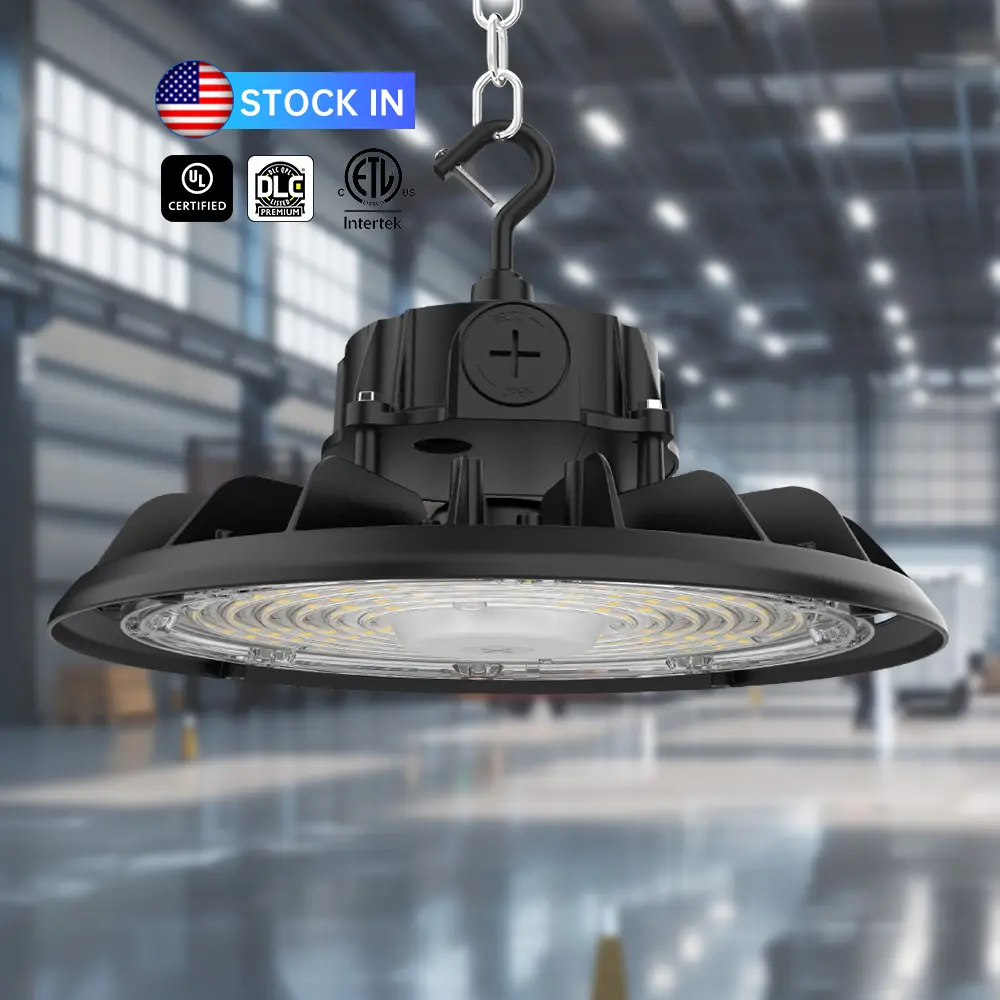
Determining the optimal replacement timing for your LED high bay light fixtures requires careful evaluation of performance indicators, operational costs, and facility requirements. While LED technology offers exceptional longevity compared to traditional lighting solutions, even the most advanced led high bay light systems eventually reach a point where replacement becomes more cost-effective than continued operation. Understanding the key signals that indicate replacement necessity helps facility managers make informed decisions that balance operational efficiency with budgetary constraints.
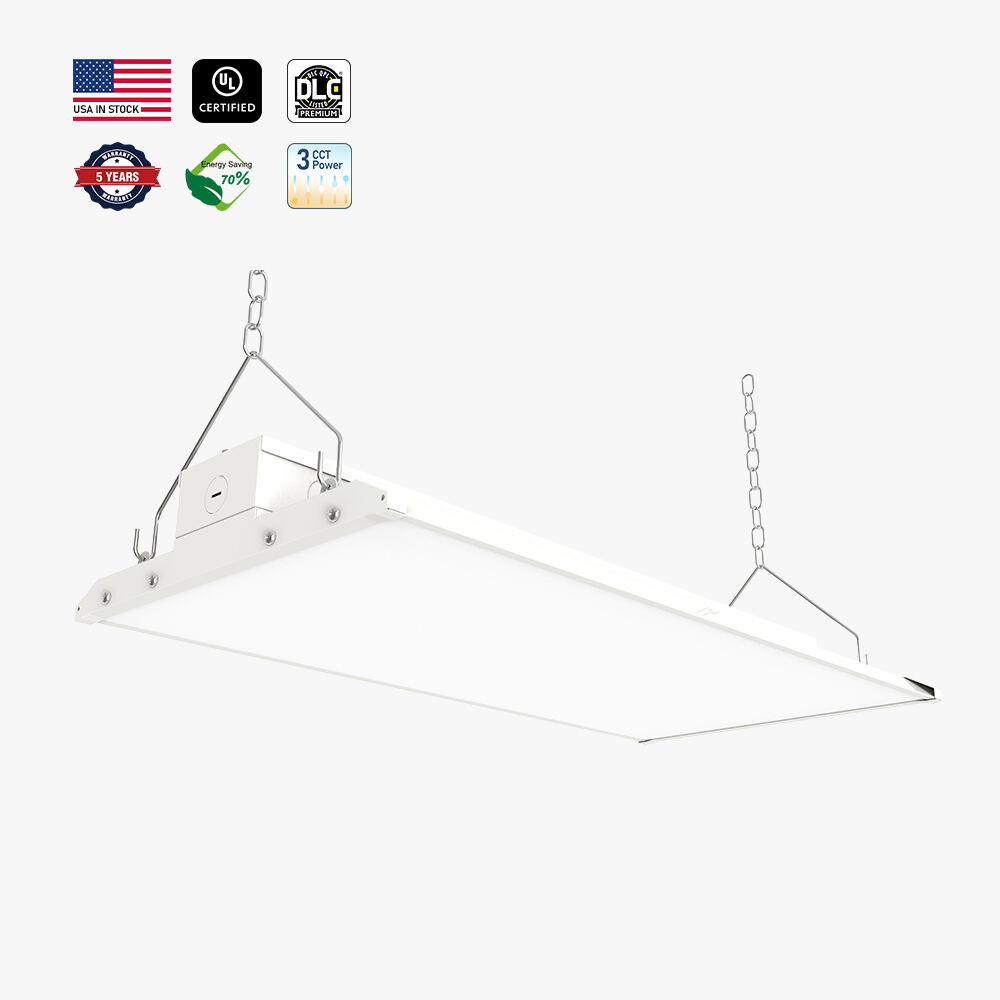
Industrial and commercial facilities depend on reliable illumination for safety, productivity, and regulatory compliance, making replacement timing decisions particularly critical. The strategic replacement of led high bay light fixtures involves analyzing multiple factors beyond simple fixture age, including light output degradation, maintenance frequency increases, energy efficiency changes, and evolving operational needs. Proper timing ensures continuous optimal lighting performance while maximizing return on investment through strategic capital expenditure planning.
Performance Degradation Indicators
Light Output Reduction Assessment
LED high bay light fixtures typically begin showing measurable light output reduction after operating for several years, though the degradation rate varies significantly based on operating conditions and fixture quality. Most commercial-grade led high bay light systems maintain approximately ninety percent of their initial light output for the first thirty thousand operating hours, after which degradation accelerates noticeably. Facilities should conduct regular photometric measurements to establish baseline performance and track gradual decline patterns over time.
Professional light meters provide accurate lux measurements that reveal when illumination levels fall below recommended standards for specific industrial applications. Manufacturing environments typically require maintained illumination levels between three hundred to one thousand lux depending on task requirements, while warehouse operations generally function effectively with two hundred to five hundred lux levels. When measured light levels consistently fall twenty percent below design specifications, replacement planning should commence immediately.
Visual inspection often reveals obvious signs of light output degradation, including noticeably dimmer work areas, increased shadows in previously well-lit zones, and employee complaints about inadequate lighting conditions. These subjective indicators, while less precise than photometric measurements, provide valuable early warning signals that warrant formal light output assessment and potential led high bay light replacement consideration.
Color Temperature and Quality Changes
Aging LED high bay light fixtures frequently exhibit color temperature shifts that affect workplace aesthetics and visual comfort, even when overall light output remains adequate. Color temperature variations typically manifest as gradual shifts toward warmer or cooler color rendition, creating uneven lighting appearance across facilities with mixed-age fixtures. These changes become particularly problematic in applications requiring color-critical work or where uniform lighting appearance impacts customer perception.
Color rendering index degradation represents another quality indicator that suggests replacement timing consideration for led high bay light installations. While LED technology generally maintains stable color rendering characteristics longer than traditional lighting sources, extended operation under harsh environmental conditions can cause gradual deterioration. Facilities requiring high color accuracy, such as inspection areas or quality control stations, should monitor color rendering performance regularly and establish replacement criteria based on specific application requirements.
Flickering or strobing effects indicate electronic component degradation within led high bay light drivers and control circuits, requiring immediate attention regardless of fixture age. These performance issues create safety hazards, cause eye strain, and potentially trigger photosensitive conditions in some individuals. Any LED fixture exhibiting visible flicker or irregular light output patterns should be scheduled for immediate replacement to maintain safe working conditions.
Operational Cost Analysis
Energy Efficiency Decline Impact
LED high bay light fixtures experience gradual energy efficiency reduction as electronic components age, though this decline typically occurs more slowly than light output degradation. Monitoring electrical consumption through regular power measurements helps identify fixtures consuming excessive energy relative to their light output performance. When energy consumption increases fifteen to twenty percent above baseline measurements while light output simultaneously decreases, replacement becomes economically justified in most commercial applications.
Utility rate increases compound the economic impact of declining led high bay light efficiency, making replacement decisions more complex over time. Facilities operating under demand-based billing structures may find that aging fixtures contribute to higher peak demand charges, particularly when multiple fixtures require increased power draw to maintain adequate illumination levels. Comprehensive energy cost analysis should include projected utility rate trends and facility expansion plans that affect overall lighting load requirements.
Advanced energy management systems provide detailed consumption data that enables precise replacement timing optimization based on actual operational costs. These systems can identify individual fixtures consuming excessive power and prioritize replacement schedules based on economic payback calculations. Integration with facility management software allows automated tracking of led high bay light performance metrics and replacement cost projections.
Maintenance Frequency and Labor Costs
Increasing maintenance requirements typically signal approaching end-of-life conditions for LED high bay light installations, as component failures become more frequent and repair complexity increases. Early-generation LED fixtures may require driver replacements, lens cleaning, or thermal management system maintenance as they age beyond design specifications. When maintenance frequency exceeds quarterly intervals for individual fixtures, replacement often proves more cost-effective than continued repair efforts.
Labor costs associated with high bay lighting maintenance include not only direct technician time but also production disruption, equipment rental for aerial access, and safety protocol implementation. These indirect costs often exceed the direct maintenance expenses and should factor into replacement timing decisions. Facilities operating continuous production schedules may find that planned led high bay light replacement during scheduled maintenance windows costs significantly less than emergency repairs during production periods.
Safety considerations add urgency to replacement decisions when aging fixtures create maintenance hazards or reliability concerns. LED high bay light fixtures mounted at significant heights require specialized equipment and safety procedures for maintenance access, making failure prevention through timely replacement particularly important. Facilities should establish maintenance cost thresholds that trigger automatic replacement evaluation to prevent safety incidents and minimize operational disruption.
Technology Advancement Opportunities
Efficiency and Performance Improvements
Rapid advancement in LED technology creates opportunities for significant performance improvements through strategic replacement timing, even when existing fixtures remain functional. Modern led high bay light systems often provide thirty to fifty percent higher efficacy than fixtures manufactured five years earlier, enabling substantial energy cost reductions and improved illumination quality. Facilities should evaluate technology advancement benefits alongside traditional replacement criteria to optimize investment timing.
Advanced control capabilities in contemporary LED fixtures offer operational advantages that may justify earlier replacement timing for facilities seeking enhanced functionality. Integrated sensors, wireless connectivity, and programmable controls enable automated lighting management, occupancy-based operation, and integration with building management systems. These features can reduce operational costs and improve workplace productivity beyond the direct lighting performance improvements.
Thermal management improvements in newer led high bay light designs extend fixture lifespan and maintain performance consistency in challenging environments. Enhanced heat dissipation capabilities allow operation at higher ambient temperatures while preserving LED chip integrity and driver reliability. Facilities experiencing premature failures due to thermal stress may benefit from replacement with thermally superior fixtures regardless of existing fixture age.
Smart Lighting Integration Benefits
Integration with smart building systems represents a compelling reason for strategic LED high bay light replacement, particularly for facilities pursuing comprehensive energy management initiatives. Modern fixtures equipped with networking capabilities enable real-time monitoring, predictive maintenance scheduling, and automated performance optimization. These capabilities provide operational insights that justify replacement investments through improved maintenance efficiency and energy management.
Daylight harvesting and occupancy sensing capabilities in advanced led high bay light systems can significantly reduce energy consumption in facilities with variable occupancy patterns or natural light availability. Automatic dimming and switching functions optimize energy usage while maintaining required illumination levels for safety and productivity. Cost savings from these advanced features often offset replacement expenses within two to three years of installation.
Data collection capabilities in smart LED fixtures provide valuable operational insights that support facility optimization beyond lighting performance. Occupancy patterns, environmental conditions, and usage statistics help facility managers optimize space utilization, maintenance scheduling, and energy management strategies. These benefits extend the value proposition for led high bay light replacement beyond traditional lighting considerations.
Environmental and Regulatory Factors
Compliance Requirements Evolution
Changing energy codes and regulatory requirements often necessitate LED high bay light replacement to maintain compliance with current standards, regardless of fixture condition or performance. Many jurisdictions have implemented increasingly stringent energy efficiency requirements that older LED fixtures may not meet, particularly regarding power density limitations and control system requirements. Facilities should monitor regulatory developments and plan replacement timing to ensure continued compliance.
Safety standards evolution may require fixture updates or replacements to address new hazard mitigation requirements or emergency lighting specifications. Industrial facilities subject to OSHA regulations must maintain adequate illumination levels for worker safety, while emergency egress lighting requirements continue evolving with updated building codes. Non-compliance risks associated with aging led high bay light installations often justify proactive replacement timing decisions.
Environmental sustainability initiatives increasingly influence replacement timing decisions as organizations pursue carbon footprint reduction and energy efficiency goals. Corporate sustainability commitments may establish specific energy reduction targets that require LED fixture upgrades to achieve compliance. Integration of replacement planning with broader sustainability initiatives helps optimize environmental impact while meeting operational requirements.
Disposal and Recycling Considerations
End-of-life disposal requirements for LED fixtures influence replacement timing decisions, particularly for facilities managing large quantities of fixtures approaching replacement simultaneously. Proper disposal of electronic components requires specialized handling and may incur significant costs if not planned appropriately. Coordinating replacement timing with recycling program availability can reduce disposal costs and ensure environmental compliance.
LED component recycling opportunities continue expanding as the technology matures and recycling infrastructure develops. Strategic timing of led high bay light replacement can capture maximum value from recycled materials while minimizing environmental impact. Facilities should research local recycling programs and plan replacement schedules to optimize both economic and environmental outcomes.
Circular economy principles increasingly influence industrial equipment replacement decisions, including lighting systems, as organizations seek to minimize waste and maximize resource utilization. Refurbishment and component reuse opportunities may extend the effective life of led high bay light fixtures beyond traditional replacement timing, particularly for components like housing and mounting hardware that maintain utility despite LED chip degradation.
FAQ
How long do LED high bay lights typically last before requiring replacement?
Most commercial-grade LED high bay light fixtures provide reliable operation for fifty thousand to one hundred thousand hours, equivalent to approximately fifteen to twenty-five years under typical industrial operating conditions. However, actual lifespan varies significantly based on operating environment, fixture quality, thermal management, and maintenance practices. Facilities should plan replacement evaluation around the fifteen-year mark regardless of manufacturer warranty periods.
What are the most reliable indicators that LED high bay fixtures need immediate replacement?
Immediate replacement indicators include light output reduction exceeding thirty percent of initial performance, visible flickering or strobing effects, frequent component failures requiring monthly maintenance, or inability to meet current safety and regulatory lighting requirements. Any safety-related performance degradation should trigger immediate replacement regardless of economic considerations or fixture age.
Can partial replacement of LED high bay lights create operational problems?
Partial replacement can create noticeable lighting uniformity issues when new fixtures significantly outperform existing ones in light output, color temperature, or distribution patterns. However, strategic partial replacement focusing on critical work areas or high-usage zones can provide cost-effective performance improvements while planning comprehensive facility upgrades. Proper photometric planning minimizes uniformity concerns during phased replacement projects.
How do utility rebates and incentives affect optimal replacement timing?
Utility rebate programs can significantly improve the economic justification for early LED high bay light replacement, particularly when combining fixture upgrades with advanced control systems. Available incentives vary by region and utility provider but often cover twenty to forty percent of equipment and installation costs. Facilities should coordinate replacement timing with rebate program cycles to maximize financial benefits and improve project payback periods.
Table of Contents
- Performance Degradation Indicators
- Operational Cost Analysis
- Technology Advancement Opportunities
- Environmental and Regulatory Factors
-
FAQ
- How long do LED high bay lights typically last before requiring replacement?
- What are the most reliable indicators that LED high bay fixtures need immediate replacement?
- Can partial replacement of LED high bay lights create operational problems?
- How do utility rebates and incentives affect optimal replacement timing?