EN
EN



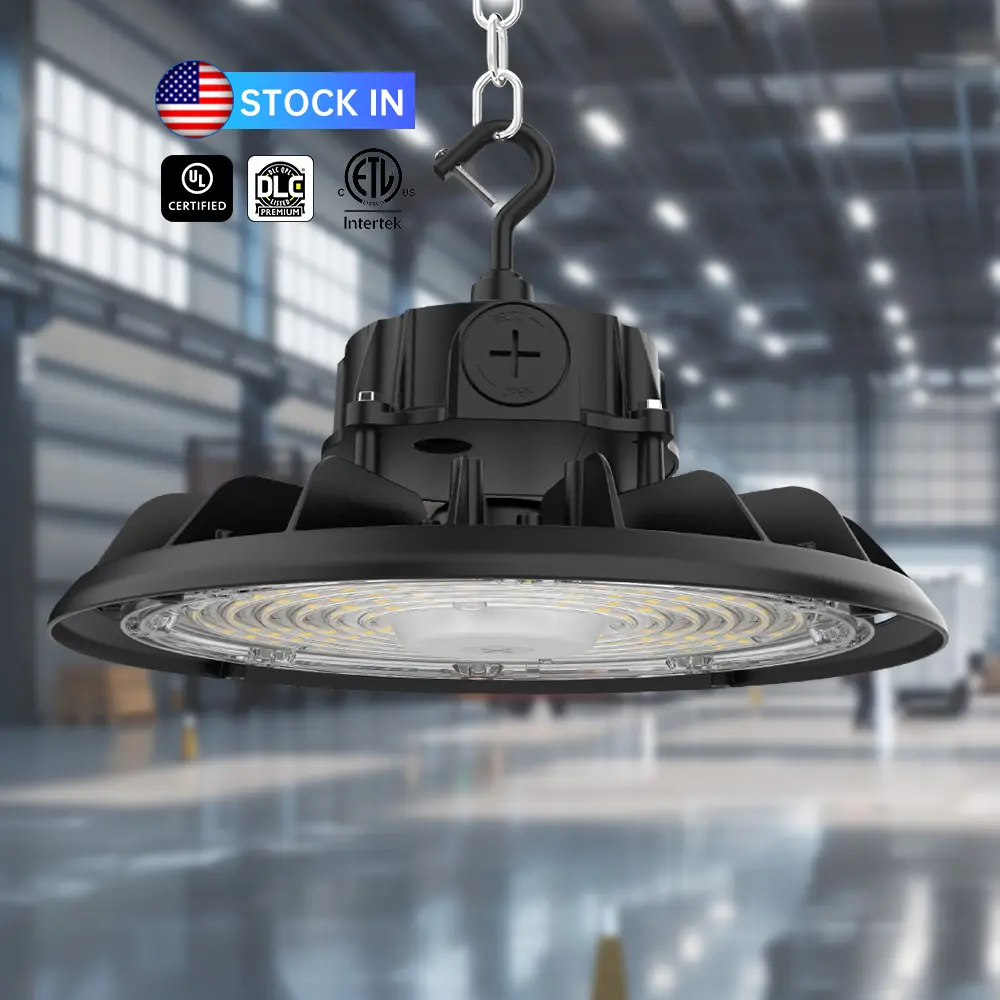
The transition from traditional lighting systems to modern LED technology represents one of the most significant operational improvements businesses can make in industrial and commercial spaces. When examining why you should upgrade to LED high bay light systems, the compelling reasons extend far beyond simple energy savings to encompass operational efficiency, maintenance reduction, and long-term financial benefits that directly impact your bottom line.
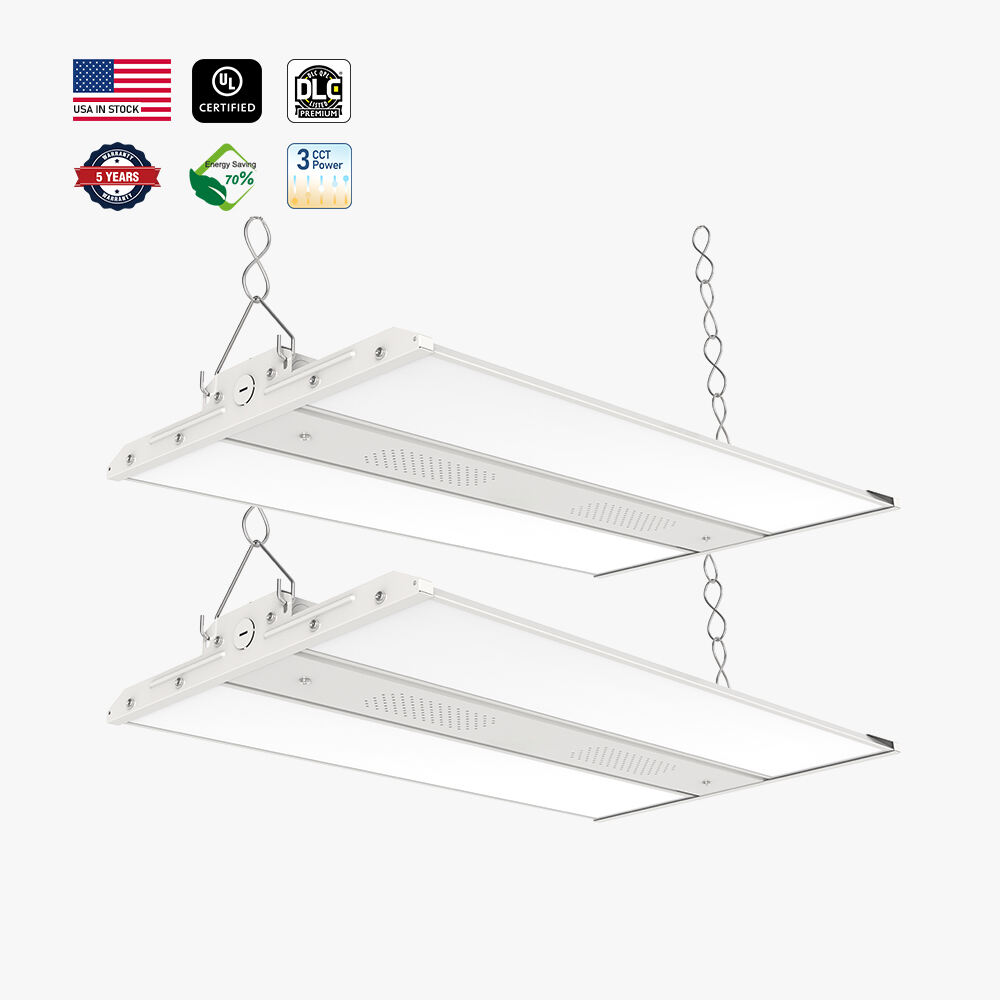
High-ceiling environments such as warehouses, manufacturing facilities, gymnasiums, and retail stores require robust lighting solutions that can deliver consistent illumination across vast areas while maintaining cost-effectiveness over extended periods. The decision to upgrade to LED high bay light technology addresses critical pain points that facility managers and business owners face daily, from escalating energy costs to frequent maintenance disruptions that interrupt operations and productivity.
Substantial Energy Cost Reduction
Dramatic Power Consumption Decrease
The primary financial driver behind upgrading to LED high bay light systems lies in their exceptional energy efficiency compared to traditional metal halide, fluorescent, or high-pressure sodium alternatives. LED high bay lights typically consume 50-70% less electricity while producing equivalent or superior light output, translating to immediate and sustained reductions in monthly utility bills.
For facilities operating lighting systems 12-16 hours daily, the energy savings compound rapidly. A 400-watt metal halide fixture replaced with a 150-watt LED high bay light delivers the same illumination while cutting power consumption by 62.5%, resulting in hundreds of dollars in annual savings per fixture across large installations.
These energy reductions become even more significant when considering demand charges that many commercial electricity rates include. Peak demand reductions from LED high bay light installations can lower these charges substantially, as the reduced power draw decreases the facility's maximum electrical demand during billing periods.
Return on Investment Acceleration
The energy savings from LED high bay light upgrades typically generate payback periods of 2-4 years, depending on existing lighting technology, operating hours, and local electricity rates. However, when factoring in maintenance savings and productivity improvements, many facilities achieve full return on investment within 18-24 months of installation.
Utility rebate programs further accelerate investment recovery, with many regions offering substantial incentives for commercial LED lighting upgrades. These programs can reduce initial costs by 20-40%, making the financial case for LED high bay light systems even more compelling for budget-conscious facility managers.
Energy cost escalation provides additional long-term value, as electricity rates continue rising annually while LED high bay light systems maintain consistent low consumption throughout their operational lifespan. This protection against future energy cost increases enhances the total economic benefit of upgrading to LED technology.
Extended Operational Lifespan and Reduced Maintenance
Exceptional Durability and Longevity
LED high bay light systems deliver operational lifespans of 50,000-100,000 hours compared to 15,000-20,000 hours for metal halide alternatives, representing a 3-5x improvement in fixture longevity. This extended lifespan dramatically reduces replacement frequency and associated labor costs for high-ceiling installations that require specialized equipment and safety protocols.
The solid-state construction of LED high bay light technology eliminates fragile components like filaments and electrodes that commonly fail in traditional lighting systems. This robust design withstands vibration, temperature fluctuations, and frequent switching cycles without degrading performance or reducing lifespan, making LED fixtures ideal for demanding industrial environments.
Unlike conventional high bay lighting that experiences gradual lumen depreciation and color shift over time, quality LED high bay light systems maintain consistent output and color temperature throughout their operational life. This performance stability eliminates the gradual darkening that necessitates premature replacement in traditional lighting installations.
Maintenance Cost Elimination
The maintenance advantages of upgrading to LED high bay light systems extend beyond fixture replacement to encompass ballast failures, starter replacements, and cleaning requirements that plague traditional lighting technologies. LED systems eliminate these recurring maintenance needs while reducing the frequency of costly high-ceiling access for routine service.
Facility maintenance teams benefit from reduced inventory requirements, as led high bay light standardization simplifies spare parts management and reduces storage costs. The extended replacement cycles also minimize disruption to facility operations, as maintenance windows become less frequent and more predictable.
Emergency lighting compliance becomes simpler with LED high bay light installations, as the instant-on capability and consistent performance reduce testing requirements and compliance documentation compared to traditional systems that require warm-up periods and periodic verification of light output levels.
Superior Light Quality and Performance
Enhanced Illumination Control
LED high bay light systems deliver superior light distribution and quality compared to traditional alternatives, providing more uniform illumination across work surfaces while eliminating hot spots and dark zones that can compromise safety and productivity. The directional nature of LED technology allows precise light placement without the omnidirectional waste common in metal halide and fluorescent systems.
Color rendering index improvements with LED high bay light technology enhance visual acuity and reduce eye strain for workers performing detailed tasks. The consistent color temperature eliminates the color shift issues that develop in aging traditional fixtures, maintaining optimal working conditions throughout the fixture's operational life.
Instant illumination capability represents a significant operational advantage, as LED high bay light systems reach full output immediately upon activation without the 3-15 minute warm-up periods required by metal halide and high-pressure sodium alternatives. This instant-on performance improves safety during emergency situations and eliminates productivity delays associated with lighting system startup.
Advanced Control Integration
Modern LED high bay light systems integrate seamlessly with occupancy sensors, daylight harvesting controls, and facility management systems to optimize energy consumption based on actual usage patterns. These intelligent controls can reduce energy consumption by an additional 20-40% beyond the base LED efficiency improvements.
Dimming capabilities in LED high bay light installations allow precise light level adjustment to match task requirements and time-of-day needs, providing flexibility that traditional high bay lighting cannot achieve without complex and expensive control systems. This controllability enhances both energy savings and user satisfaction across diverse facility applications.
Remote monitoring and diagnostic capabilities in connected LED high bay light systems provide facility managers with real-time performance data and predictive maintenance alerts, enabling proactive management that prevents unexpected failures and optimizes replacement scheduling for minimal operational disruption.
Environmental Impact and Sustainability Benefits
Carbon Footprint Reduction
Upgrading to LED high bay light systems significantly reduces facility carbon emissions through decreased electricity consumption and extended product lifecycles that minimize manufacturing and disposal impacts. The typical LED high bay light installation reduces lighting-related carbon emissions by 60-80% compared to traditional alternatives, supporting corporate sustainability goals and environmental compliance requirements.
The elimination of mercury and other hazardous materials in LED high bay light technology simplifies disposal procedures and reduces environmental liability compared to fluorescent and metal halide alternatives that require special handling and disposal protocols. This environmental advantage becomes increasingly important as regulatory requirements for hazardous waste management continue expanding.
Heat reduction from LED high bay light systems decreases HVAC loading in climate-controlled facilities, providing secondary energy savings that compound the direct lighting efficiency benefits. This reduced heat generation can lower cooling costs by 10-20% in large facilities with significant lighting loads, particularly during peak summer months when cooling demands are highest.
Regulatory Compliance Advantages
Energy efficiency regulations and building codes increasingly favor LED technology, making proactive upgrades to LED high bay light systems a strategic move to ensure long-term compliance with evolving standards. Many jurisdictions now mandate LED technology for new construction and major renovations, making early adoption beneficial for facilities planning future modifications.
Green building certification programs like LEED and ENERGY STAR recognize LED high bay light installations as contributing factors toward certification points and energy performance ratings. These certifications can enhance property values and demonstrate corporate environmental responsibility to stakeholders and customers.
Utility demand response programs often provide additional incentives for facilities with LED high bay light systems due to their controllability and reduced baseline consumption, creating opportunities for ongoing operational cost reductions through participation in grid management programs.
FAQ
How long does it take to see return on investment from LED high bay light upgrades?
Most facilities achieve full return on investment within 2-4 years through energy savings alone, with payback periods often shortened to 18-24 months when maintenance savings and utility rebates are included. High-usage facilities operating 16+ hours daily typically see faster payback periods, while facilities with lower operating hours may experience slightly longer payback periods but still achieve positive returns within reasonable timeframes.
Can LED high bay lights work with existing electrical infrastructure?
LED high bay light systems are designed to work with standard electrical infrastructure, though optimal performance may require removing existing ballasts in fluorescent installations or updating control systems to take advantage of advanced features like dimming and occupancy sensing. Most installations can utilize existing electrical circuits due to the lower power requirements of LED technology, often allowing multiple LED fixtures to operate on circuits that previously served single traditional fixtures.
What maintenance is required for LED high bay light systems?
LED high bay light systems require minimal maintenance beyond periodic cleaning to remove dust and debris that can accumulate on fixtures and reduce light output. Unlike traditional lighting that requires regular ballast replacements and frequent bulb changes, LED systems typically operate maintenance-free for 5-10 years, with eventual fixture replacement being the primary maintenance requirement due to their extended operational lifespan.
Do LED high bay lights perform well in extreme temperature environments?
Quality LED high bay light systems are engineered to operate effectively across wide temperature ranges, typically from -40°F to 185°F, making them suitable for unheated warehouses, cold storage facilities, and high-temperature manufacturing environments. The solid-state construction and advanced thermal management in LED fixtures ensure consistent performance and longevity even under challenging environmental conditions that would significantly reduce the lifespan of traditional lighting technologies.