EN
EN



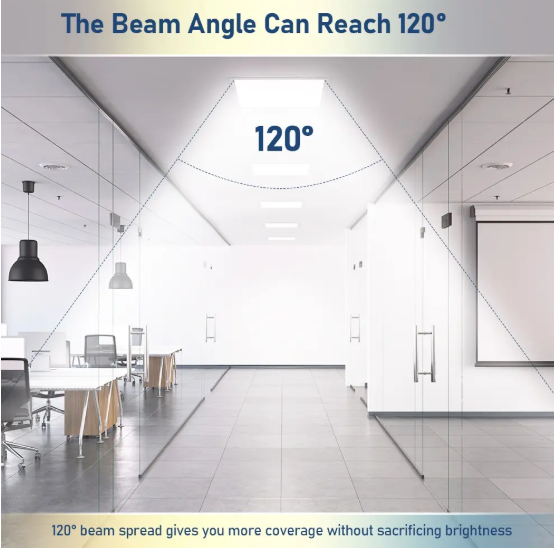
Modern commercial and residential spaces demand lighting solutions that combine energy efficiency, visual comfort, and professional aesthetics. The LED panel light has emerged as the preferred choice for architects, facility managers, and business owners seeking optimal illumination quality. Unlike traditional fluorescent fixtures, today's advanced LED panel light technology delivers uniform brightness distribution while significantly reducing energy consumption and maintenance costs.
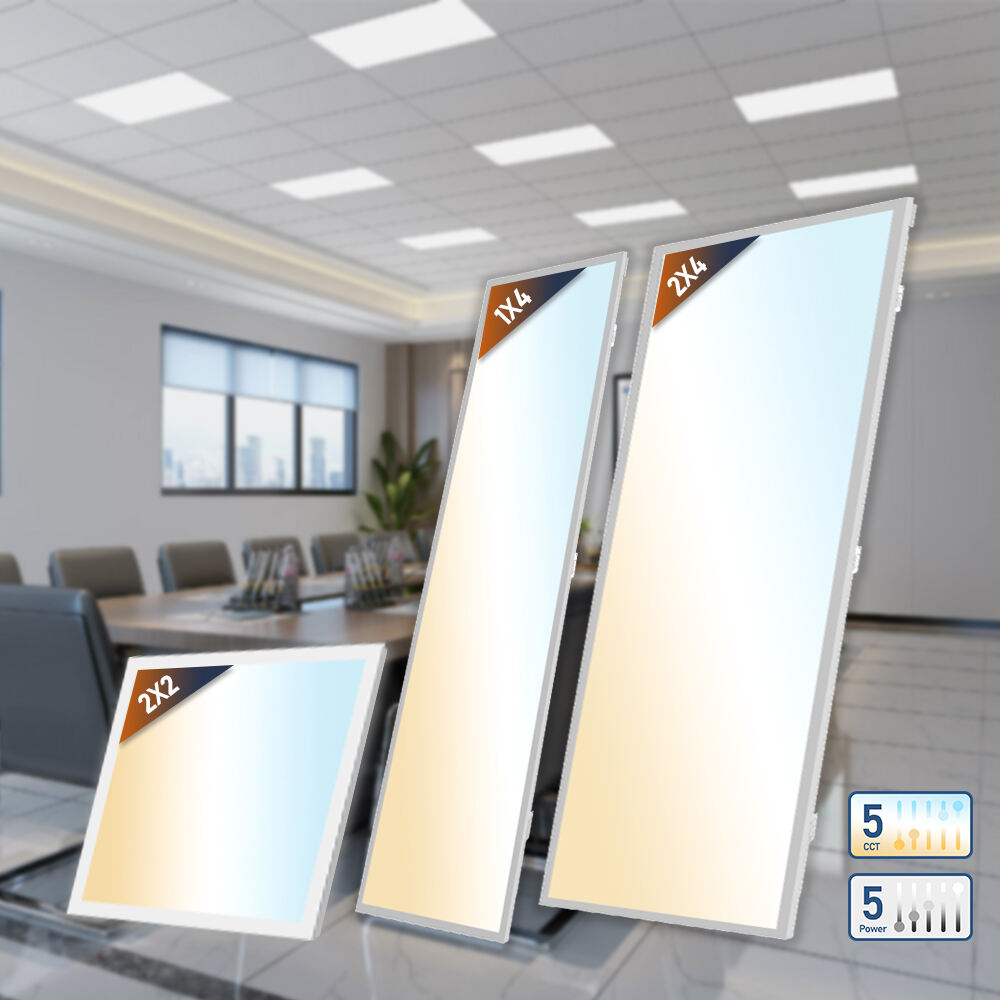
The evolution of LED panel light fixtures represents a significant advancement in commercial lighting design. These sleek, low-profile luminaires integrate seamlessly into drop ceiling systems, providing consistent illumination without the harsh shadows or flickering associated with older technologies. Professional installers and lighting designers consistently recommend LED panel light solutions for offices, healthcare facilities, educational institutions, and retail environments where visual comfort directly impacts productivity and customer experience.
Understanding LED Panel Light Technology
Core Components and Design Principles
Every high-quality LED panel light incorporates several critical components that determine its performance characteristics. The LED chips serve as the primary light source, typically arranged in a matrix pattern to ensure even light distribution across the entire panel surface. Advanced thermal management systems, including aluminum heat sinks and thermal interface materials, maintain optimal operating temperatures to preserve LED longevity and prevent premature failure.
The diffusion system represents another crucial element in LED panel light design. Premium models utilize prismatic lenses or specialized diffuser materials that eliminate hot spots and create uniform illumination patterns. This technology ensures that users experience consistent brightness levels regardless of their position relative to the fixture, making LED panel light installations ideal for task-oriented environments where visual comfort is paramount.
Light Distribution and Optical Performance
Professional-grade LED panel light fixtures achieve superior optical performance through carefully engineered light guide plates and reflector systems. These components work together to maximize light extraction efficiency while minimizing glare and creating comfortable viewing conditions. The resulting illumination pattern typically exhibits excellent uniformity ratios, often exceeding 0.8, which represents the industry standard for high-quality commercial lighting applications.
Color rendering capabilities significantly impact the perceived quality of LED panel light installations. Modern fixtures deliver Color Rendering Index (CRI) values above 80, with premium models achieving CRI ratings exceeding 90. This enhanced color accuracy ensures that occupants experience natural-looking illumination that accurately represents colors and textures, contributing to overall visual comfort and reducing eye strain during extended work periods.
Installation Considerations and Compatibility
Ceiling Integration Methods
The versatility of LED panel light fixtures extends to their installation options, accommodating various ceiling types and architectural requirements. Standard 2x2 foot and 2x4 foot dimensions align perfectly with conventional suspended ceiling grid systems, allowing for straightforward replacement of existing fluorescent troffers. The lightweight construction of modern LED panel light units simplifies handling during installation while reducing structural load requirements on ceiling support systems.
Surface-mounted and suspended installation methods provide additional flexibility for spaces without drop ceilings or where exposed fixture aesthetics are desired. Professional electricians appreciate the streamlined installation process that LED panel light fixtures offer, as most models feature integrated driver compartments and standardized electrical connections that minimize installation time and complexity.
Electrical Requirements and Driver Technology
Contemporary LED panel light systems incorporate sophisticated driver circuits that regulate power delivery and protect against voltage fluctuations. These electronic ballasts typically operate across wide input voltage ranges, ensuring compatibility with various electrical systems while maintaining consistent light output. Advanced driver technology also enables dimming functionality, allowing users to adjust illumination levels based on ambient conditions and task requirements.
Energy efficiency considerations make LED panel light installations particularly attractive for cost-conscious facility managers. Typical power consumption ranges from 30 to 50 watts for standard 2x4 foot panels, delivering equivalent illumination to traditional 150-watt fluorescent fixtures. This dramatic reduction in energy usage translates to substantial utility cost savings and reduced HVAC loads, as LED panel light fixtures generate significantly less heat than conventional lighting technologies.
Performance Characteristics and Benefits
Longevity and Maintenance Advantages
The extended operational lifespan of LED panel light fixtures represents one of their most compelling advantages over traditional lighting solutions. Quality LED panels typically provide 50,000 hours or more of reliable service, equivalent to approximately 12 years of continuous operation. This exceptional longevity dramatically reduces maintenance requirements and associated labor costs, making LED panel light installations particularly valuable in hard-to-access locations or facilities with extensive lighting systems.
Unlike fluorescent fixtures that experience gradual degradation and eventual failure of multiple components, LED panel light systems maintain consistent performance throughout their operational lifetime. The absence of ballast hum, flickering, and warm-up delays enhances user satisfaction while eliminating common maintenance issues that plague conventional lighting systems. Facility managers report significant reductions in service calls and replacement part expenses following LED panel light conversions.
Environmental Impact and Sustainability
Environmental responsibility drives many organizations to specify LED panel light fixtures in their sustainability initiatives. These energy-efficient luminaires contain no mercury or other hazardous materials, eliminating special disposal requirements and reducing environmental impact. The reduced energy consumption associated with LED panel light installations directly translates to lower carbon emissions and decreased demand on electrical grid infrastructure.
Manufacturing processes for modern LED panel light products increasingly incorporate recycled materials and environmentally conscious production methods. Many manufacturers offer take-back programs for end-of-life fixtures, ensuring responsible disposal and material recovery. These sustainability features align with LEED certification requirements and corporate environmental responsibility programs, making LED panel light selection an integral component of green building initiatives.
Application-Specific Considerations
Office and Commercial Environments
Open office layouts and collaborative workspaces particularly benefit from the uniform illumination characteristics of LED panel light installations. The elimination of shadows and hot spots creates comfortable working conditions that support productivity and reduce visual fatigue among employees. Modern office designs increasingly specify LED panel light fixtures with tunable color temperature capabilities, allowing dynamic adjustment of lighting characteristics to support circadian rhythm regulation and enhance occupant well-being.
Conference rooms and presentation spaces require lighting systems that accommodate diverse activities, from detailed document review to multimedia presentations. LED panel light fixtures with dimming capabilities provide the flexibility needed for these multi-purpose environments while maintaining consistent color rendering across all brightness levels. The instant-on capability and silent operation of LED panel light systems eliminate distractions during meetings and presentations.
Healthcare and Educational Facilities
Healthcare environments demand lighting solutions that support both staff efficiency and patient comfort, making LED panel light fixtures ideal for hospitals, clinics, and long-term care facilities. The flicker-free operation and high color rendering capabilities of quality LED panel light systems reduce eye strain for medical professionals while creating pleasant environments for patients and visitors. Additionally, the easy cleaning surfaces and sealed construction of LED panel light fixtures support infection control protocols in healthcare settings.
Educational institutions recognize the importance of proper illumination for student performance and teacher effectiveness. LED panel light installations in classrooms provide uniform brightness levels that support reading, writing, and visual learning activities. The long operational life of LED panel light fixtures reduces disruptions caused by maintenance activities during school hours while providing consistent illumination quality throughout the academic year.
Selection Criteria and Specifications
Photometric Performance Parameters
Selecting the appropriate LED panel light requires careful evaluation of photometric specifications to ensure adequate illumination levels for intended applications. Lumen output ratings indicate the total light production of each fixture, while efficacy measurements expressed in lumens per watt demonstrate energy efficiency. Professional lighting designers recommend LED panel light fixtures with efficacy ratings exceeding 100 lumens per watt for optimal energy performance.
Distribution patterns and beam angles significantly impact the effectiveness of LED panel light installations in specific applications. Wide distribution patterns work well for general illumination requirements, while more focused distributions may be appropriate for task lighting applications. Photometric data sheets provide detailed information about light distribution characteristics, enabling designers to predict illumination patterns and optimize fixture spacing for uniform coverage.
Quality Indicators and Certifications
Industry certifications and testing standards provide valuable indicators of LED panel light quality and reliability. UL listing ensures electrical safety compliance, while DLC qualification indicates energy efficiency performance that qualifies for utility rebate programs. LM-80 testing data provides information about LED lumen maintenance characteristics, supporting accurate predictions of long-term performance for LED panel light installations.
Warranty coverage reflects manufacturer confidence in LED panel light reliability and provides important protection for end users. Quality manufacturers typically offer five-year warranties covering both LED components and driver electronics, demonstrating their commitment to product performance. Extended warranty options may be available for critical applications where lighting system reliability is paramount.
Future Trends and Innovations
Smart Lighting Integration
The integration of intelligent control systems represents the next evolution in LED panel light technology. Smart LED panel light fixtures incorporate wireless communication capabilities that enable centralized control, occupancy sensing, and daylight harvesting functionality. These advanced systems optimize energy consumption while providing detailed usage data for facility management and energy monitoring purposes.
Internet of Things (IoT) connectivity allows LED panel light networks to integrate with building management systems and provide real-time status information. This connectivity enables predictive maintenance scheduling, automatic dimming responses to occupancy patterns, and coordination with HVAC systems for optimal energy efficiency. As building automation becomes increasingly sophisticated, LED panel light fixtures serve as key nodes in comprehensive facility management networks.
Advanced Optical Technologies
Emerging optical technologies continue to enhance the performance capabilities of LED panel light fixtures. Micro-lens arrays and precision reflector systems improve light extraction efficiency while maintaining uniform distribution patterns. Advanced phosphor formulations enable improved color rendering and color consistency across LED panel light product lines, ensuring reliable performance in color-critical applications.
Tunable white technology represents another significant advancement in LED panel light capabilities. These systems allow dynamic adjustment of color temperature from warm to cool white, supporting circadian lighting strategies and user preference customization. As research continues to demonstrate the benefits of human-centric lighting, LED panel light fixtures with tunable capabilities become increasingly valuable for health-conscious building designs.
FAQ
How long do LED panel lights typically last
Quality LED panel light fixtures are designed to operate for 50,000 hours or more, which translates to approximately 12-15 years under normal commercial use conditions. This exceptional lifespan significantly exceeds traditional fluorescent fixtures, which typically require replacement every 3-5 years. The longevity of LED panel light systems results from advanced thermal management and high-quality LED components that maintain consistent performance throughout their operational lifetime.
Can LED panel lights be dimmed
Many modern LED panel light fixtures include dimming capabilities, though compatibility depends on the specific driver technology and control system. Most dimmable LED panel light models work with standard 0-10V dimming systems commonly used in commercial applications. Some fixtures also support DALI, wireless, or smart building integration for advanced dimming control. Always verify dimming compatibility before installation to ensure proper functionality.
What color temperature is best for office environments
For office applications, LED panel light fixtures with color temperatures between 3500K and 5000K provide optimal visual comfort and productivity support. The 4000K range is particularly popular as it offers neutral white illumination that enhances concentration without appearing too cool or clinical. Some facilities prefer tunable LED panel light systems that allow adjustment throughout the day to support circadian rhythm regulation and varying task requirements.
How do LED panel lights compare to fluorescent fixtures in terms of energy savings
LED panel light fixtures typically consume 50-70% less energy than equivalent fluorescent systems while providing superior illumination quality. A standard 2x4 foot LED panel light consuming 40-50 watts can replace a fluorescent troffer drawing 100-150 watts, resulting in substantial utility cost savings. Additionally, LED panel light systems generate less heat, reducing HVAC loads and providing additional energy savings throughout the year.