EN
EN



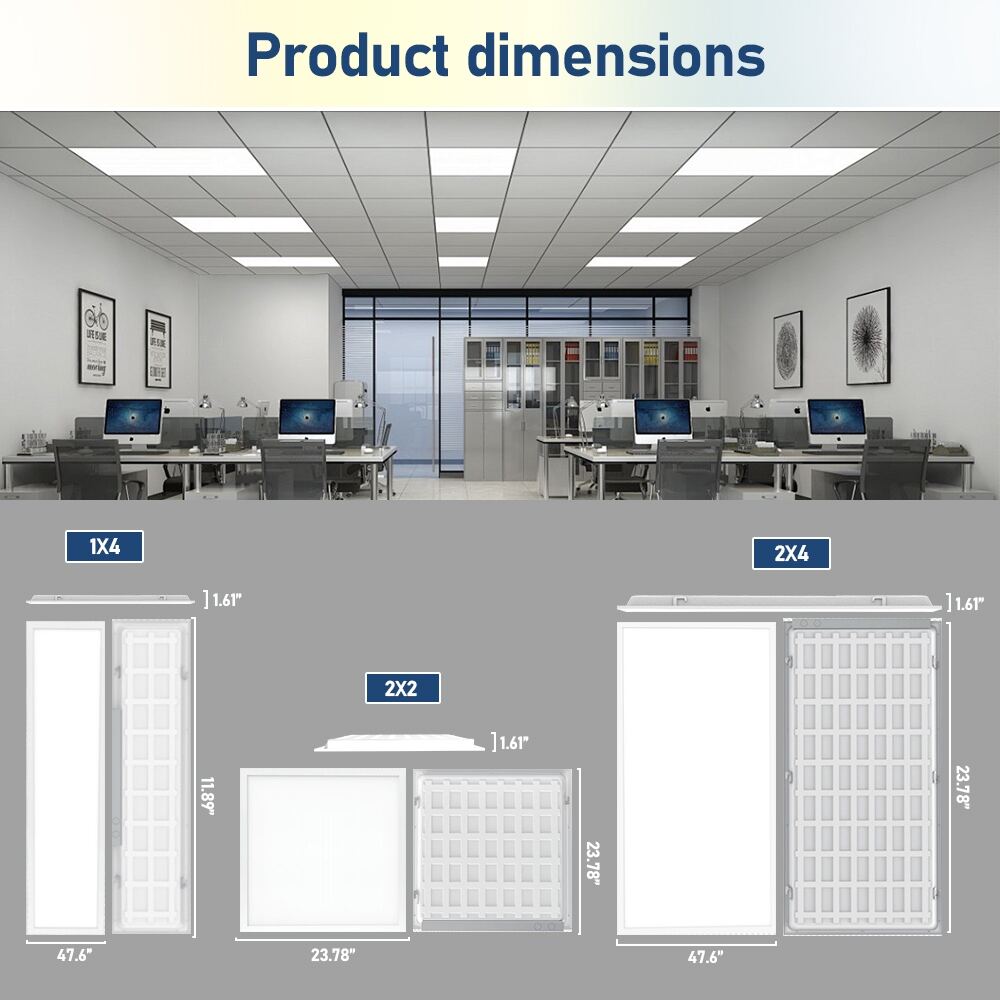
Selecting the right LED indoor lighting for commercial properties requires careful consideration of multiple factors that impact both operational efficiency and occupant comfort. Modern businesses face increasing pressure to reduce energy costs while maintaining optimal illumination levels throughout their facilities. The transition from traditional fluorescent and incandescent systems to LED indoor lighting represents a significant investment opportunity that can deliver substantial long-term benefits when implemented correctly.
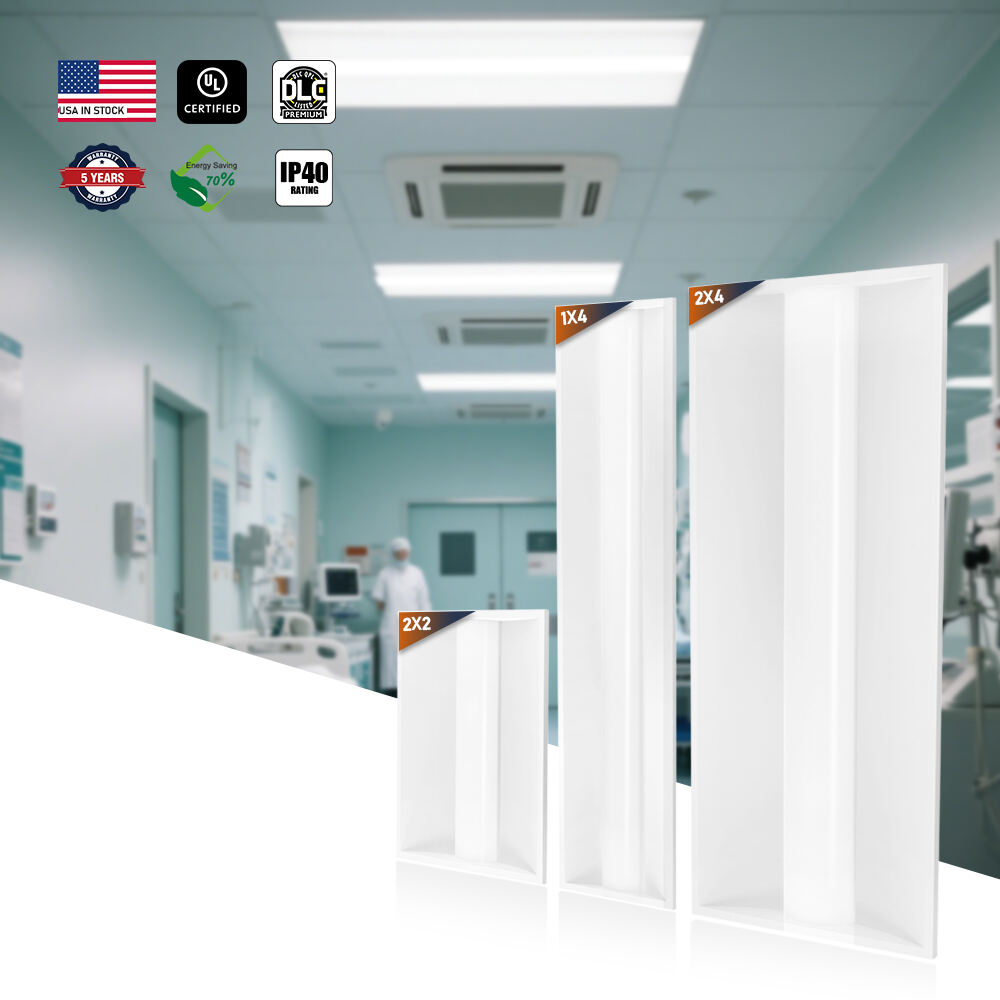
Commercial property managers and facility directors must evaluate numerous technical specifications, design considerations, and regulatory requirements before making lighting decisions. Understanding the fundamentals of LED technology, energy efficiency ratings, color temperature options, and installation requirements forms the foundation for successful commercial lighting projects. This comprehensive approach ensures that the chosen LED indoor lighting solution aligns with both immediate operational needs and future expansion plans.
Understanding LED Technology for Commercial Applications
Core LED Components and Performance Metrics
LED indoor lighting systems consist of several critical components that determine overall performance and longevity. The LED chip serves as the primary light source, converting electrical energy into visible light through semiconductor technology. High-quality chips from reputable manufacturers typically offer superior color consistency, longer operational lifespans, and better thermal management characteristics compared to lower-grade alternatives.
The driver circuit regulates power delivery to the LED chips, ensuring stable operation across varying electrical conditions. Commercial-grade LED indoor lighting fixtures incorporate sophisticated driver designs that provide dimming capabilities, surge protection, and extended operational lifespans. These drivers must comply with commercial electrical codes and maintain consistent performance throughout the fixture's rated lifespan.
Thermal management systems within LED fixtures prevent overheating that could degrade performance or shorten operational life. Advanced heat sink designs and thermal interface materials help dissipate heat generated during operation. Proper thermal management becomes particularly critical in commercial environments where fixtures operate for extended periods at high output levels.
Efficiency Standards and Energy Performance
Energy efficiency ratings provide essential metrics for evaluating LED indoor lighting options in commercial settings. Lumens per watt measurements indicate how effectively a fixture converts electrical energy into visible light output. Commercial-grade LED fixtures typically achieve efficiency ratings between 100-150 lumens per watt, significantly outperforming traditional fluorescent systems.
Power consumption calculations must account for actual operating conditions rather than theoretical maximum ratings. Commercial LED indoor lighting systems often incorporate automatic dimming, occupancy sensors, and daylight harvesting features that reduce actual energy consumption below rated specifications. These intelligent control systems can decrease overall energy usage by 30-50% compared to basic on-off switching methods.
Utility rebate programs frequently offer financial incentives for commercial LED indoor lighting installations that meet specific efficiency thresholds. Property managers should research available rebate opportunities during the planning phase to maximize return on investment. Many utility companies provide pre-approval programs that guarantee rebate payments upon completion of qualifying installations.
Color Temperature and Light Quality Considerations
Selecting Appropriate Color Temperatures
Color temperature selection significantly impacts occupant comfort, productivity, and visual performance in commercial environments. Measured in Kelvin, color temperature ranges from warm white (2700K-3000K) to cool white (5000K-6500K) with neutral options (3500K-4000K) between these extremes. Different commercial applications benefit from specific color temperature ranges based on the activities performed in each space.
Office environments typically perform best with neutral to cool white LED indoor lighting in the 3500K-5000K range, which promotes alertness and reduces eye strain during detailed work. Retail spaces may benefit from warmer color temperatures that create inviting atmospheres and enhance product presentation. Healthcare facilities often require specific color temperatures that support accurate color perception for medical procedures and patient care activities.
Tunable white LED indoor lighting systems offer the flexibility to adjust color temperature throughout the day, supporting circadian rhythm regulation and occupant well-being. These advanced systems can automatically shift from cooler temperatures during morning hours to warmer tones in the evening, helping maintain natural biological rhythms in windowless commercial spaces.
Color Rendering and Visual Accuracy
Color Rendering Index (CRI) measurements indicate how accurately LED indoor lighting reproduces colors compared to natural sunlight. Commercial applications requiring precise color discrimination, such as retail displays, art galleries, or medical facilities, benefit from high-CRI LED fixtures with ratings above 90. Standard office environments typically perform well with CRI ratings between 80-90.
Advanced color rendering metrics, including R9 values for red color reproduction, provide more detailed information about LED performance across the visible spectrum. These specialized measurements become particularly important in commercial settings where accurate color perception impacts safety, quality control, or aesthetic considerations. Specifying appropriate color rendering requirements during the planning phase prevents costly replacements after installation.
Consistency between fixtures ensures uniform color appearance throughout commercial spaces. LED indoor lighting manufacturers provide binning specifications that guarantee color consistency within acceptable tolerances. Purchasing fixtures from the same production batch or specifying tight binning requirements helps maintain visual uniformity across large commercial installations.
Fixture Design and Installation Requirements
Mounting Options and Spatial Considerations
Commercial LED indoor lighting fixtures accommodate various mounting configurations to suit different architectural requirements and spatial constraints. Recessed fixtures integrate seamlessly with dropped ceiling systems, providing clean appearances that complement modern office designs. Surface-mounted options offer easier installation and maintenance access while delivering comparable performance levels.
Pendant and track lighting systems provide focused illumination for specific work areas or accent lighting applications. These flexible mounting options allow facility managers to adapt lighting layouts as space utilization changes over time. Modular LED indoor lighting systems support easy reconfiguration without requiring major electrical modifications.
Ceiling height considerations impact fixture selection and spacing requirements for optimal light distribution. Higher ceilings may require more powerful fixtures or closer spacing to achieve recommended illumination levels at working surfaces. Photometric data provided by manufacturers helps lighting designers calculate appropriate fixture quantities and positioning for specific commercial spaces.
Electrical Infrastructure and Control Integration
Existing electrical infrastructure capabilities influence LED indoor lighting system design and installation complexity. Older commercial buildings may require electrical upgrades to support advanced LED control systems or higher fixture densities. Conducting electrical capacity assessments during the planning phase prevents project delays and unexpected costs.
Modern LED indoor lighting systems integrate with building automation platforms through various communication protocols, including DALI, 0-10V dimming, and wireless mesh networks. These integration capabilities enable centralized control, scheduling, and monitoring functions that optimize energy usage and maintenance efficiency throughout commercial facilities.
Emergency backup systems require special consideration when planning LED indoor lighting installations. Battery backup units or emergency generators must provide adequate power for essential lighting during outages. LED fixtures' lower power consumption allows emergency systems to operate longer or support more fixtures compared to traditional lighting technologies.
Energy Efficiency and Cost Analysis
Initial Investment Considerations
Commercial LED indoor lighting projects require comprehensive financial analysis that considers both upfront costs and long-term operational savings. Initial fixture costs typically exceed traditional lighting options, but energy savings, reduced maintenance requirements, and extended lifespans often justify the higher investment within 2-4 years for most commercial applications.
Installation costs vary significantly based on existing infrastructure conditions, fixture complexity, and control system requirements. Simple fixture replacements in standard dropped ceiling applications typically cost less than comprehensive renovations requiring new electrical circuits or structural modifications. Obtaining detailed installation estimates from qualified contractors helps establish accurate project budgets.
Financing options, including equipment leasing programs and energy service company (ESCO) contracts, can eliminate upfront capital requirements while providing immediate energy savings. These alternative financing structures allow commercial property owners to implement LED indoor lighting upgrades without depleting capital improvement budgets or affecting cash flow.
Operational Savings and Return Analysis
Energy cost reductions represent the primary financial benefit of LED indoor lighting installations in commercial properties. Typical energy savings range from 50-75% compared to fluorescent systems and up to 85% compared to incandescent fixtures. Calculating savings requires accurate baseline consumption data and consideration of local utility rate structures, including demand charges and time-of-use pricing.
Maintenance cost reductions contribute significantly to overall project economics. LED indoor lighting fixtures typically operate for 50,000-100,000 hours compared to 8,000-15,000 hours for fluorescent systems. This extended lifespan reduces replacement costs, labor expenses, and business disruptions associated with routine maintenance activities in commercial environments.
Productivity benefits from improved lighting quality can provide additional financial returns that exceed direct energy savings. Studies demonstrate correlations between proper LED indoor lighting implementation and increased employee productivity, reduced absenteeism, and improved customer satisfaction in retail environments. While difficult to quantify precisely, these soft benefits often justify premium fixture selections or advanced control systems.
Smart Controls and Automation Features
Occupancy Sensing and Automated Operation
Occupancy sensors integrated with LED indoor lighting systems provide automatic on/off control that eliminates energy waste in unoccupied commercial spaces. Modern sensors utilize microwave, PIR, or dual-technology detection methods that minimize false triggering while ensuring reliable operation across various commercial applications. Time delay settings prevent frequent switching that could disturb occupants during brief absences.
Daylight harvesting sensors automatically adjust LED indoor lighting output based on available natural light levels, maintaining consistent illumination while minimizing energy consumption. These photosensors work continuously throughout the day, providing seamless dimming that occupants rarely notice. Proper calibration and positioning of daylight sensors ensures optimal performance across varying seasonal and weather conditions.
Advanced occupancy detection systems can differentiate between various activity levels and adjust LED indoor lighting accordingly. These intelligent systems provide task-appropriate illumination for different work activities while maintaining energy efficiency. Integration with building management systems enables facility managers to monitor space utilization patterns and optimize lighting schedules based on actual usage data.
Centralized Control and Monitoring Systems
Building automation integration allows comprehensive LED indoor lighting management from centralized control platforms. These systems provide scheduling capabilities, energy monitoring, maintenance alerts, and remote adjustment features that streamline facility operations. Web-based interfaces enable management from any location with internet connectivity, supporting multi-site commercial property portfolios.
Predictive maintenance features monitor LED indoor lighting system performance and provide advance warning of potential failures or degradation issues. These capabilities help facility managers schedule maintenance activities during convenient times rather than responding to emergency situations. Component-level monitoring identifies specific fixtures or drivers requiring attention, minimizing diagnostic time and replacement costs.
Energy reporting capabilities track consumption patterns, identify optimization opportunities, and support sustainability reporting requirements. Detailed analytics help facility managers understand how LED indoor lighting usage correlates with occupancy patterns, seasonal variations, and operational schedules. This data supports continuous improvement initiatives that further enhance energy efficiency and cost effectiveness.
Regulatory Compliance and Standards
Safety Certifications and Code Requirements
Commercial LED indoor lighting installations must comply with various safety standards and electrical codes that govern commercial building operations. UL listing provides third-party verification that fixtures meet established safety requirements for electrical components, thermal performance, and mechanical construction. Additional certifications, such as DLC qualification, indicate compliance with energy efficiency standards required for utility rebate eligibility.
Local electrical codes specify installation requirements, including conductor sizing, circuit protection, and grounding methods for LED indoor lighting systems. Licensed electricians familiar with commercial installations ensure compliance with applicable codes and obtain necessary permits and inspections. Code compliance becomes particularly critical in healthcare, educational, and other regulated commercial facilities.
Emergency lighting requirements mandate specific illumination levels and duration capabilities during power outages. LED indoor lighting systems designed for emergency applications must maintain minimum light output levels for specified time periods using battery backup power. These systems require regular testing and maintenance to ensure reliable operation during actual emergency conditions.
Environmental and Sustainability Standards
LEED certification programs recognize LED indoor lighting contributions to sustainable building operations through energy efficiency, material selection, and environmental impact considerations. Points awarded for lighting-related improvements can help commercial properties achieve desired certification levels while reducing operational costs. Documentation requirements include energy modeling, commissioning reports, and ongoing performance verification.
California Title 24 and similar state energy codes establish mandatory efficiency requirements for commercial lighting systems. These regulations often specify minimum efficacy levels, control requirements, and installation standards that influence LED indoor lighting system design. Staying current with evolving code requirements helps ensure long-term compliance and avoid costly retrofit requirements.
Disposal and recycling considerations become important factors as LED indoor lighting fixtures reach end-of-life. While LED technology contains fewer hazardous materials than fluorescent systems, proper disposal through certified recycling programs supports environmental responsibility goals. Manufacturer take-back programs provide convenient disposal options while ensuring appropriate material recovery.
FAQ
What factors determine the ideal LED indoor lighting layout for commercial spaces
The optimal LED indoor lighting layout depends on ceiling height, space function, task requirements, and architectural features. Office environments typically require uniform illumination levels between 300-500 lux at desk height, achieved through regular spacing of fixtures based on photometric calculations. Retail spaces may incorporate accent lighting to highlight merchandise while maintaining adequate general illumination. Working with lighting designers or using manufacturer photometric software helps determine appropriate fixture quantities, spacing, and mounting configurations for specific commercial applications.
How long do commercial LED indoor lighting fixtures typically last before requiring replacement
High-quality commercial LED indoor lighting fixtures typically operate for 50,000 to 100,000 hours before light output degrades to 70% of initial levels, the industry standard for end-of-useful-life. At 12 hours daily operation, this translates to 11-23 years of service life. However, actual lifespan varies based on operating conditions, thermal management, driver quality, and maintenance practices. Fixtures installed in high-temperature environments or those experiencing frequent switching may have shorter lifespans, while properly designed systems in controlled environments often exceed rated performance specifications.
What control options work best for maximizing LED indoor lighting energy savings in commercial buildings
Occupancy sensors combined with daylight harvesting provide the greatest energy savings potential for most commercial LED indoor lighting applications. These automated controls can reduce energy consumption by 30-60% compared to manual switching while maintaining appropriate illumination levels. Time scheduling systems add another layer of savings by ensuring lights operate only during occupied hours. Advanced systems that integrate multiple control strategies through building automation platforms offer the highest savings potential but require greater upfront investment and ongoing maintenance.
How do utility rebate programs typically structure incentives for commercial LED indoor lighting projects
Utility rebate programs commonly offer incentives based on energy savings potential, fixture efficiency ratings, or per-fixture payments for qualifying LED indoor lighting installations. Rebate amounts typically range from $20-100 per fixture or $0.05-0.15 per kilowatt-hour of annual energy savings. Pre-approval applications submitted before installation ensure rebate eligibility and payment upon project completion. Many utilities require DLC-qualified fixtures and professional installation by licensed electricians to qualify for rebate programs. Some programs offer enhanced incentives for projects incorporating advanced controls or achieving specific energy reduction thresholds.
Table of Contents
- Understanding LED Technology for Commercial Applications
- Color Temperature and Light Quality Considerations
- Fixture Design and Installation Requirements
- Energy Efficiency and Cost Analysis
- Smart Controls and Automation Features
- Regulatory Compliance and Standards
-
FAQ
- What factors determine the ideal LED indoor lighting layout for commercial spaces
- How long do commercial LED indoor lighting fixtures typically last before requiring replacement
- What control options work best for maximizing LED indoor lighting energy savings in commercial buildings
- How do utility rebate programs typically structure incentives for commercial LED indoor lighting projects