EN
EN



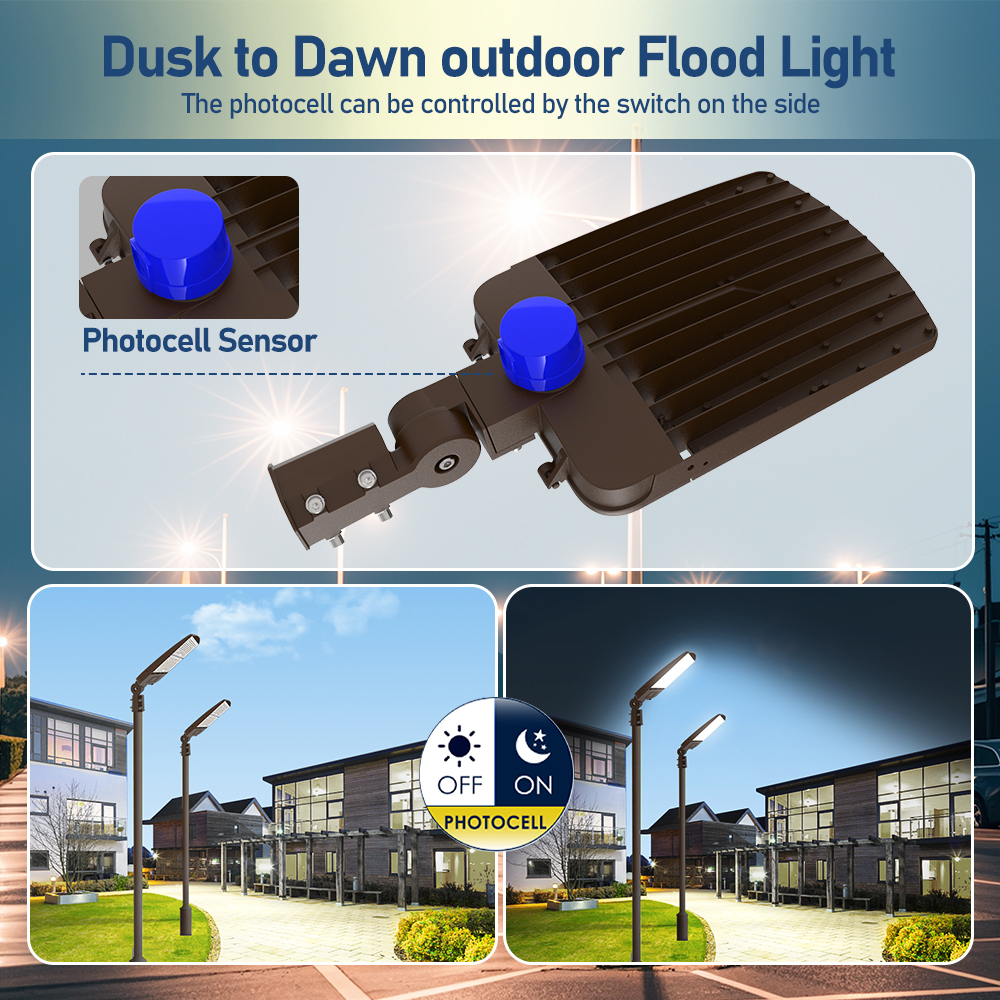
Commercial parking areas demand lighting that performs reliably night after night, covers wide surface areas evenly, and keeps operational costs manageable over many years. LED shoebox light fixtures have emerged as the dominant solution for exactly these reasons. Their rectangular, low-profile form and powerful directional output make them uniquely suited to the demands of open outdoor spaces where safety and visibility are non-negotiable priorities.
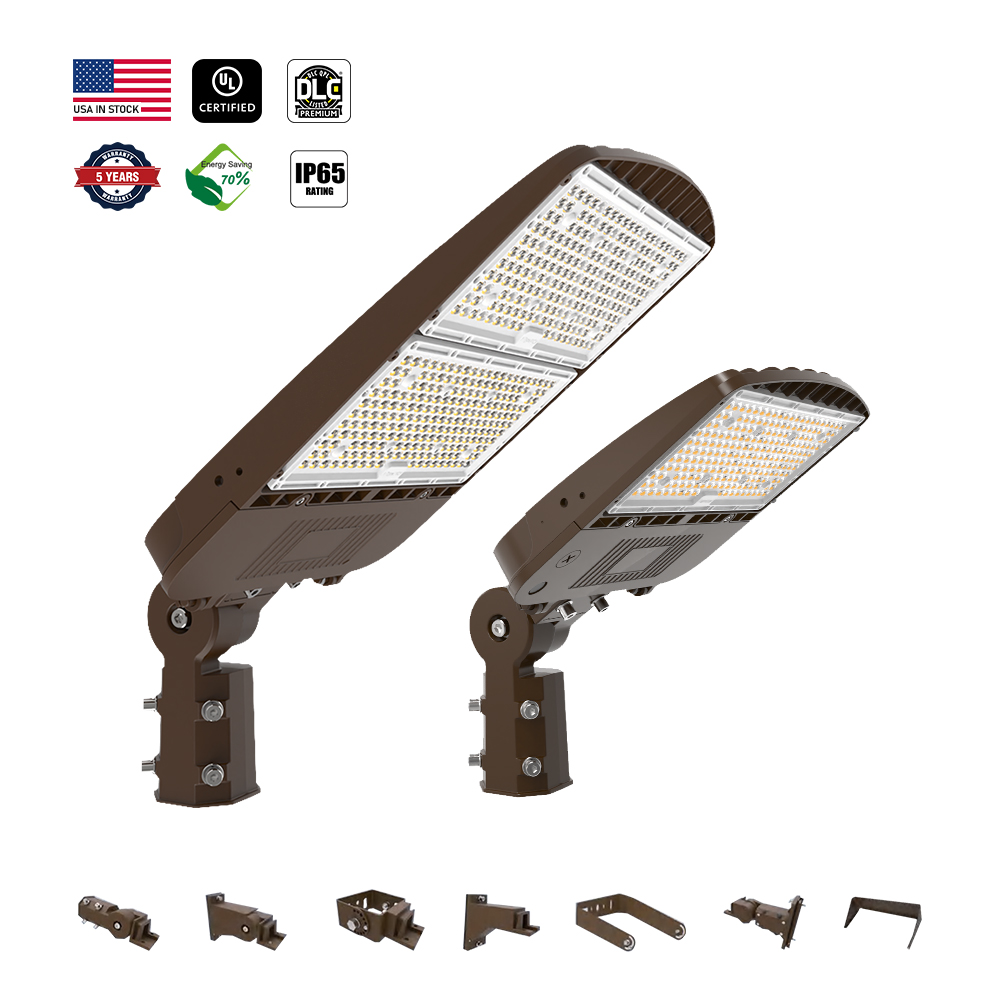
Understanding why LED shoebox light fixtures have become so prevalent in commercial parking environments requires looking at several interconnected factors: light quality, energy performance, durability, regulatory alignment, and long-term cost value. This article examines each dimension in detail, giving facility managers, property developers, and procurement teams a clear picture of what makes LED shoebox light fixtures the preferred choice across retail centers, office campuses, hospitals, and mixed-use developments.
The Performance Advantages of LED Shoebox Light Fixtures in Parking Environments
Wide-Area Coverage with Controlled Light Distribution
One of the defining strengths of LED shoebox light fixtures is their ability to distribute light broadly and evenly across large horizontal surfaces. Parking lots require consistent illumination that eliminates dark patches between poles, reduces glare for drivers, and ensures pedestrians can be seen clearly from all angles. LED shoebox light fixtures achieve this through precision-engineered optical lenses and reflectors that direct light exactly where it is needed without excessive spillover onto neighboring properties or into the night sky. This optical control is one reason why LED shoebox light fixtures align well with municipal dark-sky ordinances and commercial lighting standards.
High Lumen Output with Lower Wattage
LED shoebox light fixtures deliver significantly more lumens per watt than traditional metal halide or high-pressure sodium alternatives. A modern LED shoebox light fixture producing 30,000 lumens may consume only 200 to 250 watts, while an equivalent HID fixture could require 400 watts or more for a comparable output. This efficiency gap directly translates into reduced electricity bills, which matters greatly for commercial properties running large numbers of poles across expansive lots. Facility managers who upgrade to LED shoebox light fixtures consistently report measurable drops in energy consumption within the first billing cycle after installation.
Durability and Maintenance Reasons Why LED Shoebox Light Fixtures Are Widely Chosen
Long Operational Lifespan Reduces Service Costs
LED shoebox light fixtures are engineered for operational lifespans that typically reach 50,000 to 100,000 hours under normal commercial conditions. For a parking lot running lights from dusk to dawn, this lifespan can translate to well over a decade of service before lamp replacement becomes necessary. Traditional fixtures using HID or fluorescent sources often require relamping every two to four years, incurring substantial labor and material costs, particularly when lights are mounted on tall poles requiring lift equipment. The extended service life of LED shoebox light fixtures substantially lowers total maintenance expenditure over a property's operational lifecycle.
Robust Construction for Outdoor Exposure
LED shoebox light fixtures are built to withstand the full range of outdoor environmental stresses, including rain, snow, humidity, temperature extremes, and airborne contaminants. Most commercial-grade LED shoebox light fixtures carry IP65 or IP66 ingress protection ratings, ensuring that dust and water intrusion do not compromise performance. Their aluminum housings and sealed driver compartments protect internal components against corrosion and moisture. This robust construction means that LED shoebox light fixtures installed in coastal, high-humidity, or high-traffic urban environments continue performing at rated output without premature degradation. Property managers dealing with harsh local climates especially value this resilience when selecting LED shoebox light fixtures for long-term deployment.
Economic and Regulatory Factors Behind the Widespread Adoption of LED Shoebox Light Fixtures
Energy Incentives and Compliance Benefits
Across many regions, government agencies and utility companies offer rebate programs and tax incentives specifically designed to encourage the adoption of LED shoebox light fixtures in commercial settings. These financial instruments can offset a meaningful portion of the upfront cost associated with purchasing and installing LED shoebox light fixtures, improving the return-on-investment timeline significantly. Beyond incentives, commercial properties are increasingly subject to building energy codes and local lighting ordinances that restrict maximum power density in parking applications. LED shoebox light fixtures make compliance straightforward because their inherent efficiency often places installations comfortably within regulated thresholds without requiring additional design compromises.
Total Cost of Ownership Over Time
When evaluating lighting investments, procurement teams must look beyond the initial purchase price to consider the full cost of ownership over a five to fifteen year horizon. LED shoebox light fixtures typically deliver a compelling economic case when energy savings, reduced maintenance visits, eliminated lamp replacements, and lower disposal costs are factored together. Properties with large parking areas containing fifty or more poles can realize annual energy savings in the tens of thousands of dollars after converting to LED shoebox light fixtures. This financial logic, combined with improved lighting quality and reduced environmental impact, explains why commercial real estate developers increasingly specify LED shoebox light fixtures as standard in new construction and renovation projects alike.
FAQ
What pole height is recommended for LED shoebox light fixtures in commercial parking lots?
Most commercial parking applications use LED shoebox light fixtures mounted on poles between 20 and 30 feet in height. The appropriate height depends on the fixture's lumen output, the desired illuminance level, and the spacing between poles. Higher lumen LED shoebox light fixtures allow for greater pole spacing, reducing the total number of poles required and lowering installation costs. A photometric layout study using the specific LED shoebox light fixtures selected is always recommended before finalizing pole height and spacing decisions.
Can LED shoebox light fixtures be used with smart controls or dimming systems?
Yes, most modern LED shoebox light fixtures are fully compatible with 0-10V dimming protocols and can be integrated with smart lighting control systems. These systems allow facility operators to schedule dimming during low-traffic overnight hours, reducing energy consumption further without sacrificing safety readiness. Some LED shoebox light fixtures also support wireless or networked control platforms that provide real-time monitoring, fault detection, and remote adjustment capabilities, making them an excellent fit for large multi-site commercial portfolios.
How do LED shoebox light fixtures compare to traditional HID fixtures in terms of light quality?
LED shoebox light fixtures deliver a noticeably higher quality of light than traditional HID sources, primarily because of their superior color rendering index, which typically ranges from 70 to 80 or higher. This means objects, vehicles, signage, and people appear more clearly and naturally under LED shoebox light fixtures, which enhances both security camera performance and the general sense of safety perceived by drivers and pedestrians. HID sources often exhibit color shifts as they age, whereas LED shoebox light fixtures maintain consistent color output throughout their operational lifespan.