EN
EN



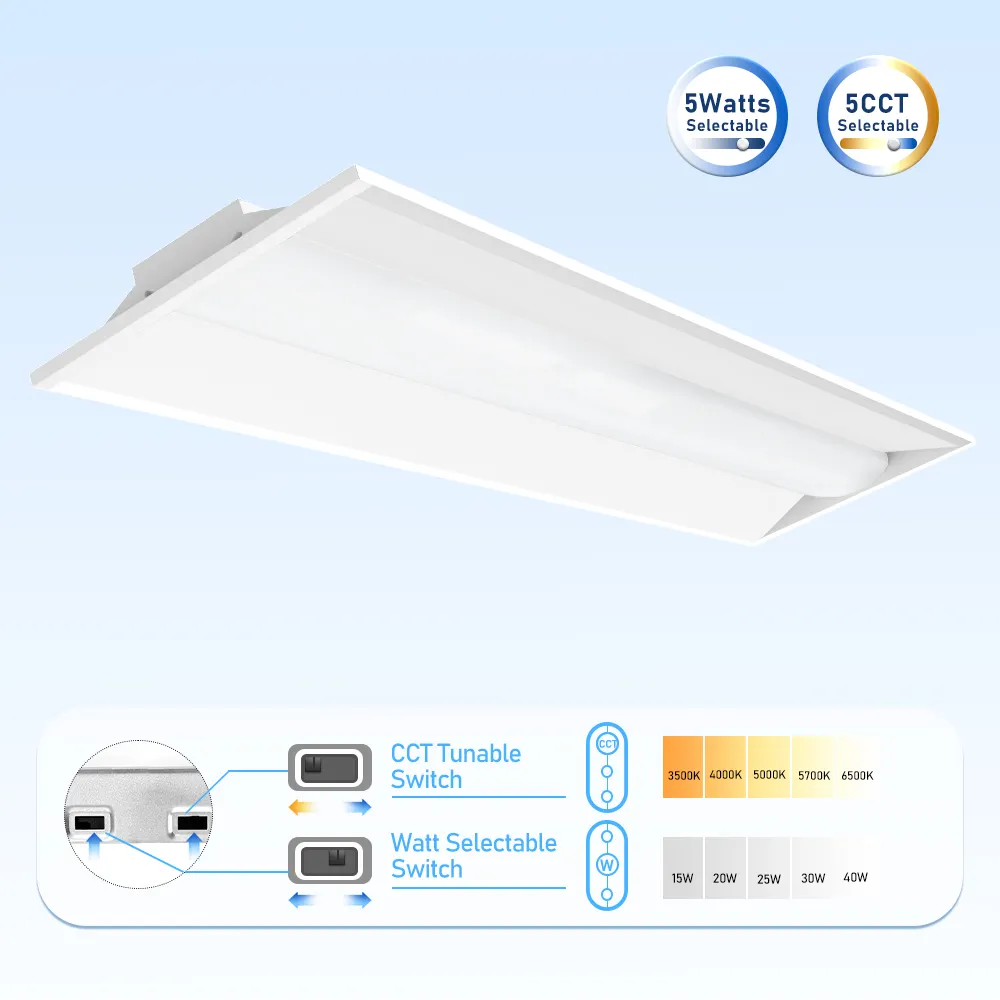
Walk into any modern office, retail space, healthcare facility, or educational institution today, and one fixture stands out for its quiet dominance: the panel light. Slim, uniform, and architecturally clean, this lighting solution has become the default choice for commercial interior designers, facility managers, and electrical contractors across virtually every industry segment. Its rise is not accidental — it reflects a convergence of practical performance advantages, evolving workplace standards, and the broader shift toward energy-conscious building design.
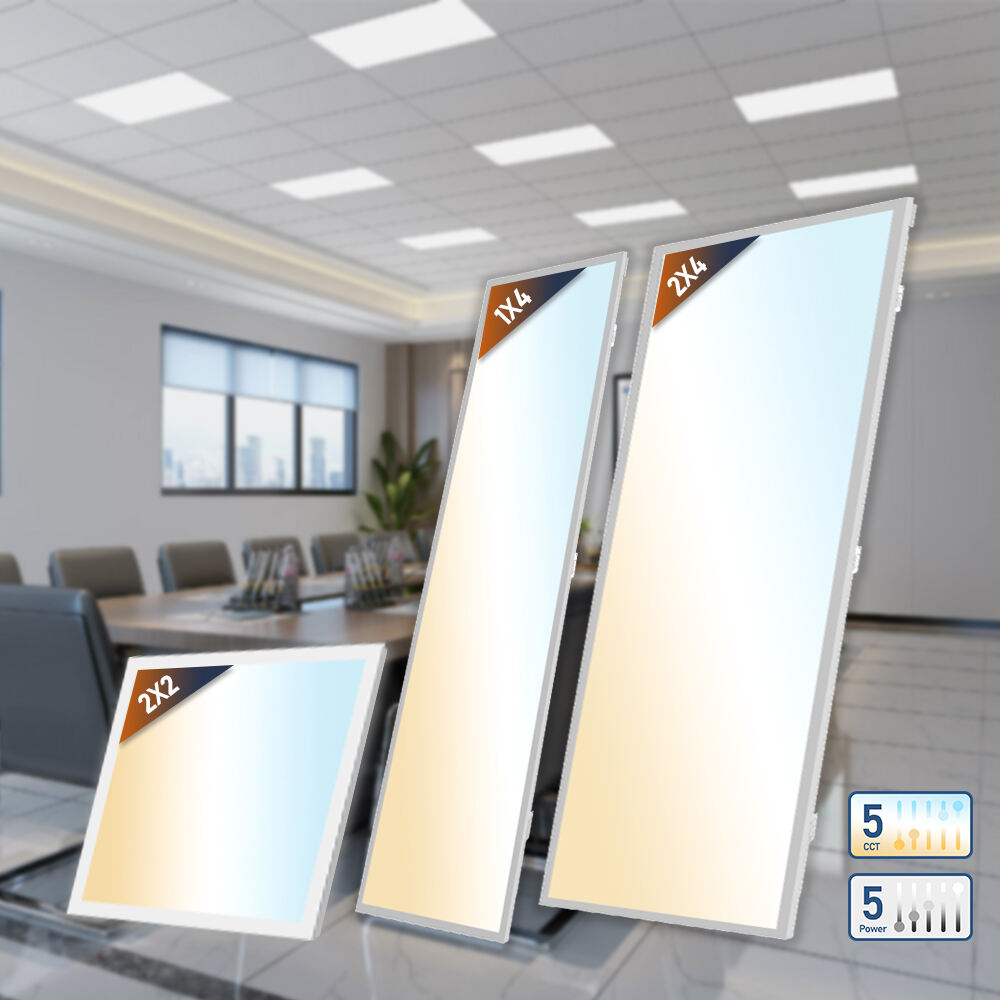
Understanding why the panel light has achieved such widespread adoption requires looking beyond surface aesthetics. The reasons are deeply rooted in how commercial spaces function, how occupants respond to light quality, and how building owners calculate long-term operational costs. This article explores the core drivers behind the dominance of panel light technology in modern commercial interiors, offering decision-useful insight for anyone specifying, purchasing, or managing commercial lighting systems.
The Functional Logic Behind Panel Light Adoption
Uniform Illumination as a Commercial Necessity
One of the most compelling reasons the panel light has become standard in commercial environments is its ability to deliver highly uniform illumination across large surface areas. Unlike point-source fixtures that create hotspots and shadows, a well-designed panel light distributes light evenly through a diffuser panel, eliminating harsh contrasts that cause visual fatigue in workplaces.
In office environments, uniform lighting directly supports productivity. Employees working at screens, drafting tables, or collaborative workstations benefit from consistent light levels that reduce eye strain over long working hours. Retail spaces rely on even illumination to present merchandise without unflattering shadows or inconsistent brightness zones that distort color perception.
The panel light achieves this uniformity through either edge-lit or back-lit optical designs, both of which are engineered to spread light across the entire emitting surface rather than concentrating it at a single point. This optical characteristic is not easily replicated by traditional fluorescent troffers or recessed downlights, which is a key reason the panel light has displaced older technologies in so many commercial applications.
Architectural Integration and Ceiling Compatibility
Modern commercial interiors increasingly prioritize clean, uncluttered ceiling planes. Drop ceilings with standard grid systems — the most common ceiling type in commercial construction — are perfectly suited to recessed panel light installation. The flat, frameless profile of a panel light sits flush with the ceiling grid, creating a seamless visual plane that supports contemporary interior design language.
This compatibility with standard 2x2 and 2x4 foot ceiling grid modules means that a panel light can be specified and installed without custom modifications or structural alterations. Facility managers appreciate this because it simplifies both new installations and retrofit projects. The panel light essentially slots into the existing infrastructure, reducing labor time and installation complexity.
Beyond drop ceilings, surface-mount and suspended panel light configurations extend the technology's applicability to spaces with concrete slab ceilings, exposed structures, or high-end architectural finishes. This versatility across ceiling types is another reason the panel light has become a near-universal solution in commercial interior lighting.
Energy Efficiency and the Commercial Cost Equation
LED Technology as the Engine of Efficiency
The modern panel light is fundamentally an LED product, and this is inseparable from its commercial success. LED light sources consume dramatically less energy than the fluorescent tubes they replaced, and they do so while delivering equal or superior light output. A 50-watt LED panel light, for example, can replace a fluorescent troffer that consumed 80 watts or more while producing comparable or better illumination levels.
For commercial building operators, lighting typically represents 20 to 40 percent of total electricity consumption. Switching to LED panel light fixtures across an entire facility can reduce that portion of the energy bill by 40 to 60 percent, depending on the baseline technology being replaced. Over a multi-year operational period, these savings are substantial and directly affect the building's operating cost profile.
LED panel light products also generate significantly less heat than fluorescent or incandescent alternatives. In climate-controlled commercial spaces, reduced heat output from lighting means the HVAC system works less hard to maintain target temperatures, creating a secondary energy saving that compounds the direct lighting efficiency gain.
Long Service Life and Reduced Maintenance Burden
Commercial facilities face a persistent maintenance challenge with lighting: replacing failed lamps in high-ceiling or hard-to-access locations is time-consuming, disruptive, and costly. Traditional fluorescent lamps have rated lifespans of 10,000 to 15,000 hours, requiring relatively frequent replacement cycles in facilities that operate extended hours.
A quality LED panel light is rated for 50,000 hours or more of service life. At 12 hours of daily operation, that translates to over 11 years before the fixture reaches its rated end-of-life point. This dramatically reduces the frequency of lamp replacement, cutting both the direct cost of replacement components and the labor cost of maintenance interventions.
For facility managers overseeing large commercial properties — office towers, retail chains, healthcare campuses — the maintenance reduction enabled by panel light technology represents a meaningful operational advantage. Fewer service calls, less disruption to occupants, and lower total cost of ownership all contribute to the business case for panel light adoption.
Light Quality Factors That Drive Occupant Satisfaction
Color Rendering and Visual Comfort
Commercial interiors serve people, and the quality of light experienced by those people has measurable effects on comfort, mood, and performance. The panel light, when specified with appropriate color rendering index (CRI) values, delivers light that renders colors accurately and creates visually comfortable environments.
High-CRI panel light products — typically rated at CRI 80 or above, with premium options reaching CRI 90 and beyond — ensure that materials, finishes, skin tones, and merchandise appear as they would under natural daylight conditions. This matters enormously in retail environments where purchasing decisions are influenced by how products look under store lighting, and in healthcare settings where accurate color perception supports clinical assessment.
The diffused output of a panel light also contributes to visual comfort by eliminating the glare associated with bare LED arrays or poorly shielded fixtures. Glare is a significant source of visual discomfort in office environments, particularly for screen-based workers. A well-designed panel light with a prismatic or opal diffuser controls glare effectively, supporting the unified glare rating (UGR) requirements specified in commercial lighting standards.
Correlated Color Temperature and Workplace Psychology
The panel light is available across a wide range of correlated color temperatures (CCT), from warm 3000K tones suitable for hospitality and retail environments to neutral 4000K and cool 5000K options preferred in offices, healthcare facilities, and educational spaces. This flexibility allows lighting designers to match the panel light specification to the psychological and functional requirements of each space.
Research in environmental psychology consistently shows that color temperature influences alertness, concentration, and perceived comfort. Cool-white panel light installations in office environments support sustained cognitive performance, while warmer CCT options in break rooms or reception areas create a more relaxed, welcoming atmosphere. The ability to tune the panel light specification to the intended use of each zone is a significant advantage over older technologies with limited CCT options.
Some panel light products now incorporate tunable white technology, allowing the CCT to be adjusted dynamically throughout the day to support circadian rhythm alignment. This capability is increasingly specified in healthcare, education, and premium office projects where occupant wellbeing is a design priority.
Compliance, Standards, and the Regulatory Environment
Energy Codes and Building Certification Requirements
Commercial construction and renovation projects in most markets are subject to energy codes that set maximum lighting power density (LPD) limits for different space types. The LED panel light, with its high efficacy ratings typically ranging from 100 to 140 lumens per watt, makes it straightforward to comply with these LPD requirements while still achieving the illuminance levels specified in lighting design standards.
Building certification programs such as LEED, BREEAM, and WELL place significant weight on lighting energy performance and light quality metrics. Specifying a high-efficacy panel light with appropriate CRI and flicker performance supports points or credits under these programs, making the panel light a natural fit for projects pursuing green building certification.
Utility rebate programs in many regions also incentivize the adoption of LED panel light technology as a replacement for fluorescent systems. These rebates can offset a meaningful portion of the upfront fixture cost, improving the payback period and strengthening the financial case for panel light upgrades in existing commercial buildings.
Dimming Compatibility and Smart Building Integration
Modern commercial buildings increasingly incorporate building management systems (BMS) and smart lighting controls that adjust illumination levels based on occupancy, daylight availability, and time-of-day schedules. The panel light is well-suited to integration with these systems, as most current products are compatible with 0-10V dimming protocols, DALI control systems, and wireless lighting control platforms.
Dimming capability extends the energy savings of the panel light beyond the baseline efficiency of the LED source itself. Occupancy-based dimming in spaces that are frequently unoccupied — conference rooms, private offices, storage areas — can reduce lighting energy consumption by an additional 30 to 50 percent compared to a non-controlled installation.
The compatibility of the panel light with smart building infrastructure also supports predictive maintenance programs. Connected panel light fixtures can report operating hours, lumen depreciation, and fault conditions to facility management platforms, enabling proactive maintenance scheduling that further reduces operational disruption.
FAQ
What makes a panel light different from a standard recessed downlight?
A panel light distributes light across its entire flat surface area, producing uniform, diffused illumination with minimal glare. A standard recessed downlight concentrates light from a single point source, creating a directional beam with higher contrast between lit and unlit areas. For general commercial illumination where even light levels across a workspace are required, the panel light is typically the more appropriate choice.
Is a panel light suitable for retrofit projects in existing commercial buildings?
Yes, the panel light is one of the most retrofit-friendly commercial lighting products available. Standard 2x2 and 2x4 foot panel light formats are designed to fit directly into existing drop ceiling grid systems, replacing fluorescent troffers without requiring structural modifications. Many panel light products are also available in surface-mount and pendant configurations for spaces without drop ceilings.
How does the panel light perform in terms of flicker, and why does it matter?
Flicker in lighting refers to rapid, cyclic variation in light output that may be imperceptible to the naked eye but can cause headaches, eye strain, and reduced visual performance over extended exposure. Quality LED panel light products are designed with flicker-free drivers that maintain stable light output, which is particularly important in office and healthcare environments where occupants spend long hours under artificial lighting.
What should facility managers consider when specifying a panel light for a large commercial project?
Key specification factors include luminous efficacy (lumens per watt), color rendering index, correlated color temperature, dimming compatibility, rated service life, and compliance with relevant energy codes. For large projects, consistency of color temperature and CRI across all panel light units is important to ensure a visually cohesive result. Procurement from a supplier with reliable stock availability and consistent product quality is also a practical consideration for projects requiring large quantities.
Table of Contents
- The Functional Logic Behind Panel Light Adoption
- Energy Efficiency and the Commercial Cost Equation
- Light Quality Factors That Drive Occupant Satisfaction
- Compliance, Standards, and the Regulatory Environment
-
FAQ
- What makes a panel light different from a standard recessed downlight?
- Is a panel light suitable for retrofit projects in existing commercial buildings?
- How does the panel light perform in terms of flicker, and why does it matter?
- What should facility managers consider when specifying a panel light for a large commercial project?