EN
EN



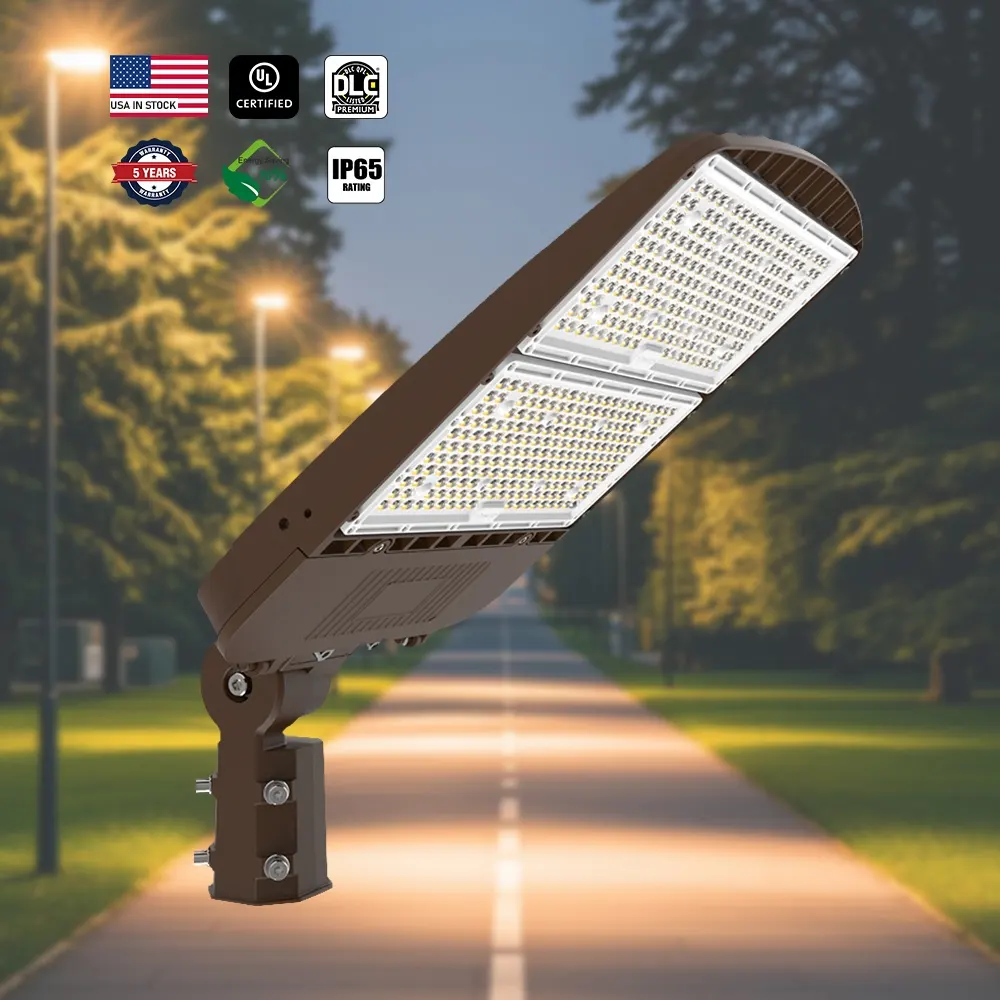
Security in commercial outdoor spaces is a growing concern for property managers, facility operators, and business owners alike. Poor lighting is consistently identified as one of the primary environmental factors that enables unauthorized access, vandalism, and other security incidents after dark. The question of whether a led shoebox light can meaningfully improve security in these environments deserves a thorough, evidence-based answer — and the short answer is yes, but the reasons behind that answer are worth understanding in detail.
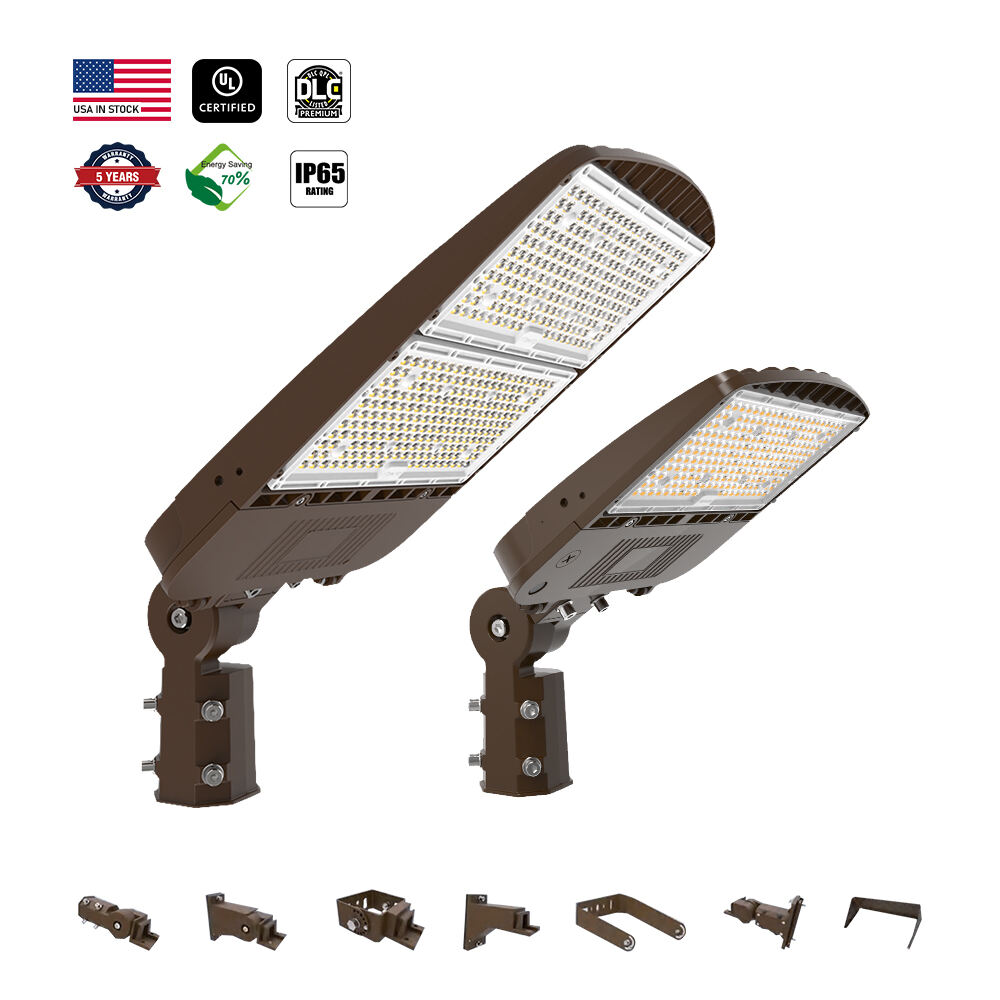
A led shoebox light is a high-output area luminaire designed specifically for large open spaces such as parking lots, loading docks, retail plazas, sports facilities, and commercial campuses. Its distinctive flat, wide-body form factor is engineered to distribute light broadly and evenly across horizontal surfaces, making it one of the most practical and widely adopted solutions for outdoor commercial lighting. Understanding how this fixture type contributes to security requires looking at its optical performance, operational reliability, and integration potential with modern security infrastructure.
The Direct Link Between Lighting Quality and Outdoor Security
How Illumination Levels Affect Deterrence
Security research consistently shows that well-lit environments reduce the likelihood of criminal activity. Potential intruders rely on darkness to avoid detection, and areas with strong, uniform illumination remove that cover. A led shoebox light delivers high lumen output — often ranging from 10,000 to over 30,000 lumens depending on the wattage — which means it can flood large areas with sufficient light to eliminate shadowed zones where threats can go unnoticed.
The deterrence effect is not just psychological. Bright, consistent lighting makes it easier for security personnel, surveillance cameras, and bystanders to identify individuals and activities in real time. When a commercial parking lot or loading area is properly illuminated by a led shoebox light, the visibility conditions become comparable to daytime, which fundamentally changes the risk calculus for anyone considering unauthorized activity.
Uniformity is just as important as raw brightness. A led shoebox light is optically engineered to produce a wide, even beam pattern that minimizes hot spots and dark patches. This even distribution ensures that no corner of a parking lot or perimeter walkway is left underlit, which is critical because security gaps often occur precisely in those transitional zones between pools of light.
Color Temperature and Visual Clarity
The color temperature of a led shoebox light plays a meaningful role in security outcomes. Most commercial-grade led shoebox light fixtures are available in color temperatures between 4000K and 5700K, which produce a cool, white light that closely resembles natural daylight. This spectrum enhances color rendering, meaning that clothing colors, vehicle colors, and facial features are more accurately perceived under this light than under older sodium vapor or metal halide sources.
High color rendering index (CRI) values, typically above 70 and often above 80 in quality led shoebox light products, directly support the effectiveness of video surveillance systems. Cameras capture more usable footage when the light source renders colors accurately, which improves the evidentiary value of recorded incidents and aids in post-event investigations.
For security teams and facility managers, this means that upgrading to a led shoebox light is not just an energy decision — it is a direct investment in the quality of visual information available across the entire outdoor space.
Operational Reliability as a Security Asset
Consistent Performance Over Time
A security lighting system is only as effective as its uptime. One of the most significant advantages of a led shoebox light over legacy lighting technologies is its operational longevity. Quality led shoebox light fixtures are rated for 50,000 hours or more of continuous operation, which translates to many years of reliable service under normal commercial use conditions.
Legacy high-intensity discharge (HID) lamps, including metal halide and high-pressure sodium types, suffer from lumen depreciation over their lifespan. This means that even before a lamp fails completely, it may be delivering significantly less light than its rated output. A led shoebox light maintains a much higher percentage of its initial lumen output throughout its rated life, ensuring that security lighting performance does not quietly degrade between maintenance cycles.
For commercial properties where maintenance access is difficult or costly — such as elevated pole-mounted fixtures in large parking structures — the extended service life of a led shoebox light reduces the frequency of lamp replacements and the associated risk of temporary lighting outages that create security vulnerabilities.
Instant-On Capability and Motion Control
Unlike HID lamps, which require a warm-up period of several minutes before reaching full brightness, a led shoebox light reaches full output instantly when powered on. This characteristic is particularly valuable in security applications where lighting must respond immediately to motion sensor triggers or manual activation by security personnel.
Many led shoebox light fixtures are designed to integrate with occupancy sensors, photocells, and building management systems. This allows facilities to operate the led shoebox light at a reduced output level during low-traffic periods and ramp up to full brightness when motion is detected. This approach not only conserves energy but also creates a dynamic lighting response that can itself serve as a deterrent — sudden increases in light intensity signal to potential intruders that the area is actively monitored.
The combination of instant-on performance and smart control compatibility makes the led shoebox light a genuinely responsive security tool rather than a passive infrastructure element.
Coverage Design for Commercial Security Scenarios
Parking Lots and Vehicle Access Areas
Parking lots represent one of the highest-risk outdoor environments for commercial properties. They are typically large, have multiple entry and exit points, and are used during both daytime and nighttime hours. A led shoebox light mounted on standard pole heights of 20 to 30 feet can cover a substantial area per fixture, and a well-designed layout using multiple led shoebox light units can achieve the uniform illuminance levels recommended by the Illuminating Engineering Society (IES) for parking facility security.
The wide-area beam distribution of a led shoebox light is particularly well suited to parking environments because it minimizes the number of poles required to achieve adequate coverage. Fewer poles mean lower installation costs and a cleaner visual environment, while the optical precision of the led shoebox light ensures that light is directed where it is needed rather than wasted upward as sky glow or sideways as glare onto adjacent properties.
Proper spacing and mounting height calculations are essential to maximizing the security benefit of each led shoebox light installation. Facilities that invest in a photometric layout study before installation consistently achieve better uniformity ratios and fewer dark zones than those that rely on rule-of-thumb spacing.
Perimeter Walkways, Loading Docks, and Entry Points
Beyond parking areas, commercial properties have a range of secondary outdoor spaces that require reliable illumination for security purposes. Loading docks, service entrances, pedestrian walkways, and building perimeters are all areas where a led shoebox light can be deployed to eliminate the shadowed zones that represent security risks.
At loading docks, where deliveries and pickups occur at irregular hours, a led shoebox light provides the visibility needed for staff to safely verify identities, check manifests, and monitor vehicle movements. The high lumen output of a commercial-grade led shoebox light ensures that these activities can be conducted safely even in complete darkness.
For pedestrian walkways and building entries, the led shoebox light can be complemented by lower-mounted wall packs or bollard lights to create layered illumination that addresses both overhead coverage and ground-level visibility. This layered approach, anchored by the broad coverage of the led shoebox light, creates a comprehensive security lighting environment.
Integration with Surveillance and Access Control Systems
Supporting Camera Performance
Modern IP security cameras are sophisticated devices, but their performance is fundamentally constrained by the quality of available light. Even cameras with low-light capabilities produce significantly better image quality when the scene is well illuminated by a consistent, high-CRI source such as a led shoebox light. The stable, flicker-free output of LED technology eliminates the frame-rate interference issues that can occur with older lighting technologies, ensuring that video footage is clean and usable.
When planning a surveillance camera layout for a commercial outdoor space, lighting designers and security integrators increasingly treat the led shoebox light layout as a foundational element of the camera coverage plan. The placement of each led shoebox light fixture directly influences the effective range and image quality of nearby cameras, making coordinated planning between lighting and surveillance systems a best practice for commercial security projects.
Facilities that have upgraded their outdoor lighting to led shoebox light fixtures frequently report improvements in the quality and usability of their surveillance footage, which has practical implications for incident response, insurance claims, and legal proceedings.
Smart Controls and Remote Monitoring
The led shoebox light is increasingly available with integrated smart control capabilities, including wireless dimming, scheduling, fault reporting, and remote monitoring via building management platforms. These features allow facility managers to verify that every led shoebox light in a commercial outdoor space is functioning correctly without requiring physical inspection of each fixture.
Remote fault detection is particularly valuable from a security perspective. A failed or underperforming led shoebox light creates an immediate vulnerability in the lighting coverage of a commercial space. Smart control systems that automatically alert maintenance teams to fixture failures allow those vulnerabilities to be addressed quickly, minimizing the window of reduced security coverage.
The ability to schedule and adjust the output of each led shoebox light remotely also allows security managers to respond dynamically to changing conditions — increasing light levels during special events, adjusting schedules seasonally, or activating full-brightness mode across an entire property in response to a security alert.
Energy Efficiency and Long-Term Security Investment
Reducing Operating Costs Without Compromising Coverage
One of the practical barriers to maintaining high-quality security lighting in commercial outdoor spaces is the operating cost of running high-wattage fixtures continuously. Legacy HID lighting systems consume significant amounts of electricity, and the cost of operating them at full output throughout the night can be substantial for large commercial properties.
A led shoebox light delivers equivalent or superior lumen output at a fraction of the wattage of comparable HID fixtures. A 150-watt led shoebox light, for example, can replace a 400-watt metal halide fixture while delivering comparable or better illuminance levels. This energy reduction directly lowers operating costs, making it financially sustainable to maintain full security lighting coverage throughout the night rather than reducing output or coverage to manage electricity bills.
The financial savings generated by switching to led shoebox light fixtures can be reinvested in additional fixtures to improve coverage, in smart control systems to enhance responsiveness, or in other security infrastructure improvements. The led shoebox light therefore creates a positive feedback loop where energy efficiency enables better security investment.
Lifecycle Cost and Maintenance Reduction
The total cost of ownership of a led shoebox light installation is significantly lower than that of equivalent HID systems when maintenance costs are factored in. Fewer lamp replacements, reduced ballast failures, and lower labor costs for maintenance all contribute to a lower lifecycle cost that makes the led shoebox light a sound long-term investment for commercial security lighting.
For property managers responsible for large commercial campuses with dozens or hundreds of outdoor fixtures, the reduction in maintenance frequency associated with led shoebox light adoption translates directly into fewer periods of reduced lighting coverage. Every lamp replacement cycle that is eliminated is also a potential security vulnerability that is avoided.
When evaluated over a five- to ten-year horizon, the combination of energy savings and maintenance cost reduction typically results in a compelling return on investment for led shoebox light upgrades, even before the security benefits are quantified.
FAQ
What makes a led shoebox light more effective for security than traditional outdoor lighting?
A led shoebox light provides higher lumen output, better color rendering, instant-on capability, and longer operational life compared to traditional HID fixtures. These characteristics combine to deliver more consistent, reliable illumination that supports both visual deterrence and surveillance camera performance in commercial outdoor spaces.
How high should a led shoebox light be mounted for optimal security coverage?
Most commercial led shoebox light installations use mounting heights between 20 and 30 feet, depending on the fixture's lumen output and the required coverage area. A photometric layout study is recommended to determine the optimal mounting height and spacing for a specific site, ensuring uniform illuminance without dark zones.
Can a led shoebox light be integrated with existing security and surveillance systems?
Yes. Many led shoebox light fixtures support integration with motion sensors, photocells, and building management systems via standard control interfaces. Smart-enabled led shoebox light products also offer wireless dimming, scheduling, and remote fault monitoring, which can be coordinated with surveillance and access control platforms for a unified security response.
Is a led shoebox light suitable for all types of commercial outdoor spaces?
A led shoebox light is well suited to large, open commercial outdoor spaces such as parking lots, loading docks, retail plazas, and commercial campuses. For smaller or more confined spaces, complementary fixture types may be used alongside the led shoebox light to achieve complete coverage. The key is to match the fixture's beam distribution and lumen output to the specific geometry and security requirements of each area.
Table of Contents
- The Direct Link Between Lighting Quality and Outdoor Security
- Operational Reliability as a Security Asset
- Coverage Design for Commercial Security Scenarios
- Integration with Surveillance and Access Control Systems
- Energy Efficiency and Long-Term Security Investment
-
FAQ
- What makes a led shoebox light more effective for security than traditional outdoor lighting?
- How high should a led shoebox light be mounted for optimal security coverage?
- Can a led shoebox light be integrated with existing security and surveillance systems?
- Is a led shoebox light suitable for all types of commercial outdoor spaces?