EN
EN



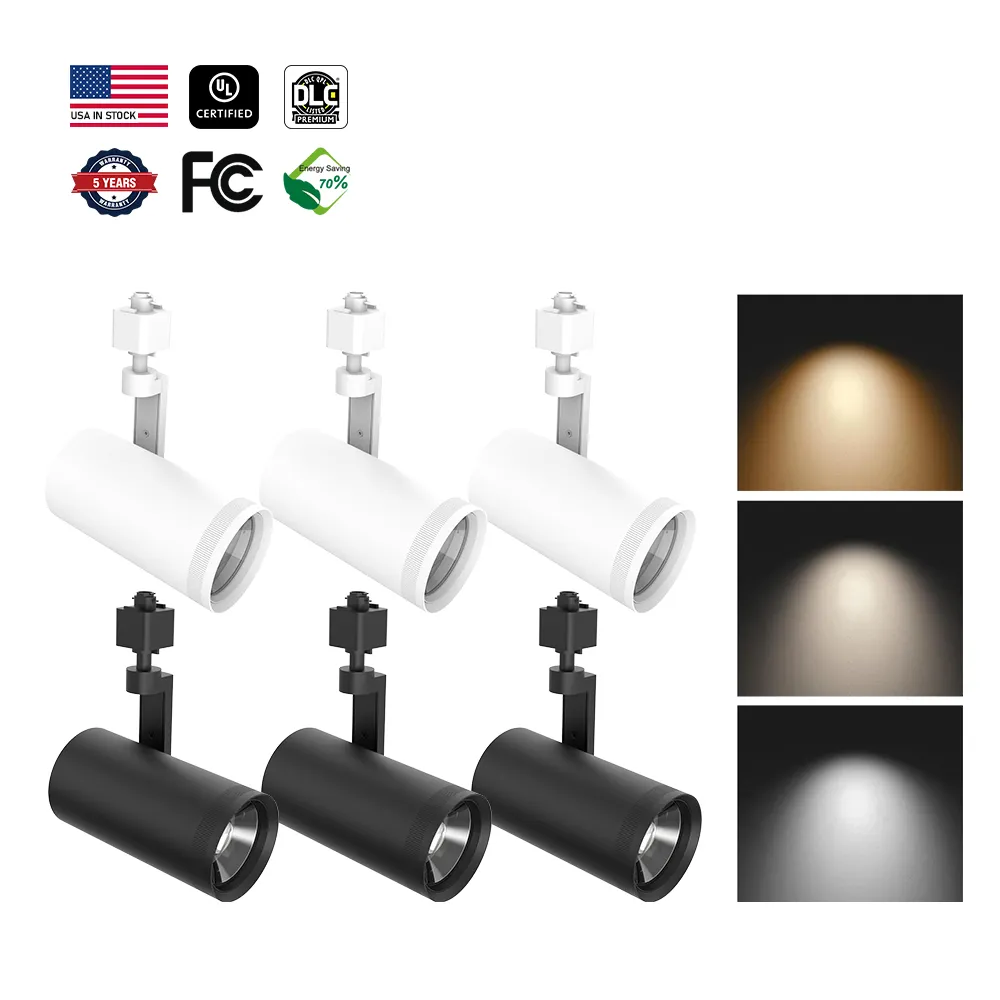
When it comes to commercial displays, the way a product is lit can be just as important as the product itself. A well-positioned track light has the power to transform an ordinary retail shelf or showroom floor into a compelling visual experience. Lighting shapes perception, guides attention, and ultimately influences buying decisions in ways that many business owners underestimate.
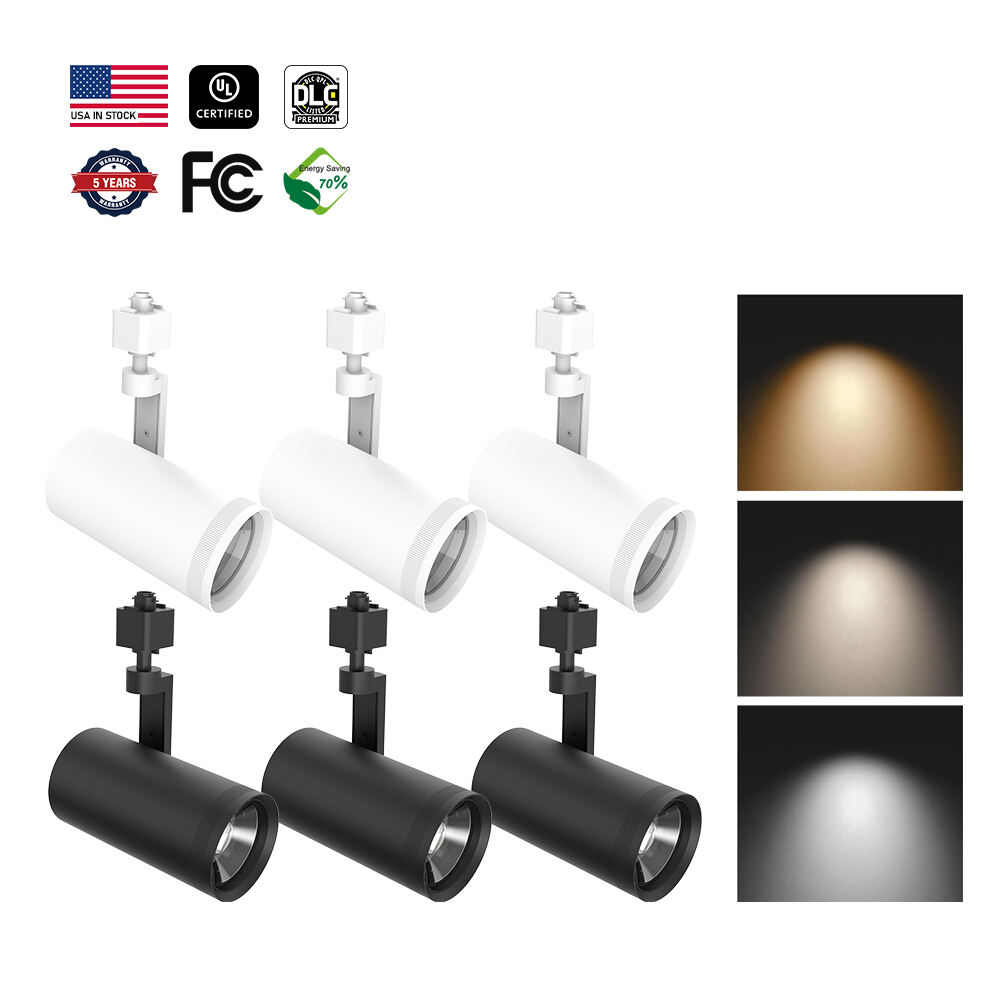
The short answer to whether a track light can enhance product presentation is a definitive yes — but the reasons behind that answer are nuanced and worth exploring in depth. From directional flexibility to color rendering accuracy, the characteristics of a quality track light system align closely with the demands of professional commercial display environments. This article examines how and why track lighting delivers measurable value to businesses that rely on visual merchandising and product showcasing.
The Role of Lighting in Commercial Product Presentation
Why Lighting Quality Affects Buyer Perception
Lighting is one of the most psychologically influential elements in a retail or commercial display environment. Research in visual merchandising consistently shows that customers spend more time looking at products that are well-lit. A track light system allows store operators to direct focused beams precisely onto merchandise, making colors appear more vivid and textures more defined. This level of intentional illumination creates a sense of quality and care that resonates with buyers.
When ambient lighting alone is used, products tend to blend into their surroundings. The contrast created by a well-aimed track light separates a featured item from the background, making it the natural focal point in the viewer's line of sight. For premium or high-value goods, this visual emphasis can significantly elevate the perceived worth of the product. In competitive retail environments, that difference in perceived value can directly impact sales performance.
The psychological impact of proper lighting also extends to the overall shopping experience. Environments where track light systems are thoughtfully deployed feel more curated and professional, which instills greater trust and confidence in the buyer. This trust is particularly valuable in sectors such as jewelry, fashion, electronics, and artisan goods, where the presentation itself is part of the brand story.
The Limitations of Fixed and Ambient Lighting Systems
Traditional ceiling-mounted fixed lighting lacks the ability to adapt to changing display configurations. When merchandise layouts are updated seasonally or during promotional periods, fixed lighting often fails to keep up, leaving new displays underlit or unevenly illuminated. A track light system solves this problem by allowing each luminaire to be repositioned along the rail without any rewiring or structural changes.
Ambient lighting also tends to create flat illumination that treats every surface equally. While this may be functional for general visibility, it does little to draw attention to specific products or highlight unique features such as surface finish, embossing, or material texture. The directional nature of a track light fundamentally changes this dynamic by concentrating light where it delivers the greatest visual impact.
Directional Flexibility and Its Advantages for Displays
Adjustability as a Commercial Advantage
One of the most practical strengths of a track light system in commercial settings is its physical adjustability. Each fixture on the rail can typically be rotated and tilted independently, allowing operators to fine-tune the angle of illumination to suit specific products or display arrangements. This means a single track light installation can serve multiple product categories without requiring any additional infrastructure investment.
For retailers who frequently rotate their product lines or run time-limited promotions, this adaptability translates directly into operational efficiency. Rather than calling in electricians every time the layout changes, staff can simply adjust the track light positions themselves. This flexibility reduces maintenance costs and supports a more dynamic merchandising strategy that keeps displays fresh and engaging over time.
In high-end boutiques, galleries, and showrooms, the ability to precisely angle a track light onto a single object — whether it is a sculpture, a luxury handbag, or an architectural model — creates a spotlight effect that commands attention. This level of control is simply not achievable with recessed downlights or panel-based ceiling systems, making track lighting uniquely suited to environments where presentation quality matters most.
Multi-Zone Illumination Along a Single Rail
A track light rail can accommodate multiple fixtures simultaneously, allowing a single circuit to illuminate several distinct areas or products at different intensity levels. This multi-zone capability is particularly useful in large showrooms or retail floors where different sections serve different purposes — some requiring bright task lighting and others benefiting from a more atmospheric, lower-intensity glow. By selecting track light fixtures with adjustable wattage or pairing dimmable units with compatible controllers, businesses can create layered lighting scenes along a single rail run.
This approach avoids the complexity and cost of installing multiple independent lighting circuits while still achieving a high degree of spatial differentiation. A fashion retailer, for example, might place higher-wattage track light units above a feature wall display and softer units above fitting areas, all running off the same rail system. The result is a cohesive yet visually varied environment that supports both function and atmosphere.
Color Rendering and Its Direct Impact on Product Appeal
Understanding Color Rendering Index in Retail Contexts
Color rendering index, commonly abbreviated as CRI, measures how accurately a light source reveals the true colors of objects compared to natural daylight. For commercial display environments, a high CRI is not a luxury — it is a functional requirement. A track light with a CRI of 90 or above ensures that product colors are represented faithfully, which is critical for categories like clothing, cosmetics, food, and furnishings where color accuracy directly influences purchase decisions.
When customers view a product under low-CRI lighting, they may perceive colors as dull, mismatched, or artificially tinted. This discrepancy between in-store appearance and real-world appearance leads to higher return rates and lower customer satisfaction. By contrast, a high-CRI track light creates a reliable visual environment where customers can trust what they see, reducing purchase hesitation and return likelihood alike.
Modern LED-based track light systems are increasingly capable of delivering CRI values above 95, placing them in the same performance tier as professional photography and gallery lighting. This level of color accuracy is now accessible even in mid-range commercial products, making it feasible for businesses of varying sizes to invest in genuinely high-quality display lighting without prohibitive costs.
Color Temperature Selection for Different Display Environments
Beyond CRI, color temperature plays a significant role in how products are perceived under a track light. Measured in Kelvin, color temperature ranges from warm tones around 2700K to cool daylight tones around 6000K. Warm-toned track light fixtures are often preferred in environments selling food, home decor, or fashion, as they create an inviting and flattering atmosphere. Cooler color temperatures tend to suit electronics, automotive displays, and industrial showrooms, where a crisp and modern aesthetic is desirable.
Selecting the right color temperature for a track light installation requires an understanding of both the product being displayed and the target customer demographic. A jewelry boutique catering to premium buyers might choose a neutral white light around 3500K to balance warmth with clarity, while a contemporary gallery might opt for a cooler 4000K track light to create a clean, professional ambiance. These decisions, while subtle, have measurable effects on the overall atmosphere and the emotional response of customers.
Dimmability and Energy Efficiency in Commercial Use
Dimmable Track Light Systems and Scene Control
Dimmability is a feature that elevates a track light system from a functional lighting tool to a dynamic presentation instrument. By adjusting the output of each fixture, commercial spaces can shift the mood and emphasis of a display depending on the time of day, type of event, or promotional priority. During peak hours, full brightness ensures maximum product visibility. During quieter periods or special events, reduced intensity creates intimacy and exclusivity around featured items.
Modern dimmable track light systems are compatible with smart lighting controllers and building management platforms, enabling automated scene changes based on schedules or occupancy data. This level of integration is particularly valuable for flagship stores, premium showrooms, and hospitality venues where the lighting environment is a conscious extension of the brand identity. The ability to program a track light to shift gradually from a bright daytime setting to a warmer evening ambiance adds a layer of sophistication that flat, static lighting simply cannot replicate.
Energy Efficiency Without Sacrificing Output Quality
LED track light systems offer significant energy savings compared to older halogen or metal halide alternatives, without compromising on light quality or output. High-efficacy LED track light fixtures can deliver strong lumen output at wattages ranging from 10W to 30W, making them suitable for both accent and general display lighting applications. Over extended operating hours typical in commercial environments, the energy savings from switching to LED track lighting can be substantial.
For business owners calculating total cost of ownership, the efficiency of a track light system extends beyond energy bills. LED track light units have significantly longer rated lifespans than traditional sources, reducing the frequency of lamp replacements and the associated labor costs. In high-volume commercial environments where lighting runs for twelve or more hours per day, this extended service life represents a genuine operational advantage that contributes to long-term profitability.
The combination of adjustable wattage options and high luminous efficacy means that a single track light product line can serve both the demand for accent lighting precision and the requirement for broader illumination coverage. Businesses can mix and match fixture wattages along the same rail to create custom lighting solutions tailored to their unique display geometry and product mix.
Application Scenarios Where Track Light Delivers Peak Value
Retail Stores and Boutique Environments
In fashion retail, a track light system serves as both a functional necessity and a brand expression tool. Illuminating clothing racks with accurately color-rendered light ensures that customers see garments as they truly appear. Directional track light fixtures can highlight window displays, feature walls, and new arrival sections without disturbing the overall store ambiance. The result is a layered lighting environment that guides the customer journey through the space in a deliberate, brand-aligned way.
Jewelry stores benefit enormously from track light solutions due to the requirement for intense, focused illumination on small, reflective objects. Precious metals and gemstones need high CRI lighting to display their brilliance, and a well-positioned track light with a narrow beam angle can produce the sparkle effect that is so influential in jewelry purchase decisions. The same logic applies to watchmakers, glassware retailers, and premium accessory brands — anywhere that surface brilliance and fine detail are essential to the product's appeal.
Showrooms, Galleries, and Exhibition Spaces
In automotive and furniture showrooms, track light installations allow operators to maintain consistent, high-quality illumination across large floor areas while retaining the flexibility to spotlight individual pieces. A showroom featuring multiple vehicle models or furniture collections can use track light fixtures to create distinct lighting zones for each section, reinforcing the identity and unique selling proposition of each product category. The ability to adapt the lighting layout as new models arrive is a practical advantage that directly supports the business model of rotating showroom displays.
Art galleries represent perhaps the most demanding application environment for track light systems. Artworks require lighting that accurately renders color, minimizes glare on glazed surfaces, and does not cause UV-related degradation over time. Modern LED track light solutions designed for gallery use address all these criteria, offering high CRI, low UV emission, and precise beam control. This makes the track light one of the most widely adopted lighting formats in professional exhibition contexts globally.
FAQ
Can a track light system be installed in small commercial spaces?
Yes, a track light system is highly scalable and can be configured to suit even compact retail or display environments. Shorter rail lengths and lower-wattage track light fixtures are available specifically for smaller spaces. The key advantage is that even in a limited footprint, the directional and adjustable nature of track lighting allows business owners to achieve focused product illumination that would be difficult to replicate with fixed ceiling lights.
What wattage of track light is appropriate for product display lighting?
The appropriate wattage depends on the ceiling height, the beam angle of the fixture, and the size of the area being lit. For standard commercial ceiling heights between 2.5 and 4 meters, track light fixtures in the range of 15W to 25W are typically effective for accent and product display purposes. Higher ceilings found in showrooms or galleries may require 30W units to maintain sufficient illumination intensity at the product level. Many modern track light systems offer selectable wattage, which adds useful flexibility.
How does a track light compare to recessed downlights for product presentation?
A track light offers significantly greater flexibility compared to recessed downlights because it can be repositioned along the rail without any structural modification. Recessed downlights are fixed in place and cannot easily accommodate changes in display layout. In commercial environments where product arrangements change frequently, the track light system consistently outperforms fixed solutions in terms of adaptability and lighting precision. Recessed lights may still play a role in general ambient lighting, but for focused product presentation, track lighting is the preferred professional choice.
Is a dimmable track light worth the additional investment for retail use?
For most commercial display environments, a dimmable track light is a worthwhile investment. The ability to adjust light intensity allows businesses to shift lighting scenes across different times of day, promotional events, or product categories. This flexibility supports a more dynamic customer experience and reduces the need to install separate lighting circuits for different ambiance requirements. Over the operational lifespan of the installation, the added control that a dimmable track light provides typically justifies its upfront cost through enhanced display impact and operational versatility.