EN
EN



The modern office is no longer designed around the limitations of traditional fluorescent fixtures. Today, the LED flat panel light has become the defining element of contemporary commercial lighting, reshaping how workplaces look, feel, and function. From open-plan floors to private offices, this lighting solution is setting a new standard for efficiency and design quality.
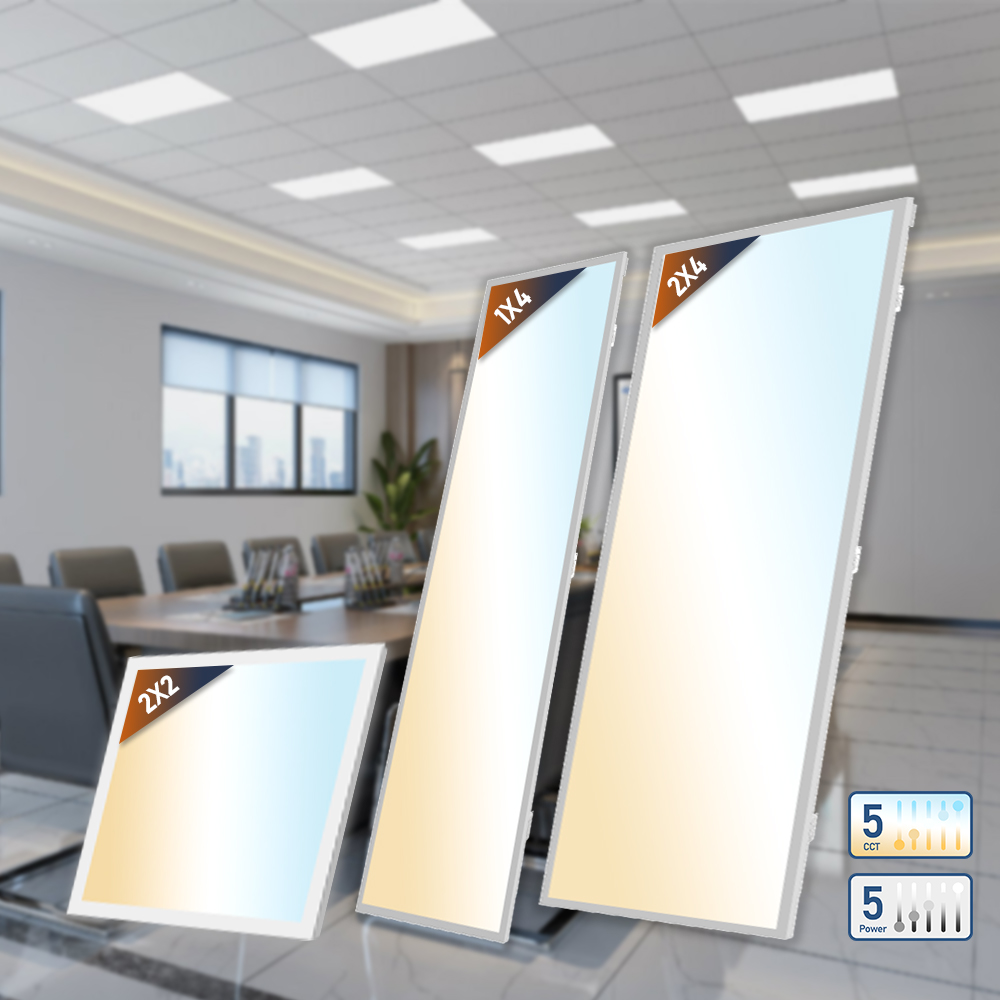
Understanding how an LED flat panel light transforms office lighting design requires looking at three key dimensions: visual quality, energy performance, and architectural integration. Each dimension directly addresses real challenges that facility managers, interior designers, and business owners face when planning or renovating commercial spaces. The LED flat panel light delivers measurable improvements across all three, making it a central choice in modern office upgrades.
Visual Quality and Worker Comfort
Uniform Light Distribution
One of the most impactful qualities of an LED flat panel light is its ability to produce consistently uniform illumination across an entire surface. Unlike older fluorescent troffers that created visible bright spots and dark zones, the LED flat panel light uses a backlit or edge-lit diffuser panel to spread light evenly. This means every desk, workstation, and meeting area receives the same quality of light without harsh contrasts. In offices where visual tasks are constant, uniform lighting directly reduces eye strain and fatigue for workers throughout the day.
The prismatic lens design found in many LED flat panel light models further controls glare by softening the light output before it reaches the eye. Glare is a leading cause of headaches and reduced concentration in office environments. When an LED flat panel light eliminates that glare at the source, workers can maintain focus for longer periods, contributing to measurable gains in productivity. This is not simply a comfort feature — it is a workplace performance factor that facility managers increasingly consider when selecting lighting products.
Color Rendering and Ambience
Color rendering index, commonly referred to as CRI, determines how accurately a light source reveals the true colors of objects and surfaces. A high-CRI LED flat panel light reproduces colors faithfully, which matters in offices where presentations, printed materials, and digital displays need to appear accurate. When an LED flat panel light delivers a CRI of 80 or above, meeting rooms and collaborative areas feel more natural and visually comfortable. This quality also supports brand environments where color accuracy in printed signage and materials must remain consistent.
Energy Efficiency and Operational Savings
Lower Wattage, Higher Output
Energy consumption is one of the primary reasons offices are transitioning to LED flat panel light systems. A standard 2x4 foot LED flat panel light operating at 50 watts typically replaces fluorescent fixtures that consumed 80 to 120 watts for a comparable light output. That reduction in wattage, multiplied across dozens or hundreds of fixtures in a commercial building, results in substantial cuts to monthly electricity costs. The LED flat panel light achieves this efficiency through advanced semiconductor technology that converts electrical energy into light with far less heat waste than older technologies.
Heat management is another area where the LED flat panel light demonstrates clear advantages. Fluorescent lamps release a significant portion of their energy as heat, which adds load to the building's HVAC system during warmer months. Because an LED flat panel light runs much cooler, it reduces that secondary cooling burden, producing additional energy savings that compound over time. For large office campuses or multi-floor commercial buildings, this HVAC interaction makes the LED flat panel light an even more financially attractive investment.
Long Service Life and Reduced Maintenance
An LED flat panel light is engineered to deliver tens of thousands of operating hours before requiring replacement. In practical office terms, this means years of continuous use without the frequent lamp changes that fluorescent fixtures demanded. Reducing replacement frequency lowers both material costs and labor expenses associated with scheduled maintenance. For facilities with high ceilings or suspended drop ceiling grids where lamp access requires ladders or scaffolding, the longevity of an LED flat panel light translates directly into meaningful cost avoidance. Building managers who have made the transition consistently report that maintenance cycles become significantly less disruptive once an LED flat panel light network is in place.
Architectural Integration and Design Flexibility
Seamless Recessed Installation
Modern office interiors demand a clean, minimal aesthetic where functional elements blend into the ceiling plane rather than dominating it. The recessed design of an LED flat panel light is specifically suited to drop ceiling grid systems, allowing the fixture to sit flush with the ceiling tiles. This creates a streamlined visual appearance that supports the open, uncluttered look that contemporary offices pursue. The slim profile of an LED flat panel light also makes it compatible with shallow ceiling voids where older, bulkier fixtures could not fit, giving designers more flexibility when working with existing structures.
Color temperature selection is another design advantage offered by the LED flat panel light category. Office designers can choose cooler temperatures around 5000K for task-intensive areas that benefit from an alert, focused atmosphere, or warmer temperatures around 3500K for reception areas and collaborative lounges where a more welcoming ambience is preferred. This tuning ability means a single LED flat panel light product family can serve diverse zones within the same building, maintaining design consistency while meeting different functional requirements.
Compatibility with Smart Controls
Many LED flat panel light models are compatible with dimming systems, occupancy sensors, and daylight harvesting controls. When an LED flat panel light is connected to an occupancy sensor, it automatically reduces output or switches off in unoccupied areas, saving energy without requiring manual intervention. Daylight harvesting adjusts the LED flat panel light output based on available natural light from windows, maintaining target illumination levels throughout the day while minimizing electricity draw. These smart control integrations position the LED flat panel light as a core component of intelligent building systems rather than simply a passive fixture.
FAQ
What size LED flat panel light is most common for office use?
The 2x4 foot format is the most widely used LED flat panel light size in commercial office environments, as it aligns with standard drop ceiling grid modules. This size provides sufficient coverage for typical workstation layouts and integrates cleanly into most recessed ceiling systems without structural modification.
Can an LED flat panel light replace existing fluorescent troffers directly?
Yes, an LED flat panel light is designed to fit into the same ceiling grid openings used by standard fluorescent troffers, making direct replacement straightforward in most cases. The wiring connections are generally compatible, though it is always recommended to verify the specific fixture dimensions and electrical requirements before installation.
How does an LED flat panel light affect employee wellbeing over time?
Consistent, glare-free illumination from an LED flat panel light reduces the visual fatigue and headaches commonly associated with flickering or uneven fluorescent lighting. Over time, workers in environments lit by an LED flat panel light typically report fewer complaints related to eye discomfort, which contributes to better focus, reduced absenteeism, and improved overall workplace satisfaction.