EN
EN



An LED bollard light is one of the most practical and visually impactful fixtures available for outdoor environments. Whether positioned along a garden walkway, a commercial entrance, or a public park pathway, each LED bollard light delivers focused illumination at ground level where it is needed most. Property managers, landscape architects, and facility planners are increasingly choosing the LED bollard light as their go-to solution for combining safety performance with aesthetic value.
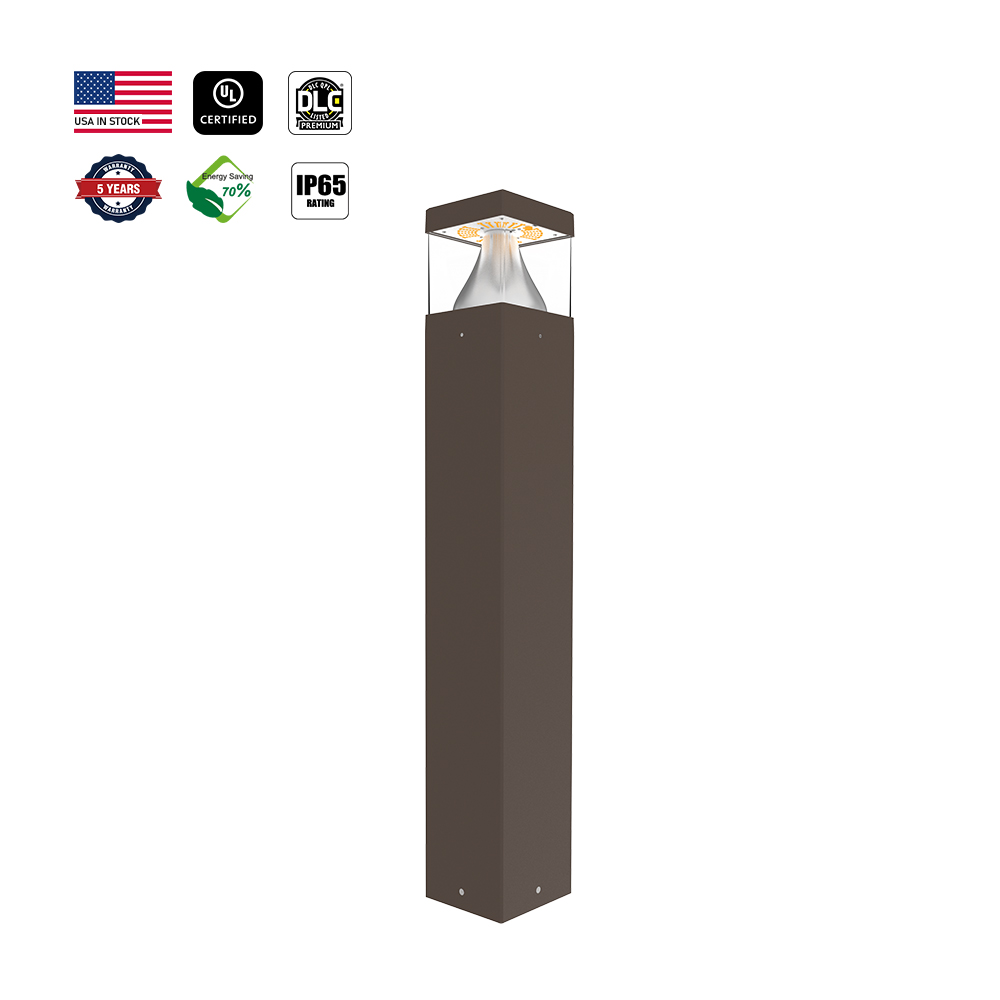
Understanding how an LED bollard light installation actually enhances safety and landscape design requires looking at both its functional and visual roles. A well-placed LED bollard light does far more than simply emit light — it guides foot traffic, defines outdoor spaces, and contributes to a cohesive design language across a property. This article explains the mechanisms behind these dual benefits and provides practical guidance for planning an effective LED bollard light layout.
How an LED Bollard Light Improves Outdoor Safety
Pathway Visibility and Hazard Prevention
The primary safety function of any LED bollard light is to illuminate pedestrian pathways clearly and consistently. Unlike overhead pole lights, an LED bollard light emits light at a low height — typically between 0.6 and 1.2 meters — which places the beam directly at eye level for walking individuals. This low-level illumination reduces shadows on the ground, helping users identify uneven surfaces, steps, curb edges, and other tripping hazards before making contact. In wet or icy conditions, this visibility benefit becomes even more critical for preventing slip-and-fall incidents.
A properly spaced LED bollard light installation also eliminates the dark gaps that often occur between widely separated overhead fixtures. By positioning each LED bollard light at consistent intervals — typically every 3 to 5 meters depending on the beam angle — facility managers can create a continuous ribbon of light along walkways. This uniform coverage is a recognized best practice in outdoor safety lighting design and is especially important for properties with high nighttime pedestrian activity.
Physical Barrier and Traffic Guidance
Beyond illumination, each LED bollard light serves as a physical guide marker that separates pedestrian zones from vehicle access areas. In commercial parking lots, driveways, and loading zones, an LED bollard light visually communicates boundaries to both drivers and pedestrians. When reflective or bright-finish materials are used, a LED bollard light remains visible even at low lighting levels, reinforcing safe navigation for drivers approaching at night. This physical presence is a functional safety layer that goes well beyond what a mounted floodlight or pole light can provide at ground level.
How an LED Bollard Light Shapes Landscape Design
Defining Space and Creating Visual Structure
From a landscape design perspective, the LED bollard light is a powerful tool for organizing outdoor space. A row of evenly spaced LED bollard light fixtures along a garden border instantly creates a sense of order and intention. The vertical form of each LED bollard light draws the eye upward while anchoring the perimeter of a planting bed, lawn edge, or hardscape zone. Designers use this rhythm of repeated LED bollard light placement to lead visitors through a landscape experience, from entrance to destination.
The choice of finish, height, and housing style for an LED bollard light has a significant impact on the overall aesthetic tone. A sleek aluminum LED bollard light with a cool-white output suits contemporary commercial landscapes, while a warmer-toned LED bollard light with a textured housing complements naturalistic garden settings. The versatility of LED bollard light design options makes it easy to match fixtures to an existing architectural language without compromising performance.
Layered Lighting Effects and Nighttime Ambiance
Landscape lighting professionals frequently use the LED bollard light as part of a layered lighting strategy. In this approach, the LED bollard light provides ground-level fill light, while uplights, wall washers, and accent fixtures address higher visual planes. The LED bollard light contributes soft, diffused light that eliminates harsh contrasts at the base of planting beds, tree trunks, and architectural elements. This layered approach using an LED bollard light as the base layer creates depth, warmth, and a professionally composed nighttime environment.
An LED bollard light with an IP65 or higher waterproof rating is essential for outdoor landscape applications where rain, irrigation spray, and seasonal moisture are unavoidable. A weatherproof LED bollard light maintains consistent optical output over time without the lens fogging or fixture corrosion that can degrade cheaper alternatives. Choosing a durable LED bollard light ensures the designed nighttime ambiance remains intact season after season.
Key Factors for an Effective LED Bollard Light Installation
Spacing, Height, and Beam Angle Planning
Effective LED bollard light installation begins with a photometric layout plan. The spacing of each LED bollard light must account for the fixture's beam angle and lumen output to avoid overlighting or dark spots. For a standard residential garden path, an LED bollard light with 14 to 19 watts of output and a wide beam angle typically performs well at 3-meter spacing. For a commercial plaza requiring brighter coverage, a 24-watt LED bollard light with tighter spacing may be more appropriate. Getting this calculation right before installation prevents the need for costly repositioning.
Wiring, Weatherproofing, and Maintenance Access
Each LED bollard light in a planned layout must be connected to a reliable low-voltage or line-voltage circuit appropriate for the fixture specifications. An LED bollard light rated for AC 120–347V provides installation flexibility across a wide range of regional electrical standards. Conduit routing, junction box placement, and ground anchoring should all be planned before the first LED bollard light is installed to ensure a clean, safe result. Regular inspection of each LED bollard light for lens clarity, connection integrity, and housing condition helps maintain both the safety function and visual quality of the installation over its full service life.
FAQ
What wattage LED bollard light is best for garden paths?
A 14W to 19W LED bollard light is generally sufficient for residential garden paths. For commercial walkways or wider plazas, a 24W LED bollard light provides greater coverage and is more appropriate for higher-traffic applications.
How far apart should each LED bollard light be placed?
Spacing for an LED bollard light typically ranges from 3 to 5 meters, depending on the lumen output and beam angle of the specific LED bollard light model. A photometric plan helps determine the optimal spacing for consistent illumination without dark gaps.
Is an LED bollard light suitable for year-round outdoor use?
Yes. An LED bollard light with an IP65 or higher rating is fully weatherproof and designed for year-round outdoor installation. This rating means the LED bollard light is protected against rain, dust, and moisture exposure, making it a reliable choice for all climates.