EN
EN



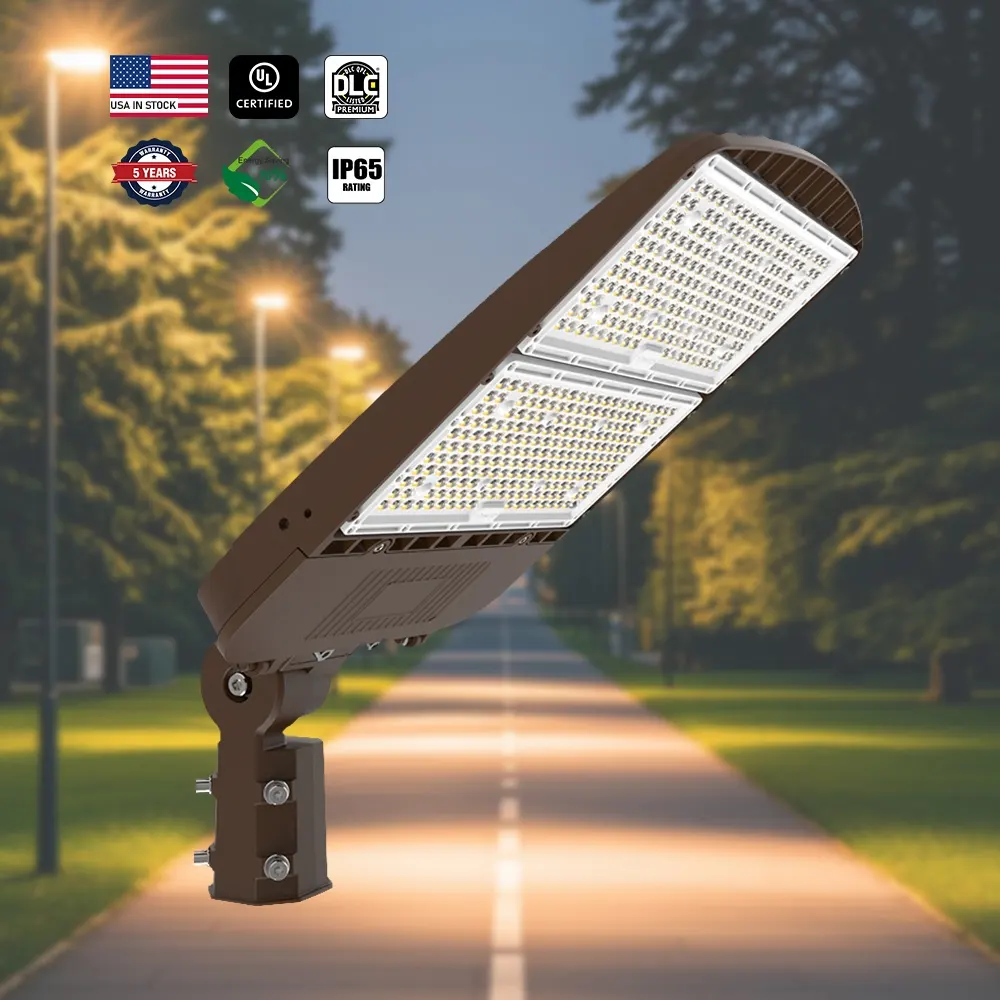
Selecting the right wattage for your led shoebox light requires careful consideration of multiple factors that directly impact lighting performance, energy efficiency, and operational costs. The wattage determines not only the brightness output but also influences the coverage area, mounting height requirements, and long-term electricity consumption of your outdoor lighting installation.
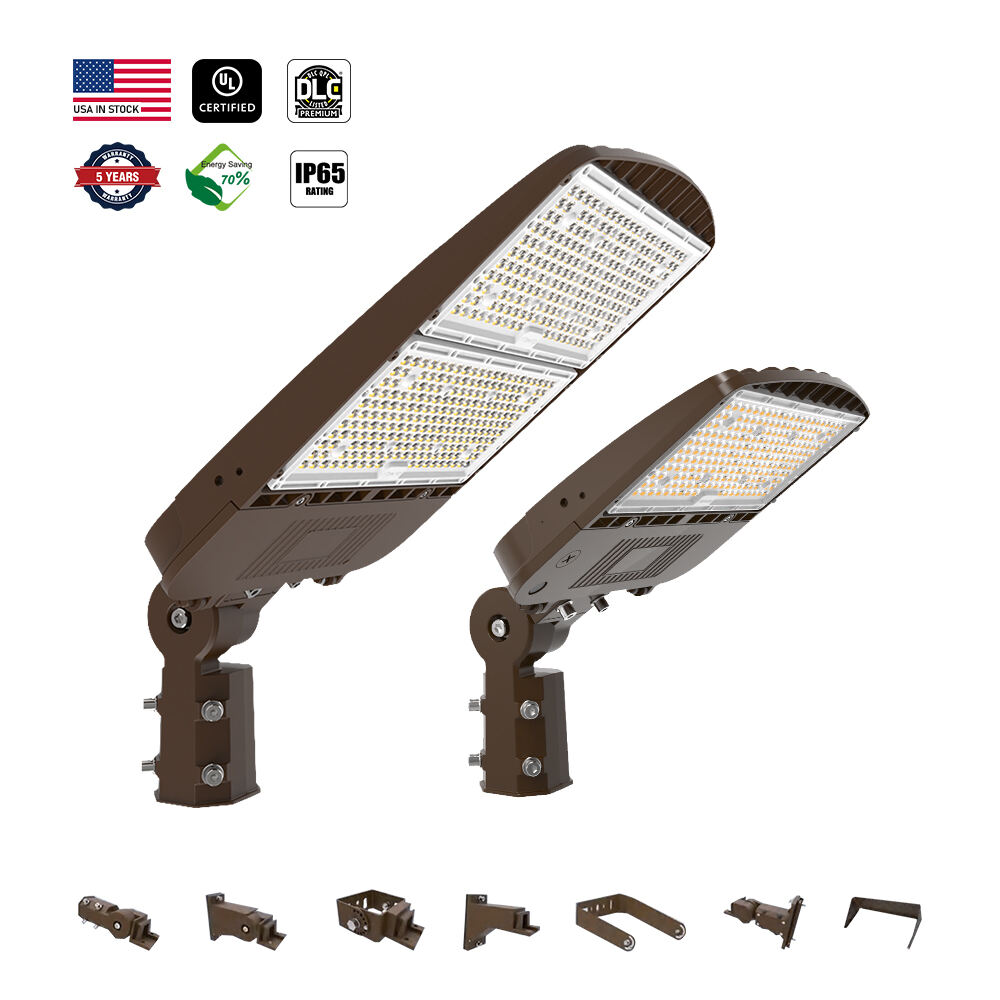
Understanding the relationship between wattage, lumens, and application requirements becomes crucial for making informed decisions that balance performance expectations with energy efficiency goals. This comprehensive guide examines the key factors that influence wattage selection for led shoebox light installations across various commercial, industrial, and municipal applications.
Understanding LED Shoebox Light Wattage Fundamentals
Wattage vs Lumens Relationship
The wattage of an led shoebox light indicates its power consumption, not necessarily its brightness output. Modern led shoebox light technology produces significantly more lumens per watt compared to traditional lighting solutions, making it essential to consider both metrics when evaluating options. A typical led shoebox light efficiency ranges from 100 to 150 lumens per watt, meaning a 100-watt fixture can produce between 10,000 to 15,000 lumens depending on the LED chip quality and driver efficiency.
Higher efficiency ratings in led shoebox light products translate to greater light output for the same power consumption, ultimately reducing operational costs over the fixture's lifespan. When comparing different led shoebox light options, examining the lumens per watt specification provides a more accurate measure of energy efficiency than wattage alone. This efficiency metric becomes particularly important for large-scale installations where energy savings compound significantly over time.
Power Consumption Considerations
The electrical infrastructure of your installation site directly influences the appropriate wattage range for your led shoebox light selection. Existing electrical systems may have capacity limitations that restrict the total wattage load you can safely install without infrastructure upgrades. Additionally, higher wattage led shoebox light fixtures generate more heat, requiring adequate thermal management to maintain optimal performance and longevity.
Understanding your local electricity rates helps calculate the long-term operational costs associated with different wattage options. A led shoebox light consuming 200 watts operating 12 hours daily will use approximately 876 kWh annually, while a 100-watt equivalent using efficient LEDs might produce similar light output while consuming only 438 kWh per year. These consumption differences become substantial when multiplied across multiple fixtures in commercial or municipal installations.
Application-Specific Wattage Requirements
Parking Lot Illumination Standards
Parking lot applications typically require led shoebox light fixtures ranging from 100 to 300 watts depending on the area size, pole height, and security requirements. Standard retail parking lots generally need 1-3 foot-candles of illumination, which can be achieved with 150-200 watt led shoebox light fixtures mounted at 20-25 foot heights with appropriate spacing. High-security areas or 24-hour facilities may require higher wattage options to maintain adequate visibility throughout nighttime hours.
The layout and geometry of parking areas significantly influence wattage selection for led shoebox light installations. Rectangular lots with uniform pole spacing can often use consistent wattage throughout, while irregular shapes or areas with obstacles may require varied wattage to ensure even light distribution. Consider that led shoebox light fixtures with higher wattage provide greater throw distance, potentially reducing the total number of poles required for adequate coverage.
Street and Roadway Lighting
Municipal street lighting applications demand led shoebox light fixtures with wattages typically ranging from 60 to 400 watts based on road classification and traffic volume. Residential streets often require 60-100 watt led shoebox light fixtures, while arterial roads and highways may need 200-400 watt options to meet Department of Transportation illumination standards. The mounting height for street applications usually ranges from 25-40 feet, requiring higher wattage led shoebox light fixtures to maintain ground-level illumination requirements.
Traffic safety considerations often override energy efficiency concerns in roadway led shoebox light selection, making adequate wattage crucial for accident prevention and visibility enhancement. Urban areas with higher ambient light levels may require increased wattage to ensure the led shoebox light installation provides sufficient contrast for safe navigation. Additionally, areas with high pedestrian traffic typically need higher wattage options to illuminate crosswalks and sidewalk areas adequately.
Environmental and Installation Factors
Mounting Height Impact on Wattage Selection
The mounting height of your led shoebox light directly correlates with the required wattage to achieve desired ground-level illumination. Light intensity follows the inverse square law, meaning doubling the mounting height reduces ground illumination to one-quarter of the original level. Therefore, a led shoebox light mounted at 40 feet requires approximately four times the wattage of the same fixture mounted at 20 feet to produce equivalent ground illumination.
Higher mounting positions offer advantages in terms of light distribution uniformity and reduced glare, but they necessitate increased wattage in led shoebox light fixtures to compensate for the greater distance. Pole height selection often depends on site constraints, wind load considerations, and maintenance accessibility, making it important to balance these factors against the wattage requirements of your led shoebox light installation.
Ambient Light Conditions
Existing ambient light levels in the installation area significantly influence the required wattage for effective led shoebox light performance. Urban environments with significant light pollution from surrounding buildings, signage, and traffic require higher wattage led shoebox light fixtures to provide adequate contrast and visibility. Rural or isolated locations with minimal ambient light can often achieve acceptable illumination with lower wattage options.
Seasonal variations in ambient light conditions may also affect wattage requirements for led shoebox light installations. Areas with significant foliage that changes throughout the year may experience varying light penetration, potentially requiring higher wattage during periods when natural light filtration is reduced. Additionally, proximity to reflective surfaces such as light-colored buildings or bodies of water can enhance the effective illumination from lower wattage led shoebox light fixtures.
Economic and Efficiency Considerations
Initial Investment vs Operating Costs
The relationship between led shoebox light wattage and total cost of ownership extends beyond the initial purchase price to encompass long-term energy consumption and maintenance expenses. Higher wattage led shoebox light fixtures typically carry higher upfront costs but may provide better value when the improved performance reduces the total number of fixtures required for adequate coverage. Conversely, using multiple lower wattage led shoebox light units might offer greater flexibility and redundancy while potentially increasing installation complexity.
Energy costs over the typical 10-15 year lifespan of led shoebox light fixtures often exceed the initial purchase price, making efficiency a critical factor in wattage selection. Calculating the total cost of ownership should include electricity consumption, maintenance requirements, and potential rebates or incentives for energy-efficient led shoebox light installations. Many utility companies offer rebates for high-efficiency lighting that can offset the higher initial cost of premium led shoebox light products.
Dimming and Control Options
Modern led shoebox light fixtures often include dimming capabilities that allow wattage adjustment based on actual lighting needs throughout different periods. These systems can automatically reduce power consumption during low-traffic periods while maintaining full brightness when motion sensors detect activity. Selecting led shoebox light fixtures with built-in dimming capabilities provides flexibility to optimize energy consumption without compromising safety or security requirements.
Smart lighting controls can further enhance the efficiency of led shoebox light installations by enabling remote monitoring and adjustment of wattage consumption based on real-time conditions. These systems can automatically adjust led shoebox light output based on ambient light levels, weather conditions, or scheduled requirements, potentially reducing average power consumption by 20-40% compared to fixed-output installations.
FAQ
What is the most common wattage range for LED shoebox lights?
Most commercial and municipal applications use led shoebox light fixtures ranging from 100 to 300 watts. Parking lots typically require 150-200 watts, while street lighting applications may use 60-400 watts depending on road classification and mounting height requirements. The specific wattage should be selected based on illumination requirements, pole height, and spacing between fixtures.
How do I calculate the right wattage for my specific application?
Calculate the required wattage by determining your target foot-candle levels, measuring the coverage area, and considering mounting height. A general rule is that led shoebox light fixtures produce approximately 100-150 lumens per watt, and you need roughly 10-15 lumens per square foot for parking applications. Factor in mounting height using the inverse square law to adjust wattage requirements accordingly.
Can I use higher wattage LED shoebox lights for better coverage?
Yes, higher wattage led shoebox light fixtures provide greater light output and coverage area, potentially reducing the total number of poles required. However, this approach may create uneven illumination with bright spots directly under fixtures and darker areas between poles. Proper lighting design balances fixture wattage with pole spacing to achieve uniform illumination across the entire area.
Do LED shoebox lights with dimming features affect wattage selection?
Dimming capabilities allow you to select higher wattage led shoebox light fixtures while maintaining energy efficiency through reduced power consumption during low-demand periods. This approach provides maximum flexibility, allowing full brightness when needed while automatically reducing wattage during off-peak hours. Consider selecting fixtures with 20-30% higher wattage than baseline requirements when dimming controls are available.