EN
EN



Selecting the right indoor commercial LED lighting system requires careful consideration of multiple technical and operational factors that directly impact energy efficiency, workplace productivity, and long-term operational costs. Modern businesses are increasingly turning to LED technology to replace outdated fluorescent and incandescent systems, driven by significant energy savings and improved light quality. The transition to commercial LED lighting represents more than just a simple fixture replacement—it involves understanding how lighting affects employee performance, customer experience, and overall building operations. Making an informed decision requires evaluating factors such as color temperature, lumen output, fixture design, and installation requirements to ensure optimal results for your specific commercial environment.
Understanding Light Quality and Color Temperature Requirements
Color Temperature Impact on Commercial Environments
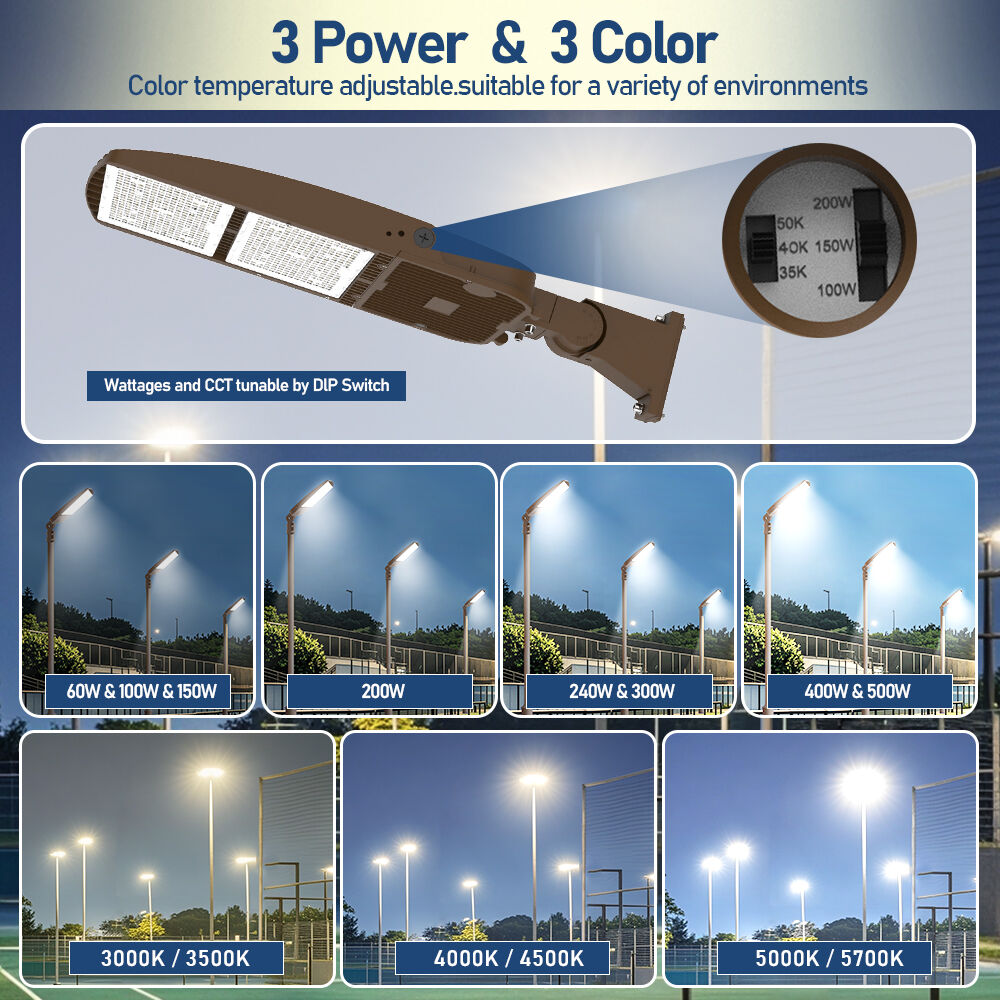
Color temperature, measured in Kelvin, significantly influences the atmosphere and functionality of commercial spaces. Cooler temperatures ranging from 4000K to 5000K provide crisp, daylight-like illumination that enhances focus and productivity in office environments. These higher color temperatures are particularly beneficial in areas requiring detailed work, such as design studios, medical facilities, and manufacturing spaces where precision is critical. The blue-rich light spectrum helps maintain alertness and supports natural circadian rhythms during daytime hours.
Warmer color temperatures between 2700K and 3500K create a more relaxed atmosphere suitable for hospitality venues, retail spaces focused on comfort, and break rooms where employees need to unwind. The selection process should consider the primary activities performed in each area, as different tasks benefit from specific lighting conditions. Many modern commercial LED lighting systems offer color-tunable features, allowing facility managers to adjust temperatures throughout the day to optimize both productivity and comfort.
Lumen Output and Distribution Patterns
Proper lumen output ensures adequate illumination levels while avoiding energy waste from over-lighting. Commercial spaces typically require between 30 to 50 foot-candles for general office work, while specialized areas like conference rooms or retail displays may need higher levels. The distribution pattern of LED fixtures determines how evenly light spreads across the workspace, affecting visual comfort and task performance. Wide distribution patterns work well for general ambient lighting, while narrow beam angles are more suitable for accent lighting or highlighting specific areas.
Understanding the relationship between fixture height, spacing, and light distribution helps achieve uniform illumination without creating harsh shadows or glare spots. Professional lighting calculations should account for room dimensions, ceiling height, surface reflectance values, and furniture layout to determine optimal fixture placement. Advanced LED systems incorporate optical designs that maximize light utilization while minimizing unwanted glare, creating more comfortable working environments that support employee well-being and productivity.
Energy Efficiency and Operating Cost Considerations
Power Consumption and Utility Savings
LED technology delivers exceptional energy efficiency compared to traditional lighting systems, typically consuming 50-80% less electricity than fluorescent or incandescent alternatives. This dramatic reduction in power consumption translates directly to lower utility bills and reduced operational expenses over the fixture's lifespan. Commercial LED lighting systems also generate minimal heat output, reducing cooling loads and further decreasing HVAC operating costs during warmer months. The cumulative energy savings often justify the higher initial investment within 2-3 years of installation.
Smart controls and dimming capabilities enhance energy efficiency by automatically adjusting light levels based on occupancy, daylight availability, or time schedules. These intelligent systems can reduce energy consumption by an additional 20-40% beyond baseline LED efficiency gains. Facility managers should evaluate utility rebate programs and energy incentives that may be available for commercial LED upgrades, as many jurisdictions offer substantial financial support to encourage adoption of energy-efficient lighting technologies.
Maintenance Requirements and Longevity
The extended lifespan of LED fixtures, typically rated for 50,000 to 100,000 hours of operation, significantly reduces maintenance costs and disruptions to business operations. This longevity means most commercial LED lighting installations will operate for 15-20 years under normal usage patterns before requiring replacement. The elimination of frequent bulb changes reduces labor costs, material expenses, and safety risks associated with working at height to access fixtures in commercial buildings.
Quality LED systems maintain consistent light output throughout their operational life, with minimal depreciation compared to fluorescent systems that gradually dim over time. This consistent performance eliminates the need for periodic re-lamping schedules and ensures maintained illumination levels that support productivity and safety standards. When evaluating LED options, consider warranty terms, manufacturer reputation, and component quality to ensure reliable long-term performance that maximizes return on investment.
Installation and Design Flexibility
Fixture Types and Mounting Options
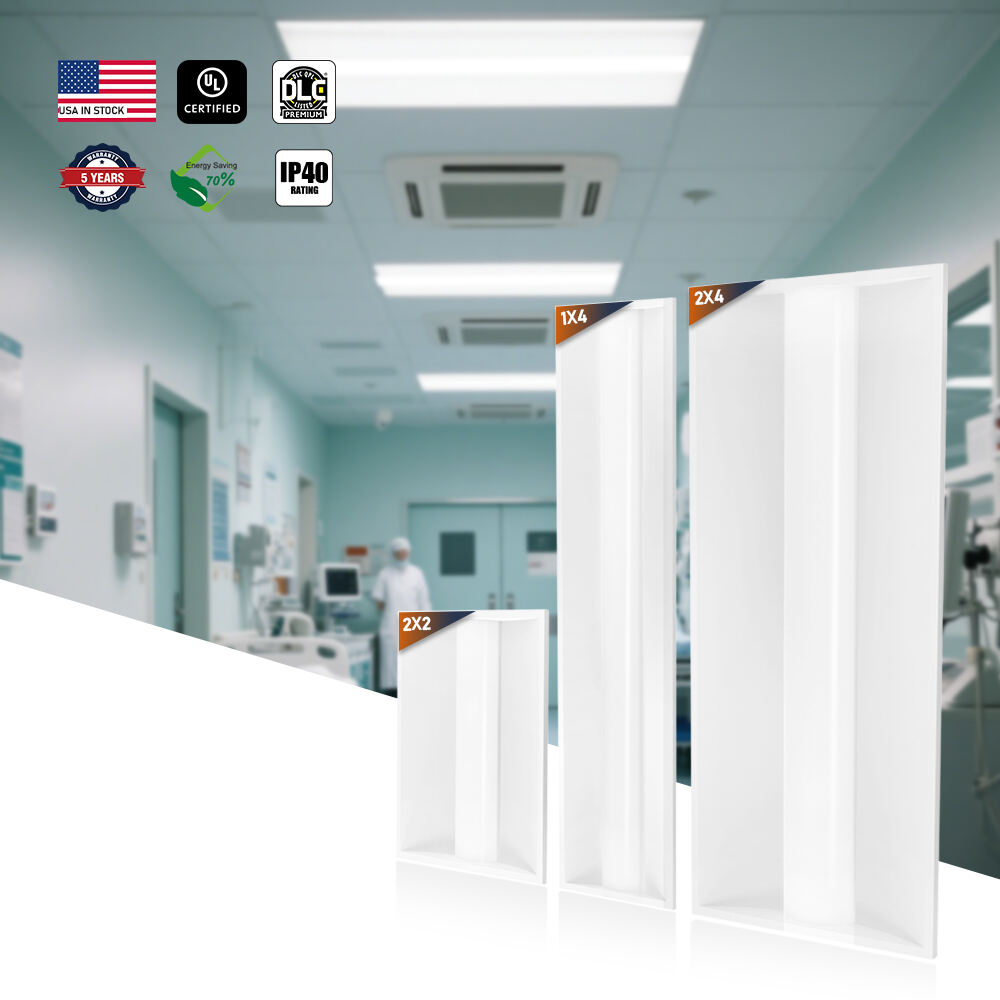
Modern commercial LED lighting offers diverse fixture styles to accommodate various ceiling types, architectural features, and aesthetic preferences. Recessed troffer fixtures integrate seamlessly with drop ceiling systems commonly found in office buildings, providing clean lines and uniform light distribution. Surface-mounted options work well for concrete ceilings or spaces where recessed installation isn't feasible, while pendant fixtures can create visual interest and task-specific lighting zones.
Linear LED systems provide continuous illumination ideal for corridors, retail displays, or industrial applications requiring consistent light coverage across extended areas. The modular nature of many LED systems allows for easy reconfiguration as space layouts change, providing long-term flexibility that supports evolving business needs. Consider future expansion plans and potential layout modifications when selecting fixture types to ensure the lighting system can adapt to organizational changes.
Integration with Building Systems
Advanced commercial LED lighting systems can integrate with building automation systems to provide centralized control, monitoring, and scheduling capabilities. This integration enables sophisticated lighting scenes, energy management protocols, and maintenance alerts that optimize system performance while reducing operational complexity. Compatibility with existing control infrastructure or planned building management upgrades should influence product selection to maximize system capabilities and return on investment.
Wireless control options eliminate the need for extensive rewiring while providing flexible programming and adjustment capabilities. These systems can incorporate occupancy sensors, daylight harvesting features, and time-based scheduling to automatically optimize lighting conditions throughout the day. The ability to monitor energy consumption, track maintenance needs, and adjust settings remotely provides facility managers with powerful tools for ongoing optimization and cost control.
Regulatory Compliance and Safety Standards
Building Codes and Energy Standards
Commercial LED lighting installations must comply with local building codes, energy efficiency standards, and safety regulations that vary by jurisdiction and building type. Many regions have adopted stringent energy codes that mandate specific efficiency levels, control requirements, and installation practices for commercial lighting systems. Understanding these requirements early in the planning process helps ensure compliant installations that avoid costly modifications or delays.
LEED certification requirements and other green building standards often include specific lighting efficiency and control criteria that influence product selection and system design. These standards may require advanced controls, daylight integration, or specific fixture performance characteristics that exceed minimum code requirements. Working with qualified lighting professionals helps navigate complex regulatory landscapes while maximizing opportunities for certification credits and utility incentives.
Safety Considerations and Emergency Lighting
Fire safety codes typically require emergency lighting systems that automatically activate during power outages, providing adequate illumination for safe evacuation. Many LED fixtures can incorporate battery backup systems or connect to central emergency power supplies to meet these requirements. The instant-on capability of LED technology provides immediate full illumination during emergencies, unlike some traditional systems that require warm-up time.
Electrical safety standards govern fixture construction, installation practices, and component specifications to prevent fire hazards and electrical accidents. Quality LED products carry appropriate safety certifications from recognized testing organizations, indicating compliance with industry safety standards. Proper installation by qualified electricians ensures safe operation and compliance with electrical codes, protecting both occupants and property while maintaining insurance coverage validity.
FAQ
How do I determine the right amount of LED lighting for my commercial space?
The appropriate lighting level depends on the specific activities performed in each area, with general office spaces typically requiring 30-50 foot-candles of illumination. Professional lighting calculations consider room dimensions, ceiling height, surface colors, and task requirements to determine optimal fixture quantity and placement. Many LED manufacturers provide online calculators or design services to help specify the correct system for your specific application and ensure uniform light distribution throughout the space.
What warranty and support should I expect from commercial LED lighting systems?
Quality commercial LED lighting systems typically include warranties ranging from 5-10 years, covering both LED components and driver electronics that control fixture operation. Comprehensive warranties should include provisions for lumen maintenance, ensuring light output remains above specified levels throughout the warranty period. Look for manufacturers that provide local support, replacement part availability, and technical assistance to ensure reliable long-term system performance and minimize operational disruptions.
Can existing fluorescent fixtures be converted to LED without major electrical work?
Many existing fluorescent fixtures can accommodate LED retrofit kits that utilize existing wiring and housings while upgrading to LED technology. However, optimal performance often requires removing ballasts and making minor electrical modifications to provide direct power to LED drivers. Complete fixture replacement typically provides better performance, efficiency, and aesthetics compared to retrofit solutions, though the decision depends on budget constraints, existing infrastructure condition, and desired performance outcomes.
How do smart controls enhance commercial LED lighting system performance?
Smart lighting controls can reduce energy consumption by 20-40% beyond baseline LED efficiency through occupancy sensing, daylight harvesting, and automated scheduling capabilities. These systems provide real-time monitoring of energy usage, maintenance needs, and system performance while enabling remote adjustment of lighting levels and scenes. Advanced controls also support demand response programs that can generate additional utility cost savings by reducing lighting loads during peak energy pricing periods.
Table of Contents
- Understanding Light Quality and Color Temperature Requirements
- Energy Efficiency and Operating Cost Considerations
- Installation and Design Flexibility
- Regulatory Compliance and Safety Standards
-
FAQ
- How do I determine the right amount of LED lighting for my commercial space?
- What warranty and support should I expect from commercial LED lighting systems?
- Can existing fluorescent fixtures be converted to LED without major electrical work?
- How do smart controls enhance commercial LED lighting system performance?