EN
EN



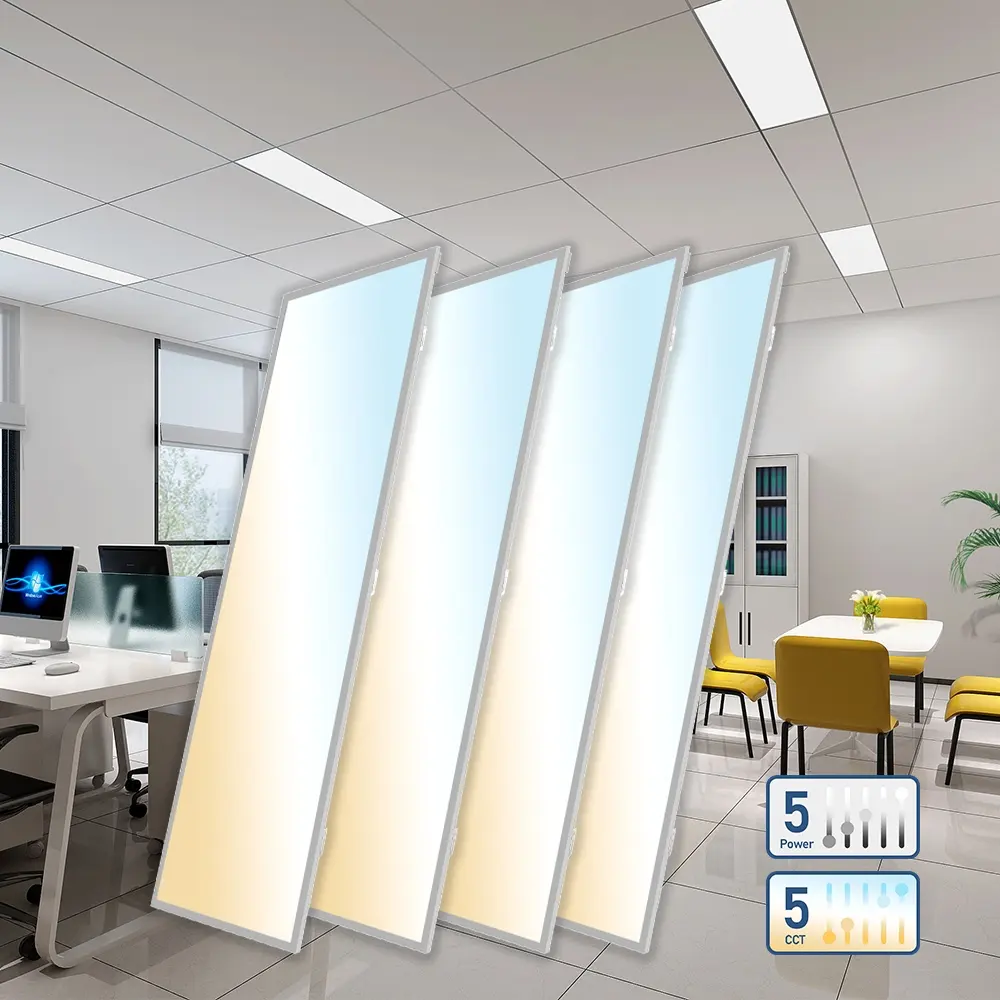
Choosing the right size for an LED flat panel light involves understanding your room dimensions, lighting requirements, and installation constraints. The size of your LED flat panel light directly affects illumination coverage, energy efficiency, and visual aesthetics in your space. Whether you're upgrading commercial offices, retail environments, or residential areas, selecting the appropriate panel size ensures optimal lighting performance and cost-effectiveness.
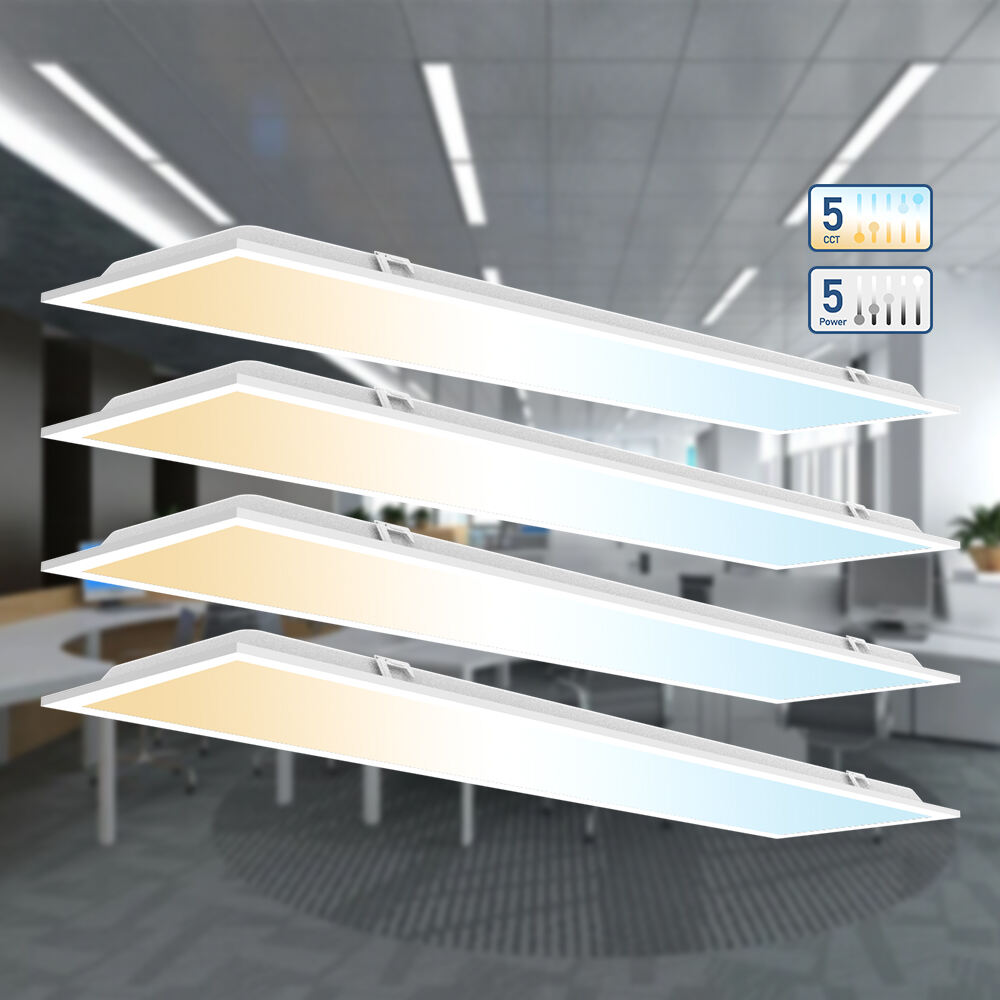
The market offers LED flat panel light options ranging from compact 1x1 foot panels to large 2x4 foot configurations, each designed for specific applications and room types. Understanding the relationship between panel size, light output, and room characteristics helps you make informed decisions that balance functionality with budget considerations. Professional lighting designers recommend calculating your space requirements before selecting panel dimensions to achieve uniform illumination and avoid over-lighting or under-lighting issues.
Room Measurement Fundamentals for LED Panel Selection
Calculating Room Square Footage
Accurate room measurement forms the foundation of LED flat panel light sizing decisions. Multiply your room length by width to determine total square footage, then consider ceiling height as it affects light distribution patterns. Standard 8-foot ceilings require different panel configurations compared to high-ceiling commercial spaces or low-ceiling residential areas.
For rectangular rooms, measure both the longest and shortest dimensions to understand aspect ratios that influence panel placement strategies. L-shaped or irregularly shaped spaces may require multiple LED flat panel light units of varying sizes to achieve consistent illumination across all areas. Document any architectural features like beams, columns, or dropped ceilings that could impact panel installation options.
Ceiling Grid Compatibility Assessment
Most commercial spaces feature suspended ceiling grids with standard dimensions that accommodate specific LED flat panel light sizes. Common grid configurations include 2x2 foot and 2x4 foot openings, which directly determine your available panel size options. Measure your existing grid openings precisely to ensure proper fit and avoid costly modifications.
For spaces without suspended ceilings, surface-mount or recessed installation methods provide flexibility in LED flat panel light sizing. However, structural considerations like joist spacing and electrical access points may limit your panel size choices. Consult building plans or conduct physical measurements to identify installation constraints before finalizing size specifications.
Light Output Requirements by Room Function
Task-Based Illumination Needs
Different room functions demand specific illumination levels measured in foot-candles or lux values. Office environments typically require 30-50 foot-candles for general tasks, while detailed work areas need 75-100 foot-candles. Your LED flat panel light size selection must provide adequate lumen output to meet these professional lighting standards.
Conference rooms, retail spaces, and educational facilities have unique lighting requirements that influence panel sizing decisions. Large 2x4 foot LED flat panel light units deliver higher total lumens compared to smaller 1x4 or 2x2 configurations, making them suitable for spaces requiring intense illumination. Calculate your room's total lumen requirement by multiplying square footage by desired foot-candle levels.
Ambient Lighting Considerations
Ambient lighting creates overall room brightness and affects how LED flat panel light size impacts visual comfort. Larger panels distribute light more evenly across wide areas, reducing harsh shadows and creating pleasant atmospheric conditions. Smaller panels may require closer spacing to achieve comparable ambient lighting effects.
Consider existing natural light sources when determining LED flat panel light size requirements. Rooms with large windows may need fewer or smaller panels during daylight hours, while interior spaces without windows require comprehensive artificial lighting solutions. Dimmable LED flat panel light options provide flexibility to adjust output based on changing ambient conditions throughout the day.
Standard LED Panel Dimensions and Applications
Compact Panel Options
Small LED flat panel light units measuring 1x1 foot or 1x4 foot serve specialized applications where space constraints limit installation options. These compact panels work well in residential kitchens, bathrooms, hallways, and small office areas. Despite their smaller size, modern LED technology enables these panels to produce substantial light output suitable for focused task lighting.
Edge-lit LED flat panel light designs maximize efficiency in compact form factors, delivering uniform illumination across the entire panel surface. Installation flexibility makes small panels ideal for retrofitting existing fixtures or adding supplementary lighting to specific areas. Consider using multiple small panels in linear arrangements to create custom lighting configurations tailored to unique space requirements.
Medium and Large Panel Configurations
The popular 2x2 foot LED flat panel light size offers balanced performance for moderate-sized rooms including offices, classrooms, and retail spaces. This dimension provides substantial light output while fitting standard ceiling grid systems common in commercial construction. Medium-sized panels typically produce 3000-5000 lumens, suitable for general area lighting applications.
Large 2x4 foot led flat panel light units deliver maximum illumination coverage and represent the most common choice for commercial environments. These panels efficiently light large areas with fewer fixtures, reducing installation complexity and maintenance requirements. High-output models produce 6000+ lumens, making them suitable for warehouses, large offices, and industrial facilities requiring bright, uniform lighting.
Installation and Spacing Considerations
Panel Spacing Calculations
Proper spacing between LED flat panel light units ensures uniform illumination without creating bright spots or dark areas. The relationship between panel size and spacing distance affects overall lighting quality and energy efficiency. Larger panels can be spaced further apart while maintaining consistent light levels across the coverage area.
Industry guidelines suggest spacing LED flat panel light fixtures at distances equal to 1.5 times the mounting height for general lighting applications. For example, panels mounted 9 feet above the floor should be spaced approximately 13-14 feet apart. Adjust these calculations based on panel size, with larger units allowing greater spacing distances due to their extended light distribution patterns.
Mounting Height Impact on Size Selection
Ceiling height significantly influences LED flat panel light size requirements and performance characteristics. Low ceilings under 9 feet may benefit from smaller panels to prevent glare and maintain comfortable lighting conditions. High ceilings above 12 feet often require larger LED flat panel light units to deliver adequate illumination to work surfaces below.
Light intensity follows inverse square law principles, meaning illumination decreases rapidly as distance from the source increases. Compensate for high mounting heights by selecting larger LED flat panel light sizes or increasing the number of fixtures to maintain desired lighting levels. Professional lighting calculations help determine optimal panel size and quantity combinations for various ceiling heights.
Budget and Energy Efficiency Factors
Initial Investment Considerations
LED flat panel light pricing varies significantly based on size, with larger panels generally commanding higher purchase prices. However, cost per square foot of coverage often favors larger panels due to economies of scale in manufacturing and reduced installation labor requirements. Evaluate total project costs including fixtures, installation, and long-term operating expenses when comparing size options.
Consider the trade-off between using fewer large LED flat panel light units versus multiple smaller panels to achieve equivalent illumination. While larger panels may have higher individual costs, they often provide better value through reduced installation complexity and improved lighting uniformity. Factor in potential ceiling modifications or electrical work required for different panel size configurations.
Long-Term Operating Efficiency
Energy consumption per lumen varies among LED flat panel light sizes, with larger panels often achieving superior efficacy ratings. Modern large panels can deliver 130-150 lumens per watt, while smaller panels may achieve 100-120 lumens per watt due to design constraints. Higher efficacy translates to lower electricity costs over the fixture's operational lifetime.
Maintenance considerations also influence size selection decisions, as larger LED flat panel light fixtures reduce the total number of units requiring periodic cleaning and eventual replacement. Consolidating lighting into fewer large panels simplifies facility maintenance while potentially extending overall system reliability through reduced component count and connection points.
FAQ
How do I determine the right size LED flat panel light for a 200 square foot office?
For a 200 square foot office, calculate your lighting needs based on 30-50 foot-candles for general office work. This typically requires 6000-10000 total lumens. A single 2x4 foot LED flat panel light producing 6000+ lumens can adequately illuminate this space, or you could use two 2x2 foot panels for more flexible positioning and uniform light distribution.
Can I use multiple small LED flat panel lights instead of one large panel?
Yes, multiple small LED flat panel light units can replace one large panel, but consider installation costs, maintenance complexity, and light uniformity. While small panels offer more flexible positioning options, larger panels typically provide better light distribution and lower total system costs. Evaluate your specific space requirements and budget constraints to determine the optimal approach.
What size LED flat panel light works best for 10-foot high ceilings?
For 10-foot high ceilings, larger LED flat panel light sizes like 2x4 foot panels work effectively as the increased mounting distance allows their light to spread more evenly. The higher mounting position reduces glare concerns while larger panels compensate for light intensity reduction due to increased distance. Space these larger panels 12-15 feet apart for optimal coverage.
Do LED flat panel light sizes affect dimming capabilities?
LED flat panel light size doesn't directly impact dimming capabilities, but larger panels often feature more sophisticated driver circuits that support smoother dimming performance. Most quality LED flat panel lights in all sizes offer dimming compatibility when paired with appropriate dimmer switches. Verify dimming specifications regardless of panel size to ensure compatibility with your lighting control systems.