EN
EN



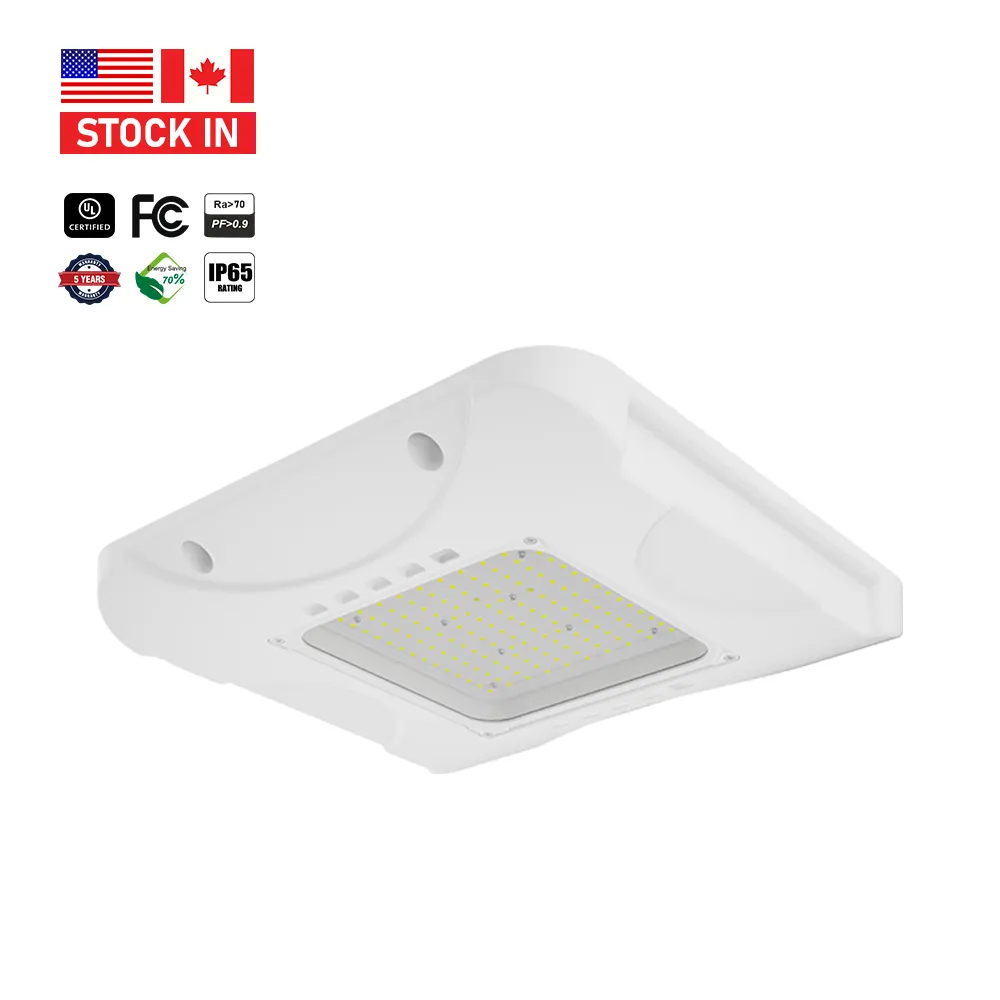
When you pull into a gas station late at night, the first thing that shapes your sense of safety and comfort is the quality of light overhead. A well-designed canopy light is not just a fixture mounted to a ceiling structure — it is a critical operational and safety asset for fuel stations, parking garages, carwash bays, and any outdoor covered structure. Understanding why this type of lighting matters requires looking beyond simple illumination and examining the full scope of business, safety, and compliance needs it addresses.
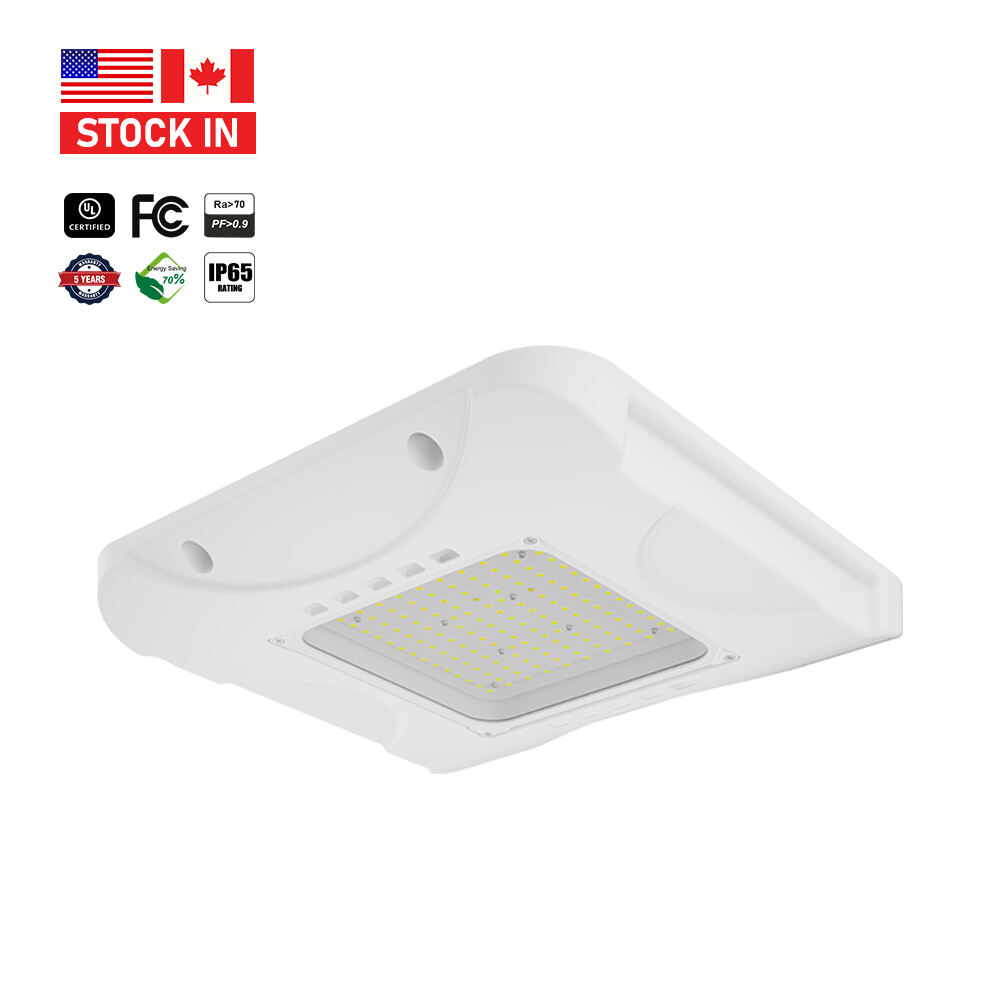
The importance of a high-performance canopy light becomes even more evident when you consider the specific environmental demands of outdoor covered spaces. These environments are exposed to temperature fluctuations, moisture, dust, fuel vapors, and continuous human and vehicle traffic. Choosing the right canopy light solution impacts everything from energy costs and maintenance schedules to customer perception and regulatory compliance. This article explores the core reasons why canopy light selection and performance are so vital for gas stations and similar outdoor covered areas.
Safety and Visibility in High-Risk Environments
Why Uniform Illumination Matters at Fuel Dispensing Areas
A gas station is one of the few commercial environments where poor visibility can directly lead to accidents involving flammable materials. When a canopy light delivers inconsistent or insufficient illumination, dark spots emerge around fuel dispensers, creating zones where spills, leaks, and improper handling are more likely to go unnoticed. Uniform, high-lumen output from a well-positioned canopy light ensures that attendants, customers, and surveillance systems can clearly see every part of the fueling area at all times.
Proper illumination also supports driver safety by helping motorists accurately judge distances and navigate the covered structure without collision risks. A canopy light that provides even distribution across horizontal and vertical surfaces reduces glare, prevents shadowing behind vehicles, and creates a predictable visual environment. This level of consistent output is particularly important during nighttime hours when the entire forecourt depends on the canopy light system.
Modern LED canopy light designs achieve high uniformity ratios by combining optimized optical lenses with strategic fixture spacing. This results in broad, even coverage without hot spots or dark zones — a direct safety improvement over older fluorescent or metal halide systems that degrade rapidly and produce uneven output over time.
Security and Crime Deterrence Through Bright Coverage
Well-lit environments are proven deterrents to criminal activity. A gas station forecourt equipped with a high-quality canopy light system significantly reduces the risk of theft, vandalism, and personal assault. Criminals are less likely to target areas where their actions are clearly visible, and a powerful canopy light ensures that surveillance cameras can capture clear, identifiable footage at all times.
The security benefit of a canopy light extends beyond the immediate fueling area. Light spill from the overhead fixture illuminates adjacent walkways, payment terminals, and entryways — creating a broader zone of security coverage. For gas station operators, investing in a reliable canopy light system is also an investment in loss prevention and liability reduction.
Energy Efficiency and Long-Term Operational Value
How LED Technology Transforms Canopy Light Performance
One of the most compelling reasons canopy light systems have evolved so dramatically in recent years is the adoption of LED technology. A modern LED canopy light consumes significantly less power than legacy fluorescent or HID alternatives while delivering equal or superior lumen output. For a gas station that operates 24 hours a day, seven days a week, this efficiency gain translates into measurable savings on electricity bills across every billing cycle.
LED canopy light fixtures also have a far longer operational lifespan — often exceeding 50,000 hours of rated performance. This extended service life dramatically reduces how often replacements are needed, cutting both the cost of replacement components and the labor expense of maintenance. For operators managing multiple stations or large covered parking structures, scaling these savings across dozens of fixtures makes the financial case for upgrading to LED canopy light systems undeniable.
Beyond raw wattage reduction, many modern canopy light models support dimming functionality and photocell controls. These features allow the system to automatically reduce output during low-traffic periods such as early morning hours, conserving energy without compromising safety. Intelligent canopy light management is increasingly seen as a best practice for operators focused on sustainability and cost control simultaneously.
Return on Investment for Gas Station Operators
The financial return on a quality canopy light upgrade is typically realized within a short payback period. When you factor in reduced electricity consumption, lower maintenance labor costs, fewer lamp replacements, and the avoidance of downtime caused by fixture failures, the overall cost of ownership for a modern canopy light system is substantially lower than legacy alternatives.
Operators upgrading from older metal halide or fluorescent systems to current LED canopy light products often report energy cost reductions of 50 to 70 percent. These are not marginal gains — they represent a significant impact on the operational budget of a high-energy-use facility. Additionally, many utility companies offer rebates for installing energy-efficient lighting, which can further offset the upfront investment in a new canopy light installation.
Durability and Environmental Resilience
Why Outdoor Covered Areas Demand Ruggedized Canopy Light Fixtures
Outdoor covered areas such as gas station forecourts are exposed to a uniquely harsh combination of environmental stressors. A canopy light mounted under a fuel station canopy must withstand direct water ingress from rain and pressure washing, temperature extremes from cold winters to intense summer heat, and continuous exposure to fuel vapors and exhaust gases. These conditions demand fixtures with robust ingress protection ratings — typically IP65 or higher — to prevent moisture and particulate contamination from degrading the light source or driver electronics.
A high-IP-rated canopy light is sealed against dust and directed water jets, ensuring that internal components remain protected even in demanding conditions. This protection is not simply about longevity — it is about consistent performance. A canopy light that is compromised by moisture ingress may produce flickering output or sudden failure, creating the same safety hazards that the lighting system was designed to prevent in the first place.
Impact resistance is another critical durability factor. Gas station canopies experience vibration from large vehicles, occasional physical contact from tall vehicles with inadequate clearance, and mechanical stress from wind. A canopy light housing constructed from die-cast aluminum or reinforced polycarbonate provides the structural resilience needed to survive these forces without compromising optical integrity or electrical safety.
Corrosion Resistance and Low Maintenance in Harsh Conditions
The presence of fuel vapors in and around gas station canopies introduces a corrosive chemical environment that can rapidly degrade inferior fixture materials. A quality canopy light is engineered with corrosion-resistant surface treatments — including powder-coated or anodized aluminum housings — that maintain structural and aesthetic integrity over extended service periods.
Low-maintenance design is another key advantage of purpose-built canopy light systems. Sealed LED modules eliminate the need for periodic lamp changes, and advanced thermal management designs keep junction temperatures within safe operating ranges to prevent premature LED degradation. For operators who manage sites remotely or with limited on-site maintenance staff, a canopy light that reliably operates without frequent intervention is a genuine operational advantage.
Regulatory Compliance and Industry Standards
Meeting Illumination Standards for Commercial Fuel Stations
Gas stations and outdoor covered facilities are subject to illumination standards set by local building codes, national electrical safety organizations, and industry bodies. These standards specify minimum footcandle levels at the fuel dispenser plane, transition zones, and surrounding areas. Selecting a canopy light system that meets or exceeds these thresholds is not optional — it is a legal requirement in most jurisdictions.
Compliance with illumination standards also plays a role in insurance underwriting. Facilities that maintain documented, compliant canopy light installations may qualify for lower liability premiums, as the lighting system directly reduces the risk of customer accidents, vehicle damage, and security incidents. Working with a canopy light solution that carries recognized certifications — such as UL listing, DLC qualification, or CE marking — provides operators with documented evidence of compliance when dealing with inspectors, insurers, and auditors.
Hazardous Location Considerations for Fuel Station Canopies
Certain zones within a gas station forecourt — particularly the areas immediately surrounding fuel dispensers — are classified as hazardous locations under electrical codes such as the NEC in North America. In these zones, the canopy light fixture must either be rated for use in the classified area or positioned outside of the hazardous zone boundary. Understanding the zone classifications around your dispensers is an essential part of specifying the correct canopy light for each mounting position.
Even in non-classified zones under the general canopy structure, using a canopy light with sealed, robust construction is advisable given the proximity to flammable vapors. This proactive approach to safety specification reflects industry best practices and demonstrates a commitment to operational safety that extends beyond minimum code requirements.
Customer Experience and Brand Perception
How Canopy Light Quality Shapes Customer Confidence
For retail fuel stations, the forecourt is the primary customer touchpoint, and lighting quality plays a direct role in shaping perception. A gas station with bright, clean, and consistent canopy light output signals professionalism, cleanliness, and care for customer safety. Drivers making split-second decisions about where to stop are subconsciously influenced by the visual appeal and perceived safety of a well-lit station.
Conversely, a canopy light system that flickers, produces uneven coverage, or emits a dull, yellow-tinted light creates a negative impression that can drive customers toward competing locations. In competitive fuel retail markets, the quality of your canopy light installation is a genuine differentiator that influences customer choice and repeat visits.
Color rendering is an often-overlooked dimension of canopy light quality. High-CRI LED fixtures render colors more accurately, making the forecourt environment look cleaner and more inviting. This matters for branded canopy structures where signage colors and corporate identity elements need to appear vivid and authentic under artificial light conditions.
Canopy Light as a Visual Landmark and Wayfinding Tool
Beyond the immediate forecourt, a well-designed canopy light system serves as a visual beacon that helps drivers identify and locate the gas station from a distance. The brightness and spread of light emanating from under the canopy creates a distinctive visual signature that stands out from surrounding road environments, especially at night or in poor weather conditions.
For stations located in complex interchange areas or alongside major highways, this wayfinding function of the canopy light can have a measurable impact on customer capture rates. A canopy light that provides strong vertical illuminance not only lights the fueling area but also projects a welcoming glow that signals accessibility and operational readiness to approaching drivers.
FAQ
What wattage of canopy light is typically used for gas station applications?
Gas station canopy light fixtures commonly range from 100W to 200W depending on the mounting height, canopy size, and required illumination levels. A 100W LED canopy light is often suitable for standard residential-scale stations with lower ceilings, while 150W or 200W models are preferred for larger commercial forecourts or higher-mounted canopy structures. The key is to select a canopy light with sufficient lumen output and appropriate beam distribution to achieve the required footcandle levels at the fueling plane.
Why is an IP65 rating important for a canopy light at a gas station?
An IP65 rating indicates that the canopy light is fully dust-tight and protected against water jets from any direction. This level of protection is essential for outdoor covered areas where fixtures are regularly exposed to rain, pressure washing during cleaning, and airborne contaminants from vehicle traffic and fuel handling. A canopy light without adequate ingress protection risks moisture infiltration that can cause electrical faults, premature LED failure, and inconsistent output — all of which create both safety hazards and operational disruptions.
Can a canopy light be used for other outdoor covered areas beyond gas stations?
Yes, canopy light fixtures are highly versatile and are widely used in parking garages, carwash facilities, drive-through lanes, loading docks, transit shelters, and commercial building entry overhangs. Any outdoor covered area that requires consistent, weather-resistant overhead illumination is a suitable application for a purpose-built canopy light. The same qualities that make a canopy light ideal for a fuel station — durability, sealed construction, high lumen output, and long lifespan — apply equally well across all of these environments.
How does a canopy light contribute to surveillance system effectiveness?
Modern surveillance cameras require adequate illumination to capture usable footage, and a high-quality canopy light provides the consistent, bright light levels that camera systems need to function effectively. Insufficient or uneven lighting creates shadows and low-contrast zones where individuals and license plates may not be clearly captured. A well-specified canopy light system with good uniformity and appropriate color temperature — typically in the 5000K to 6000K range — ensures that security cameras can deliver clear, detailed imagery across the entire coverage area at all times.